
Fishing etiquette is the quiet set of habits that makes a public fishing spot feel friendly instead of frustrating. You do not need to know every local tradition on day one, but you do need to respect the water, the fish, and the people already enjoying the place.
The good news is that most fishing etiquette is simple common sense. Give other anglers room, keep your area clean, follow the rules posted for that water, and ask before stepping into someone else’s casting lane. Do those things consistently and you will look like a considerate angler even while you are still learning.
Why Fishing Etiquette Matters
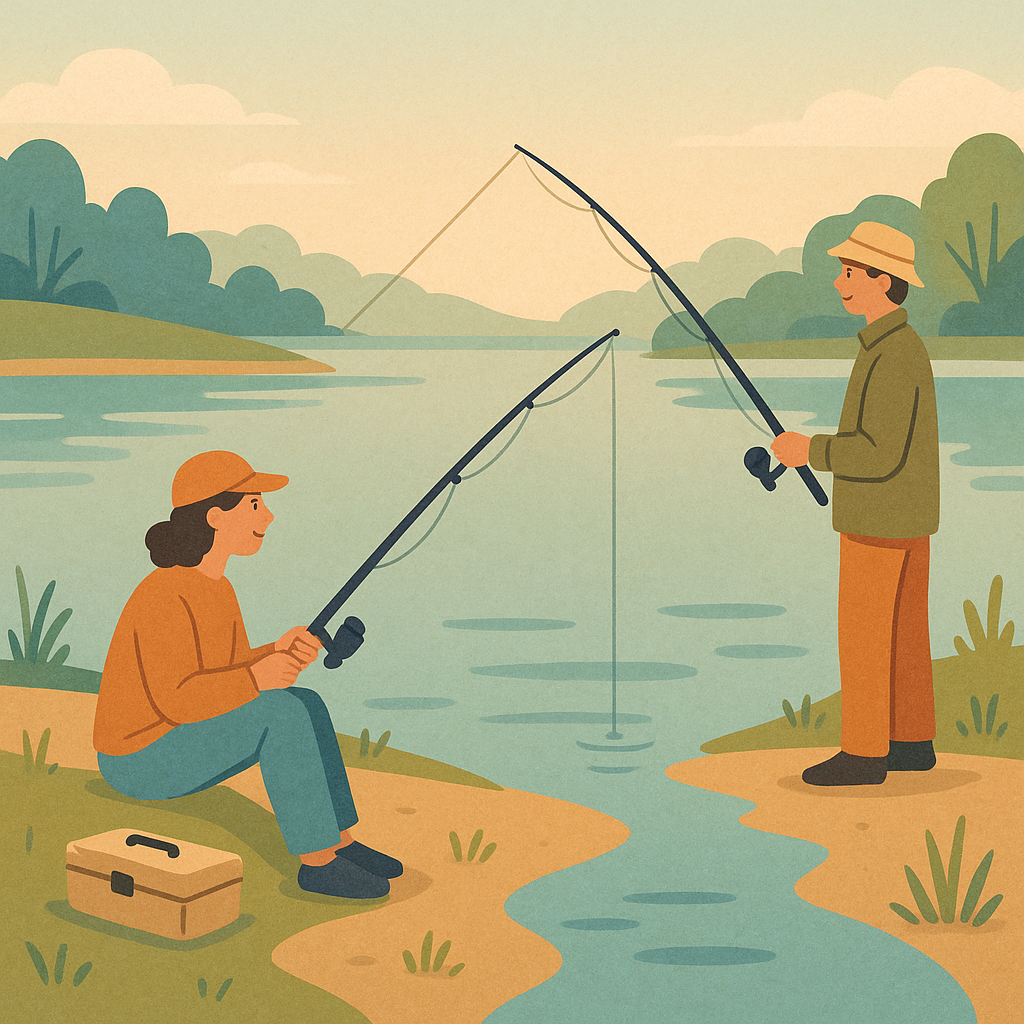
Public ponds, park lakes, rivers, and docks are shared spaces. One person leaving fishing line behind, crowding a bank, or blasting music can spoil the calm for everyone else. Good fishing etiquette protects the place and keeps the day pleasant for families, retirees, solo anglers, and kids learning their first cast.
Etiquette also connects directly to conservation. The National Park Service reminds anglers to know local regulations, dispose of unwanted bait properly, pack out trash, and avoid leaving fishing line where birds and wildlife can become entangled. Their responsible fishing guidance is a helpful source when you want a bigger-picture view of why small choices matter.
Give Other Anglers Room
Space is the first thing people notice. If someone is already fishing a stretch of bank, a dock corner, or a current seam, do not squeeze in right beside them unless the area is clearly designed for close fishing, such as a crowded pier or community event.
How Much Space Is Enough?
There is no perfect number because every spot is different. A good beginner rule is to stay far enough away that your cast cannot cross their line, your bobber cannot drift into their area, and your conversation does not become part of their afternoon.
- Look before you walk in: notice where lines are landing before choosing your spot.
- Ask if you are unsure: a simple “Mind if I fish over here?” goes a long way.
- Avoid casting over someone: crossing lines creates tangles and tension fast.
- Respect the first angler there: if a spot is too tight, find another angle instead of forcing it.
If choosing a location still feels confusing, ReelHow’s guide on how to choose a fishing spot when time is short can help you find backup options before you leave home. Having a second spot in mind makes it easier to avoid crowding someone else.
Keep Noise and Movement Friendly
Fishing does not require complete silence, but sudden noise can bother nearby people and sometimes spook fish in shallow water. Keep music low or use headphones, speak at a normal volume, and avoid stomping on docks or tossing gear around.
Think Like a Guest at the Water
You are sharing the shoreline with people who may be relaxing, teaching a child, watching wildlife, or enjoying their one quiet hour of the week. Friendly greetings are welcome. Loud arguments, constant shouting, and careless movement are not.
Follow Posted Rules Before You Cast
Etiquette starts with the rules. Check signs, license requirements, bait restrictions, size limits, and keep limits before fishing. A rule that seems minor can protect stocked fish, spawning areas, wildlife, or access for everyone who uses that water.
For beginners, this habit removes guesswork. If a sign says no live bait, do not use live bait. If a park closes at dusk, pack up before dusk. If a dock has a line limit, follow it even if nobody appears to be watching.
ReelHow has a separate guide to fishing license requirements that explains the basic idea in plain language. Use it as a starting point, then confirm current rules with your state or local fish and wildlife agency before the trip.
Leave the Spot Cleaner Than You Found It
Nothing ruins a public fishing area faster than old bait containers, snack wrappers, hooks, and discarded line. Bring a small trash bag even for short trips. If you clip line, put the pieces in your pocket or tackle box until you can throw them away properly.
Fishing line deserves special care because birds, turtles, and other wildlife can get tangled in it. Some popular spots have monofilament recycling tubes. If you see one, use it. If not, pack the line out with you.
- Pick up your own trash first: bait cups, food wrappers, line clippings, and packaging all leave with you.
- Secure loose hooks: never leave hooks where people, pets, or wildlife can step on them.
- Dispose of bait responsibly: do not dump live minnows or organisms into a new water body.
- Take one extra item: if it is safe, carrying out one piece of old trash helps the next angler.
Handle Fish With Respect
Whether you keep a legal fish for dinner or release it, handle the catch calmly. Wet your hands before touching a fish, keep it close to the water or over a net, and avoid squeezing. If you plan to release it, work quickly so the fish can swim away strong.
Respectful handling is part of being welcome around other anglers. People notice when someone tosses fish on dry ground, leaves them in the sun, or struggles too long for a photo. If you want more detail, read ReelHow’s catch and release best practices before your next trip.
Be Helpful Without Taking Over
Fishing folks often like to help, but there is a difference between friendly advice and taking control of someone’s day. If another beginner is struggling, ask before offering help. If they say no thanks, smile and let them fish.
The same applies when someone catches a fish. Congratulate them, give them room, and do not crowd in for a look unless invited. A quick “Nice fish!” is almost always enough.
Pros and Cons of Good Fishing Etiquette
More Relaxed Trips
When everyone gives space and keeps noise reasonable, the water feels calmer and more welcoming.
Better Access for Everyone
Clean banks, respectful behavior, and rule-following help public spots stay open and enjoyable.
Beginner Confidence
Knowing the basic manners removes anxiety when you arrive at a dock, pond, or busy shoreline.
Not Every Spot Is Clear
Crowded piers, narrow banks, and local customs can make spacing harder to judge at first.
Rules Can Change
Licenses, seasons, bait rules, and posted restrictions can vary by water, so checking ahead takes a little time.
A Simple Etiquette Checklist for Beginners
- Arrive slowly: look at where others are casting before setting up.
- Ask politely: when space is tight, a friendly question prevents awkwardness.
- Keep sound reasonable: low voices and quiet gear handling fit most public fishing spots.
- Control your line: avoid drifting across other anglers or leaving loose line behind.
- Follow the signs: posted rules matter even when the spot looks casual.
- Pack out everything: trash, bait containers, line pieces, and hooks leave with you.
- Handle fish gently: wet hands, quick photos, and careful releases show respect for the catch.
Frequently Asked Questions
Can I fish next to someone if the bank is crowded?
Sometimes, especially on public piers or designated fishing areas. Ask first, leave as much casting room as possible, and avoid crossing lines.
Is it rude to ask another angler what they are using?
Not if you ask politely and accept a short answer. Some people enjoy sharing tips, while others prefer to keep fishing quietly.
What should I do if someone casts over my line?
Stay calm. Mention it politely, reel in if needed, and give both lines room to separate. Most tangles are mistakes, not insults.
Should I pick up trash that is not mine?
If it is safe, taking one or two extra pieces of trash out is a kind habit. Do not handle sharp hooks, unknown containers, or anything unsafe without proper protection.
Final Thoughts
Fishing etiquette is not about acting fancy or knowing secret rules. It is about being the kind of angler other people are glad to share water with.
Give room, keep calm, clean up, follow the rules, and treat fish with care. Those simple habits make every dock, pond, and shoreline better for the next person who walks up with a rod and a little hope.