
A half day fishing trip should feel like a pleasant break, not a military operation. You are not trying to pack for a week in the wilderness. You are simply giving yourself a few comfortable hours near the water with the right basics, a simple plan, and permission to keep things easy.
The trick is to decide what kind of trip you want before you start loading gear. For most beginners, especially adults who want a calm morning or afternoon outside, the best plan is one nearby spot, one simple setup, a small snack, sun protection, and a clear time to head home. That keeps the day relaxed even if the fish are in a stubborn mood.
Start Your Half Day Fishing Trip With One Clear Goal
Before you choose bait or check the weather, ask one friendly question: what would make this outing feel worthwhile? Maybe you want to catch a bluegill with a grandchild, practice casting from the bank, try a new pond for one hour, or simply sit by the water with a rod in hand.
That goal shapes the whole plan. If the goal is relaxation, do not drive two hours to unfamiliar water. If the goal is teaching a child, choose a spot with restrooms, shade, and easy bank access. If the goal is testing a lure, bring that lure and a backup bobber rig instead of the whole garage.
Keep the Target Small
A half-day window is usually three to five hours including travel, setup, fishing, snacks, and cleanup. That sounds like plenty, but it disappears quickly if you make too many stops or try to fish every corner of a lake. Pick one main plan and one backup, then let the day breathe.
- For a calm solo trip: choose a familiar bank, dock, or pond where parking is easy.
- For family time: choose comfort first, with shade, seating, and short walks.
- For learning: focus on one skill, such as casting, bobber depth, or reading the bank.
- For catching action: target beginner-friendly panfish with worms, small hooks, and a bobber.
Choose One Spot and One Backup
The fastest way to add stress is to spend half the trip driving around looking for the perfect place. Instead, choose your main spot the night before. Look for easy parking, legal access, safe footing, and a simple place to cast without branches behind you.
If you only have a short window, ReelHow’s guide on how to choose a fishing spot when time is short pairs nicely with this plan. Use it to narrow your options before you leave home, not after you are already burning daylight.
Make the Backup Easier, Not Fancier
Your backup spot should be close and simple. It might be another dock at the same lake, a nearby pond, or a different bank access point. The backup is not there to chase rumors. It is there in case the first spot is crowded, muddy, closed, too windy, or simply uncomfortable.
Pack Light, But Do Not Skip the Essentials
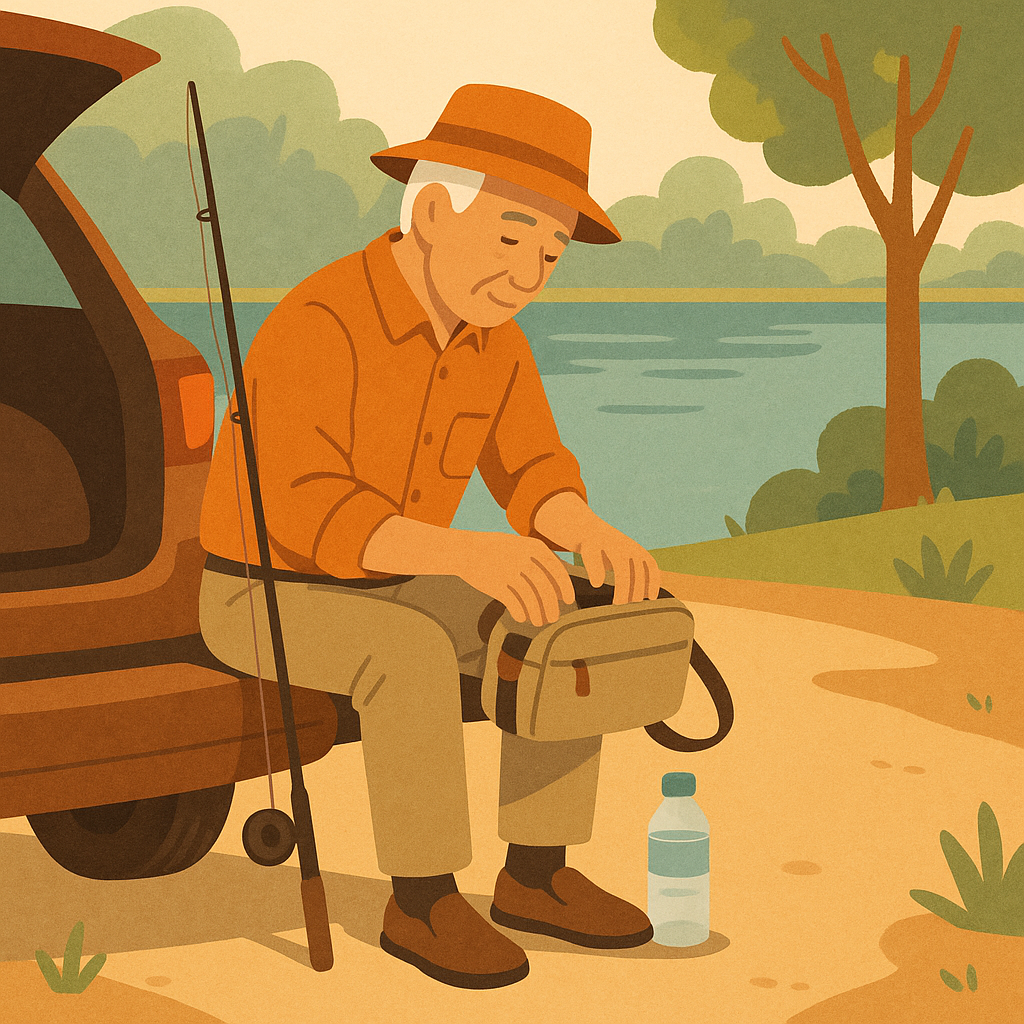
For a short freshwater outing, simple gear wins. Bring one rod and reel, a small tackle box, hooks, bobbers, split shot, bait or a couple of easy lures, pliers, a small towel, water, snacks, sunscreen, and your license if required. Add a folding chair if standing for long periods bothers your back or knees.
If you want a deeper packing list, review ReelHow’s guide to essential fishing gear for your first trip before building your own short-trip kit. For a half day, the goal is not to bring everything. The goal is to bring the few things that prevent small problems from ending the outing early.
- Small tackle box: a handful of hooks, bobbers, split shot, swivels, and one or two proven lures.
- Comfort items: water, a snack, hat, sunglasses, sunscreen, bug spray, and any personal medication.
- Safety tools: needle-nose pliers, bandages, phone, and shoes with good grip.
- Cleanup items: a trash bag, hand wipes, and a place to store clipped line until you can throw it away.
Check Weather, Rules, and Safety Before You Leave
Short trips still need basic safety checks. The National Park Service reminds anglers to plan before they go, bring the right gear, check the forecast, protect themselves from sun, handle hooks carefully, fish only where permitted, and pay attention to water hazards. Their fishing safety guidance is worth reviewing if you are building a simple pre-trip habit.
Do not turn this into a long research project. Check the forecast, confirm the area is open, make sure you understand local fishing rules, and know whether you need a current license. If thunder is in the forecast, the bank is flooded, or the wind makes casting unsafe, choose another time.
For a broader safety refresher, ReelHow’s fishing safety tips cover many of the same beginner concerns in plain language. Read them once, then turn the important points into your own short checklist.
Use a Simple Half-Day Timeline
A timeline keeps you from rushing at the start and dragging at the end. It also helps beginners avoid the common mistake of arriving late, spending too long setting up, and then leaving in a hurry with tangled gear.
Example Morning Plan
- 7:00: leave home with gear already packed and license confirmed.
- 7:30: arrive, look at wind, shade, other anglers, and safe walking paths.
- 7:45: set up one rod and make a few careful casts.
- 8:30: adjust depth, bait, or location only if there is a clear reason.
- 9:30: take a short break, drink water, and enjoy the view.
- 10:30: start winding down, pick up trash, and pack without rushing.
- 11:00: head home while the trip still feels pleasant.
The exact times do not matter. What matters is giving yourself a beginning, middle, and end. A half-day fishing trip works best when you leave with energy left for the next one.
Do Not Overcorrect Every Quiet Minute
Beginners often feel they must change something whenever fish do not bite right away. That can lead to constant retying, switching bait, moving spots, and second-guessing. On a short trip, patience is part of the plan.
Give a good-looking spot enough time to show signs of life. Watch the bobber, notice small taps, look for shade lines, and pay attention to wind pushing food toward the bank. If nothing happens after a fair try, make one thoughtful adjustment instead of changing everything at once.
Pros and Cons of a Half-Day Fishing Trip
Easy to Fit Into Real Life
You can fish in the morning or afternoon without giving up the whole day or exhausting yourself.
Beginner Friendly
A shorter trip makes it easier to focus on one skill, one spot, and one simple setup.
Less Gear Pressure
You can pack light and still have enough tackle, comfort items, and safety basics for a good outing.
Less Time to Experiment
If the fish are slow, you may not have time to test several spots, depths, or techniques.
Planning Matters More
A forgotten license, empty bait cup, or long drive can eat up a bigger share of the trip.
Know When to Call It a Good Day
A short fishing trip does not need a dramatic ending. If you learned one thing, enjoyed the water, stayed safe, and packed up cleanly, that is a good day. If you caught a fish, even better. If not, you still gathered useful information for next time.
Before you leave, take thirty seconds to notice what worked. Was the shade comfortable? Was the walk too far? Did you bring too much gear or not enough water? Those small notes make the next half day fishing trip easier and more enjoyable.
Frequently Asked Questions
How long should a half-day fishing trip be?
For most beginners, three to five hours including travel, setup, fishing, and cleanup is plenty. It gives you time to relax without turning the outing into an all-day commitment.
What should I pack for a short fishing trip?
Bring one rod, a small tackle box, bait or a few simple lures, pliers, water, snacks, sun protection, a trash bag, and any license or permit required for that water.
Should I try a brand-new lake on a half-day trip?
You can, but keep expectations gentle. For a relaxed short trip, familiar or easy-access water usually beats a long drive to a place you do not know yet.
What if I do not catch anything?
That happens to every angler. Notice what you learned about the spot, weather, depth, or bait, then use that information to make the next trip smoother.
Final Thoughts
A half day fishing trip is one of the nicest ways to keep fishing simple. Pick a nearby spot, pack lightly, check the basics, and give yourself a calm window by the water.
When the plan is simple, the pressure drops. You can enjoy the birds, the breeze, the small lessons, and maybe the tug of a fish on the line. That is more than enough reason to go.