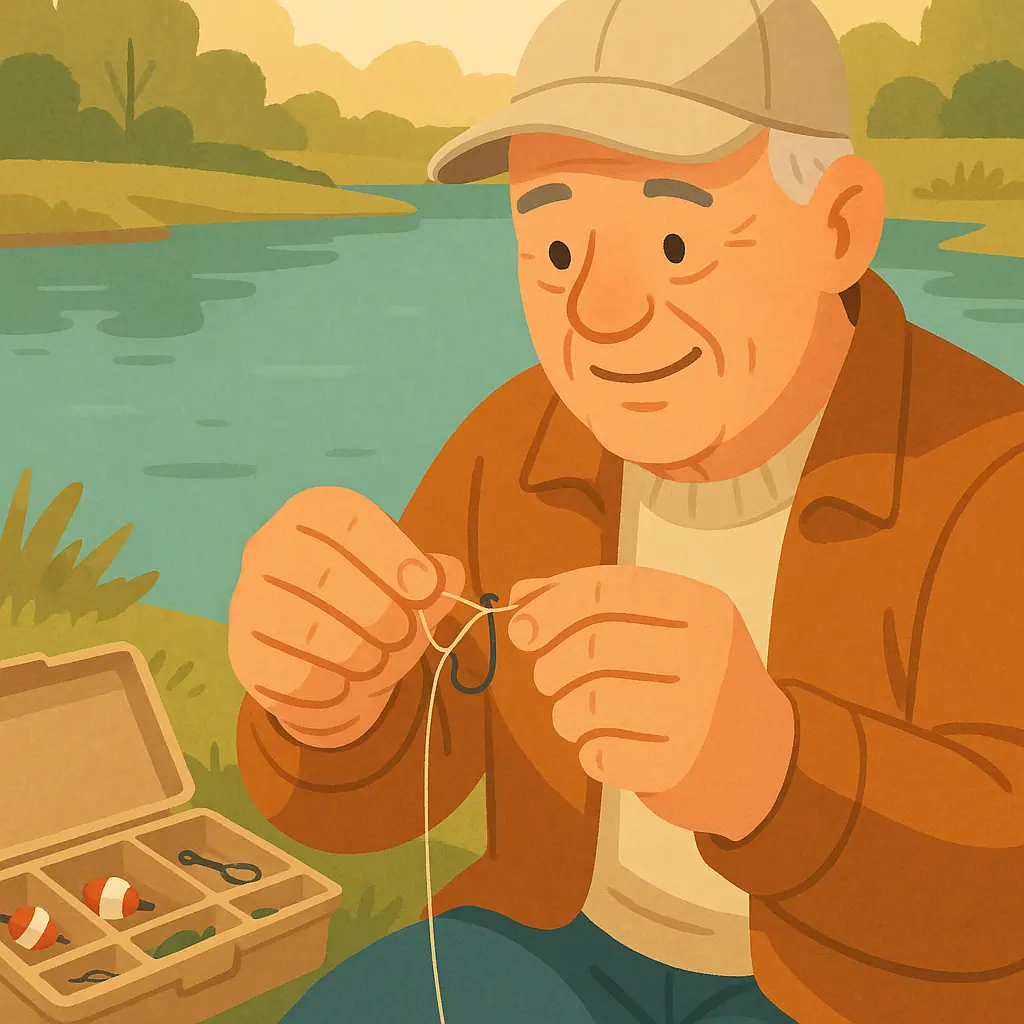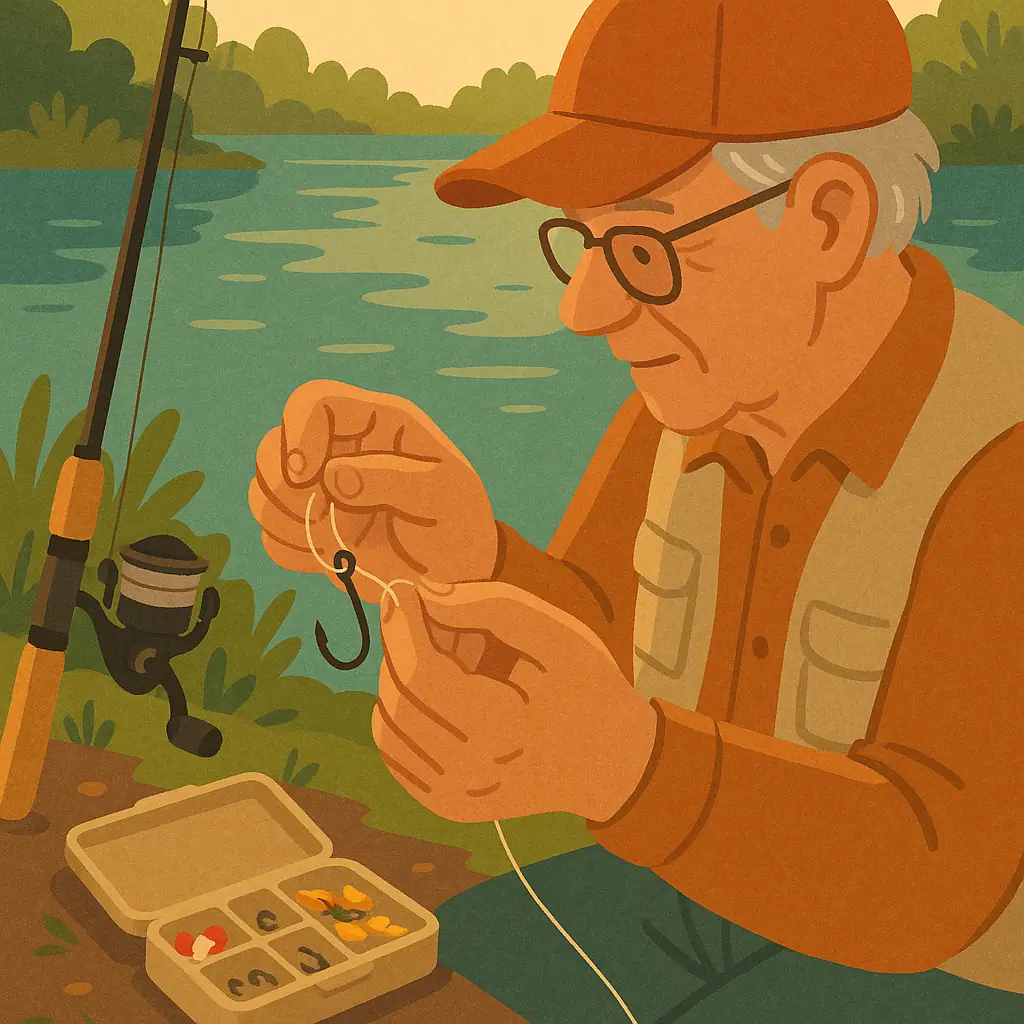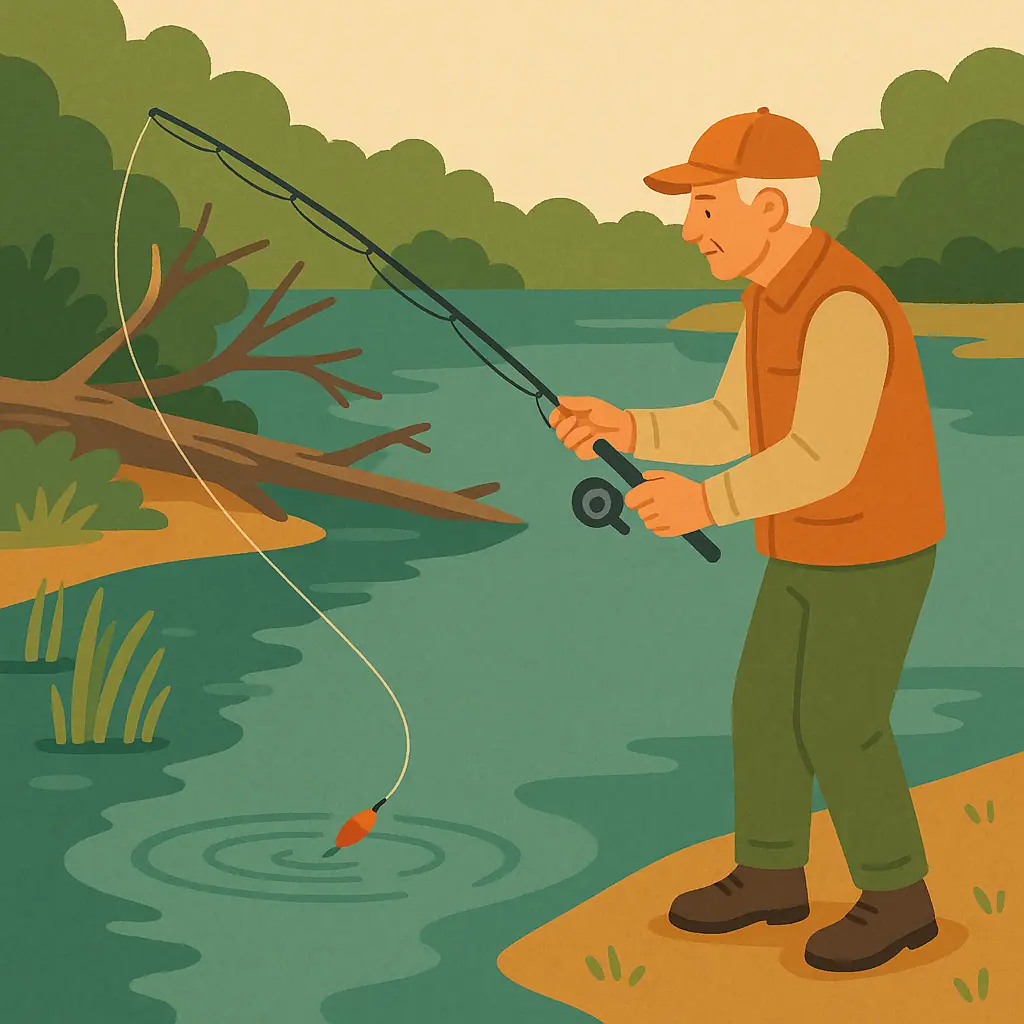
Avoid fishing snags by treating weeds, branches, stumps, and laydowns as places to fish near, not places to throw straight into without a plan. Those spots can hold fish, but they also grab hooks, split shot, bobbers, and lures when a cast lands too deep in the mess.
The goal is not to avoid cover completely. Cover is often where fish feel safe. The better goal is to work the edges, openings, and lanes around cover with simple casts you can control. That keeps your bait in useful water longer and keeps your tackle box from shrinking every hour.
If your casting still feels uncertain, spend a little time with our casting basics guide before aiming at tight pockets. Accuracy is one of the easiest ways to lose fewer rigs near weeds and wood.
Why Snags Happen Around Weeds and Wood
Snags usually happen for three simple reasons: the bait lands too far into cover, the rig sinks too long, or the angler pulls hard in the wrong direction after contact. Weeds wrap around hooks and sinkers. Branches catch exposed hook points. Rocks and roots pinch line when you drag too slowly across the bottom.
None of that means you did something foolish. It means you are fishing close to the same shelter fish use. Once you slow down and read the cover, you can make better choices before the cast leaves your hand.
Start With a Simple Freshwater Plan
Before you tie on a bait, look at the cover like a map. Find the outside edge of the weeds, the shaded side of the dock, the gap beside a fallen tree, or the open lane between branches. Those clear lanes are your beginner-friendly targets.
For lure choices around cover, Take Me Fishing gives a beginner-friendly overview of lure styles on its fishing with lures guide. Use that as general education, then check your state or local agency for access, seasons, bait rules, and any water-specific restrictions before a new trip.
Fish the edge before the middle
The outside edge is where many beginner casts should start. It gives fish a chance to see the bait while giving you a cleaner retrieve path. If you catch weeds every cast, you are probably too far inside the cover.
Use short casts when the target is tight
A short, controlled cast is better than a long cast that lands in branches. Stand where you can see the target, use a smooth motion, and aim for water you can retrieve through without panic.
Rig Choices That Help You Avoid Fishing Snags
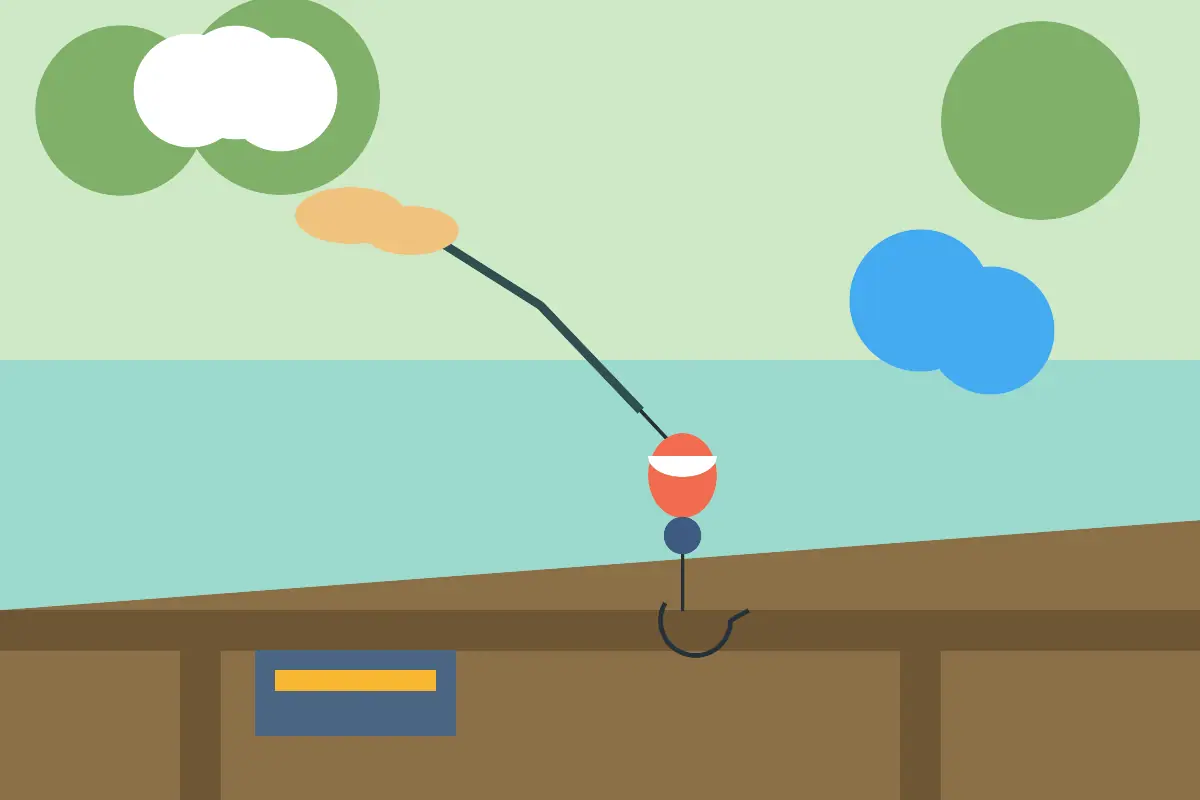
No rig is completely snag-proof, but some beginner choices are friendlier around cover. A bobber rig keeps bait off the bottom, which helps around weeds, rocks, and soft debris. A small hook with a modest bait is easier to control than a heavy sinker dragged through every branch.
If you want a calmer setup for shallow cover, our guide on how to rig a bobber explains depth, hook, and split shot in plain steps. Setting the bobber a little shallower can keep your hook above the thickest weeds.
For moving lures, choose something you can keep above cover or bring along the edge. Inline spinners, small spinnerbaits, and simple jigs can all work, but beginners should avoid letting them sink into the thickest part before reeling.
How to Fish Near Weeds and Wood Step by Step
Use the same calm routine for several casts. Snag control improves when you make small adjustments instead of changing everything after one bad cast.
- Pick the clean lane: Choose the open water beside the cover, not the densest branch pile or weed mat.
- Cast past or beside the target: Land the bait where you can retrieve it along the edge.
- Start moving sooner in shallow cover: Do not let the hook sink forever when weeds are close to the surface.
- Keep the rod tip ready: Raise it slightly to guide the bait over light weeds, then lower it when you need a natural path.
- Pause only in clean pockets: Long pauses inside weeds or branches invite trouble.
- Pull gently when you touch cover: A light lift may free the rig. A hard jerk can bury the hook deeper.
Common Freshwater Mistakes to Avoid
Most snag problems come from rushing. The cast lands a little wild, the bait sinks too long, then the hook catches and the angler yanks hard. A slower routine prevents many of those lost rigs.
- Casting directly into the thickest cover: Fish the outside edge first and work closer only after clean retrieves.
- Dragging bottom rigs through wood: Bottom contact can be useful, but branches and roots grab sinkers quickly.
- Using too much weight: Heavy split shot or sinkers fall into weeds and cracks faster than lighter setups.
- Ignoring wind: Wind can push a bobber or loose line into weeds after the cast lands.
- Jerking hard at every bump: Many bumps are weeds, sticks, or rocks. Lift gently before you swing.
When live bait is part of your plan, hook size and bait size matter. Our live bait fishing guide covers simple bait options that stay manageable for new anglers.
Pros and Cons of Fishing Close to Cover
Cover can hold fish
Weeds, shade, and wood give fish places to hide, feed, and ambush passing bait.
Edges are easy targets
Beginners can fish visible edges without needing complicated casts or advanced boat control.
You learn water reading
Each cast teaches you where open lanes, weed tops, and branch angles really are.
Snags are still possible
Even careful anglers lose tackle sometimes when fish and cover are close together.
Patience matters
Rushing casts or forcing a stuck hook usually turns a small problem into a broken line.
A Simple Checklist Before Each Cast
Use this quick check when you are fishing near weeds, stumps, docks, or fallen trees.
- Target chosen: I can see the open lane or edge I want to fish.
- Rig depth checked: My bait will not immediately bury in weeds or branches.
- Weight reasonable: I am not using more sinker than I need.
- Retrieve path planned: I know where the bait should come back.
- Escape angle ready: If I touch cover, I can pull gently from a different angle.
- Rules checked: I have confirmed local access, license, and bait rules for this water.
When to Get Extra Help
Ask a local bait shop, park office, or experienced angler if you lose rigs every few casts in the same area. They may know whether the bottom is full of brush, whether weeds are topped out, or whether a lighter rig works better there.
You should also ask for help before fishing unfamiliar public water with special rules. Do not guess about access, seasons, or bait restrictions. A quick local check is easier than learning the hard way at the ramp or shoreline.
Frequently Asked Questions
What should I check first when fishing near weeds?
Look for the outside weed edge or an open pocket. Cast there before trying to put bait into the thickest plants.
Is a bobber good for avoiding snags?
Yes. A bobber can hold bait above weeds, rocks, and bottom debris when you set the depth correctly.
What should I do if my hook gets stuck?
Stop pulling hard. Lower the rod, create a little slack, and try a gentle pull from a different angle. If it stays stuck, break off carefully and retie.
Can I avoid every snag?
No. Snags are part of fishing around cover. The goal is to lose fewer rigs by choosing cleaner casts, lighter control, and better angles.
Final Thoughts
The best way to avoid fishing snags is to fish with a plan before the cast. Start on the edge, keep rigs simple, and move closer to heavy cover only when you can retrieve cleanly.
On your next trip, pick one weed edge or fallen branch and make five calm casts beside it instead of into it. You will learn the water, lose less tackle, and give yourself a better chance when a fish is waiting nearby.