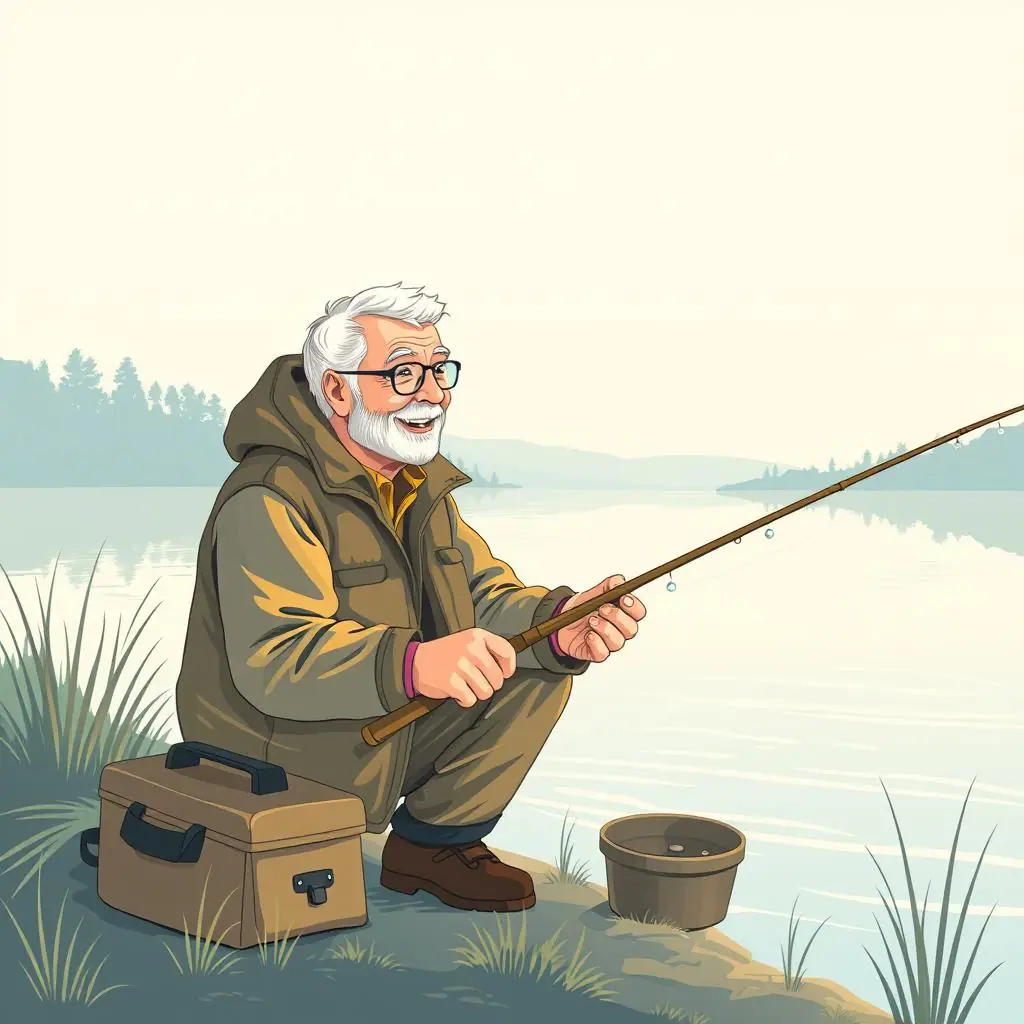
A fishing first aid kit is not something you hope to use often. It is the small, quiet gear that lets you handle a nicked finger, a scraped knee, a sun headache, or a hook scare without turning a peaceful outing into a scramble.
For beginners and adults 50+, the best kit is simple, easy to find, and packed for the real problems that happen around water: sharp hooks, wet rocks, hot sun, fish spines, slippery docks, and small cuts from line, pliers, or tackle trays.
Why a Fishing First Aid Kit Matters
Fishing feels relaxed, but the setting adds little risks that do not show up in a living room. Hands get wet. Hooks are sharp. Rocks shift under your feet. Sunscreen gets forgotten when the bobber starts moving. A small kit keeps those ordinary problems manageable.
The U.S. Fish and Wildlife Service tells first-time anglers to fish with a companion when possible, be careful with sharp hooks, look before casting, and use a proper life vest when wading or boating. Their beginner guide to fishing for the first time is a useful reminder that safety is part of the trip, not separate from it.
That outside guidance supports the same practical habit: prepare before you need help. A first aid kit will not replace medical care, but it can buy you calm, clean hands, and better judgment while you decide what to do next.
Start With a Small Waterproof Pouch
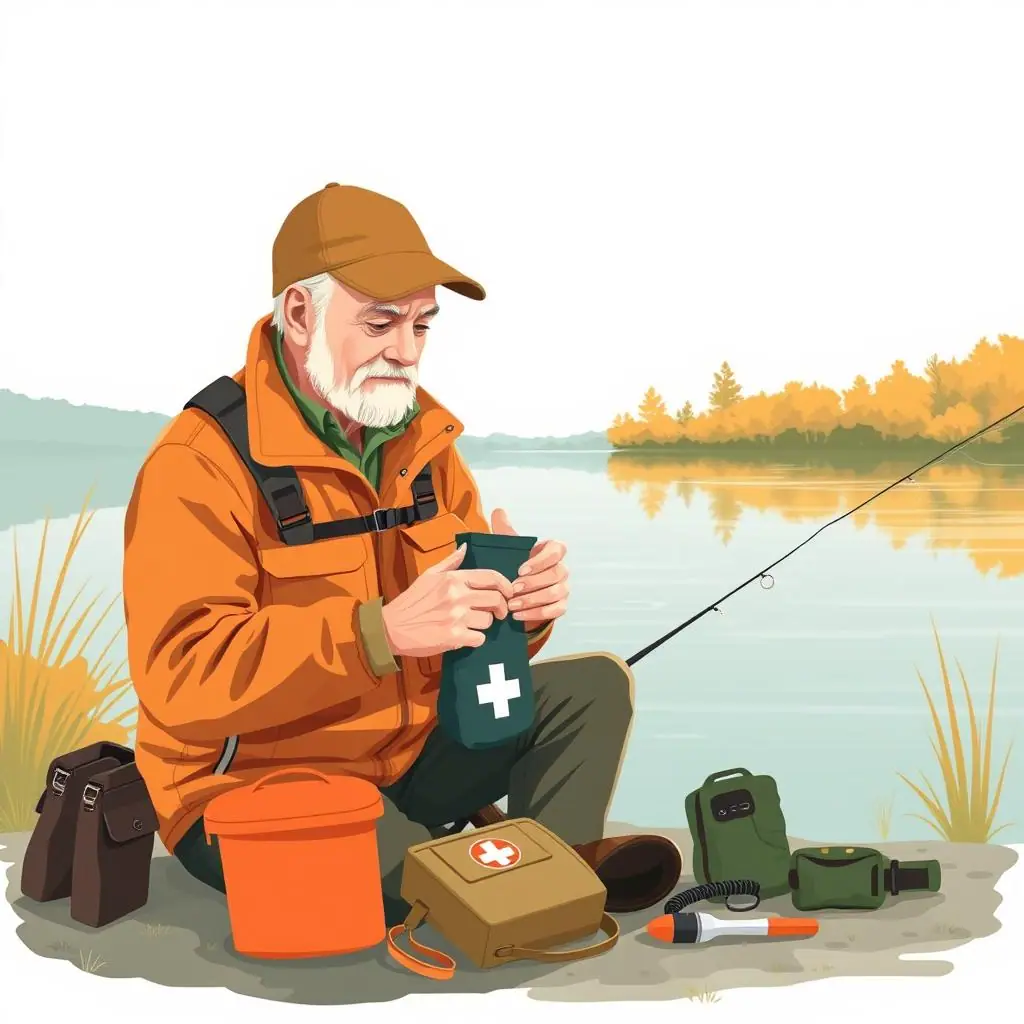
Your fishing first aid kit does not need to be a big red box. In fact, a bulky kit often gets left in the truck. A soft waterproof pouch or small hard case is easier to keep inside a tackle bag, backpack, or boat compartment.
Make it easy to recognize
Choose a bright color or add a plain first aid tag so someone else can find it quickly. If you fish with family, tell them where the kit is before the lines go in the water.
Keep it separate from tackle
Do not bury bandages under hooks, sinkers, and bait containers. ReelHow's guide to tackle box essentials can help you organize fishing gear while keeping medical supplies clean and separate.
A good kit opens cleanly, stays dry, and does not require sorting through loose swivels when someone is bleeding from a small cut.
What to Put in a Fishing First Aid Kit
Think about the trip, not the catalog. You want supplies for minor cuts, hook handling, sun exposure, insect bites, slipping on banks, and basic comfort until you get home or get proper help.
Basic wound supplies
Pack adhesive bandages in a few sizes, sterile gauze pads, medical tape, antiseptic wipes, antibiotic ointment packets if your household can use them safely, and a small roll of self-adhering wrap. These handle most small scrapes, line cuts, and rubbed knuckles.
Tools that belong with first aid
Add small tweezers, blunt-tip scissors, disposable gloves, and a few sealed plastic bags for trash. Tweezers help with splinters and tiny debris. Scissors help cut tape or wrap without using a fishing knife near skin.
Your fishing tools still matter, especially pliers for hooks and split rings. Keep pliers in your tackle area, not inside the medical pouch. ReelHow's guide to fishing tools for beginners covers the gear side so your first aid pouch can stay clean.
Sun and heat helpers
Add sunscreen, lip balm with sun protection if you use it, a small instant cold pack, and electrolyte packets if they suit your health needs. The CDC recommends sun protection habits such as shade, protective clothing, hats, sunglasses, and sunscreen for outdoor time. Their page on sun safety facts is a helpful official reference before long summer trips.
Put the sunscreen where you will actually use it. If it hides at the bottom of the bag, it becomes decoration instead of protection.
How to Handle Hook, Cut, and Slip Problems
A kit is only useful if you know the calm first step. Do not try to be a hero, and do not guess with serious injuries. For anything deep, uncontrolled, embedded near the eye, involving major pain, or causing concern, stop fishing and get medical help.
Step 1: Pause the fishing
Set the rod down, secure hooks, and move away from the water edge if you can. A minor cut can become more stressful if everyone is still casting around the person who needs help.
Step 2: Clean your hands or use gloves
Wet hands, bait, fish slime, and dirt do not belong in a wound. Use disposable gloves if available, or clean your hands as best you can before touching supplies.
Step 3: Rinse and cover small cuts
For a small scrape or line cut, rinse with clean water if available, use an antiseptic wipe around the area as directed, apply a bandage or gauze, and keep it dry enough to finish packing up safely.
Step 4: Treat hook problems with respect
If a hook is lightly caught in clothing, gear, or the very surface of skin, slow down and control the hook before pulling. If a hook is deeply embedded, near the face, near a joint, or difficult to remove, do not force it. Cover and stabilize it, then seek medical help.
Step 5: Watch footing after a slip
After a fall, sit down for a minute. Check for dizziness, pain, bleeding, swelling, or trouble standing. It is better to end a trip early than to turn a sore ankle into a bigger problem by walking a muddy bank for another hour.
Common First Aid Kit Mistakes to Avoid
The first mistake is packing too much. A kit that is too large gets left behind. The second mistake is never checking it. Bandages get damp, ointment packets expire, and sunscreen can run out without anyone noticing.
- Do not mix hooks with bandages: medical supplies should stay clean and easy to grab.
- Do not rely on memory: tape a short contents list inside the pouch so restocking is simple.
- Do not forget medicine needs: carry personal medications or allergy items according to your own medical advice.
- Do not assume cell service: know the access road, boat ramp, or trail name before you need directions.
- Do not skip local checks: managed areas may have specific safety, boating, access, or fishing rules.
Pros and Cons of a Compact Kit
Easy to carry every trip
A small waterproof pouch fits in a tackle bag, backpack, boat box, or dock bag without taking over your setup.
Fast for minor problems
Bandages, wipes, gloves, and gauze are right where you need them when a small cut or scrape interrupts the day.
Simple to restock
A short checklist makes it easy to replace used supplies after the trip instead of discovering an empty kit later.
Limited for serious injuries
A compact kit helps with minor care, but it cannot replace emergency services, medical training, or professional treatment.
Needs regular checking
Water, heat, and time can damage supplies, so the kit only works if you inspect and restock it.
A Simple Fishing First Aid Kit Checklist
Use this as a starter list, then adjust for your health, weather, fishing location, and advice from medical professionals.
- Bandages: assorted adhesive bandages for fingers, knuckles, and small scrapes.
- Gauze and tape: sterile gauze pads plus medical tape or self-adhering wrap.
- Cleaning: antiseptic wipes and a small bottle of clean water if your trip location does not provide it.
- Gloves: a few pairs of disposable gloves in a sealed bag.
- Tools: tweezers and blunt-tip scissors kept clean inside the kit.
- Sun support: sunscreen, lip protection, and a small reminder to reapply according to the label.
- Comfort: instant cold pack, insect bite relief if you use it safely, and personal medications as directed.
- Emergency note: write down local emergency numbers, allergies, and the name of the fishing access point.
If you are building a comfort-first setup for longer outings, ReelHow's article on lightweight fishing gear for seniors can help you keep the whole bag manageable.
When to Get Extra Help
Get medical help for deep cuts, heavy bleeding, hook injuries near the eye or face, severe swelling, signs of infection, bad falls, possible broken bones, or any situation that makes you uneasy. When in doubt, end the trip and ask for help.
It is also wise to take a basic first aid class if you fish often with family, children, or older friends. The kit is the gear. Training is what helps you use good judgment when the day changes quickly.
Frequently Asked Questions
What should I check first in a fishing first aid kit?
Check that bandages, gauze, gloves, antiseptic wipes, tape, tweezers, and sunscreen are present, dry, and easy to reach. If anything was used last trip, replace it before the next one.
How often should I review my fishing first aid kit?
Review it before every trip and do a deeper check once a month during fishing season. Heat, moisture, and use can quietly ruin supplies.
Should I remove a fishing hook myself?
Only handle very minor surface situations if you are confident and it is clearly safe. For deep hooks, face or eye injuries, heavy pain, or uncertainty, stabilize the hook and get medical help.
Can one kit work for bank, dock, and boat fishing?
Yes, one compact kit can cover the basics. Add location-specific items such as extra water, motion-sickness help, or a larger dry box when the trip is longer or farther from quick help.
Final Thoughts
A fishing first aid kit is not about worrying more. It is about relaxing more because the small problems have a place to go. Pack a clean, compact pouch, keep it dry, and restock it as soon as you use anything.
Then tell your fishing partner where it is. That one simple habit may be the most useful item in the whole bag.