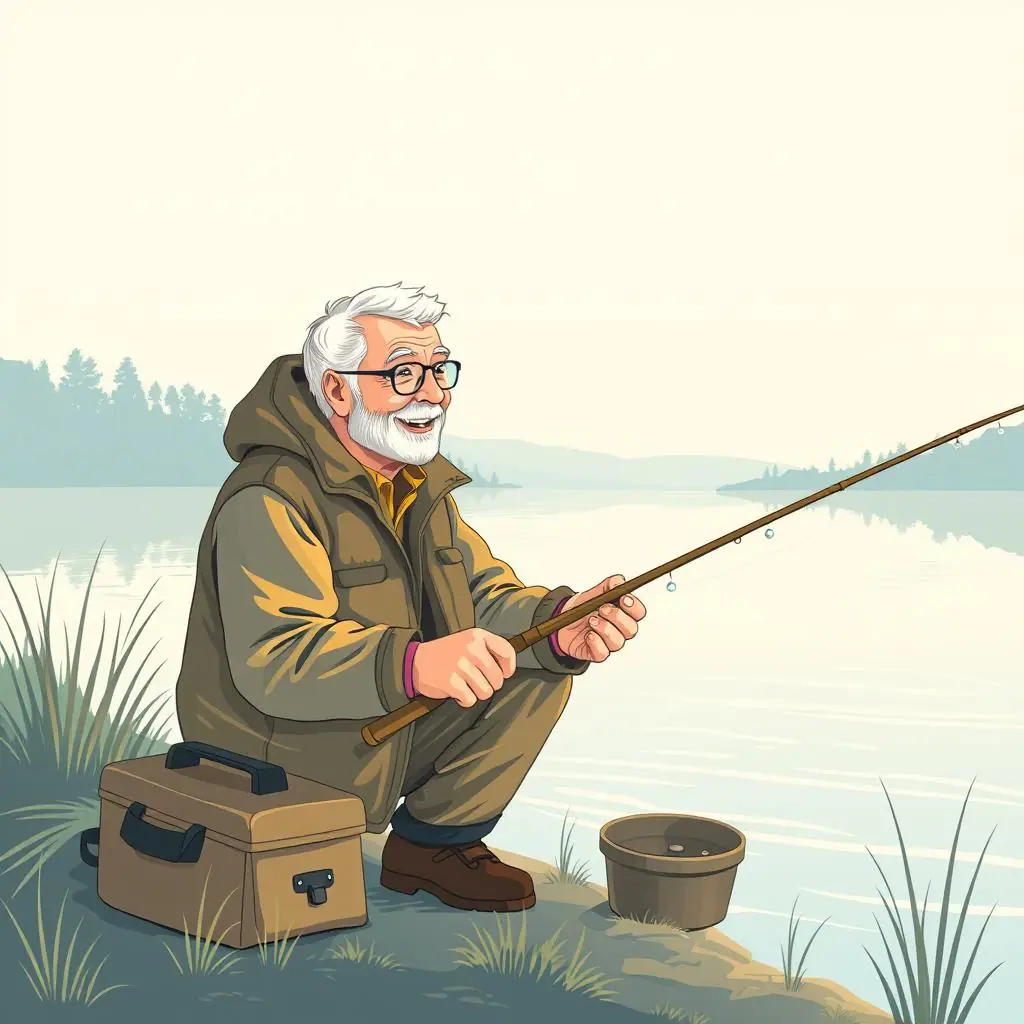
Lightweight fishing gear for seniors is not about giving up strength or settling for flimsy equipment. It is about making the whole trip easier on your hands, shoulders, back, and patience.
If a rod feels heavy after twenty minutes, the cooler is awkward to lift, or the tackle bag turns into a small suitcase, fishing can stop feeling relaxing. The good news is that a few smart choices can make your setup lighter without making it fragile.
Why Lightweight Fishing Gear for Seniors Matters
Comfort changes how long you enjoy being outside. A lighter rod helps you cast without fighting the blank. A smaller tackle kit means fewer things to dig through. A balanced reel keeps your wrist from doing all the work.
That matters especially for adults 50+ who want fishing to stay calm and repeatable. You should be thinking about the bobber, the water, and the next bite, not whether your shoulder is already tired before the fish start feeding.
Gear does not need to be expensive to feel better. Often, the best upgrade is simply choosing equipment that matches your body and your fishing spot. ReelHow's guide to fishing rod length for beginners is a helpful companion because rod length affects leverage, casting space, and how much effort each cast takes.
Start With the Rod and Reel Balance
The rod and reel are the two pieces you handle the most, so start there. A light rod can still feel tiring if the reel is too large or mounted on a handle that does not fit your hand.
Choose a friendly rod length
For many beginner freshwater anglers, a rod around 6 feet 6 inches to 7 feet is a practical range. It is long enough for simple casts but not so long that it feels awkward around trees, docks, and bank cover.
Use a reel that matches the rod
A 1000, 2000, or 2500 size spinning reel is usually plenty for panfish, trout, pond bass, and relaxed bank fishing. Bigger reels may hold more line, but they can also add weight you carry with every cast.
If you are unsure where those reel numbers fit, the ReelHow spinning reel size guide walks through common sizes in plain language. After reading that, handle a real rod and reel together if you can. Balance matters more than a number on the box.
What to Check Before Buying Lightweight Fishing Gear
Do not start with the lightest item on the shelf. Start with the way you fish. A bank angler walking a pond trail needs different comfort than someone sitting on a dock with a chair and a small tackle tray.
- Carry distance: if you walk far from the car, every extra pound matters.
- Casting style: short, relaxed casts need less rod power than long casts into wind.
- Target fish: bluegill and stocked trout do not require the same gear as big catfish.
- Grip comfort: cork, foam, and shaped handles feel different in older hands.
- Storage space: two-piece rods, compact nets, and smaller bags are easier to move and store.
Fishing rules can vary by location, age, species, and the kind of water you fish. For example, the Georgia Department of Natural Resources notes that anglers age 16 and older need a current Georgia fishing license while fishing in Georgia fresh or salt water; check your own state agency before a trip through an official page such as Georgia DNR fishing resources, then keep your gear choices within those rules.
Build a Simple Senior-Friendly Setup Step by Step
A good lightweight setup is not a pile of specialty gear. It is a small system where each item earns its place. Start with the basics and add only what solves a real problem.
Step 1: Pick one main combo
Choose one spinning rod and reel that covers most of your fishing. A medium-light or medium spinning rod with comfortable grips can handle bluegill, crappie, trout, and many bass without feeling like a broomstick.
Step 2: Keep the line forgiving
Monofilament line is still a friendly choice for many beginners because it knots easily, stretches a little, and does not demand advanced handling. Six to ten pound test covers a lot of relaxed freshwater fishing.
Step 3: Shrink the tackle kit
A small tray with hooks, split shot, bobbers, a few soft plastics, and one or two simple lures is easier than a giant tackle box. Carrying less also means deciding faster when the bite changes.
Step 4: Choose comfort gear carefully
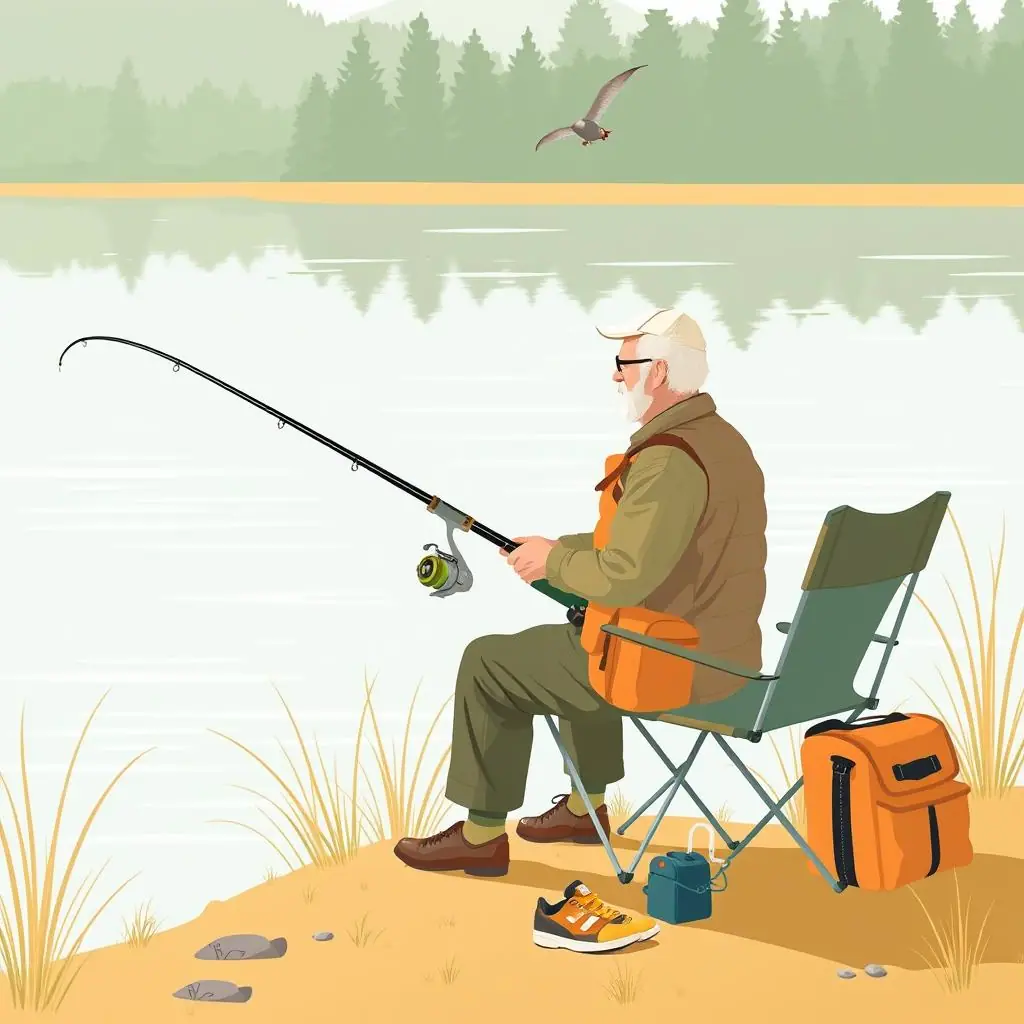
A light folding chair, small water bottle, brimmed hat, and simple net may do more for the day than another lure. For longer outings, ReelHow's article on comfortable fishing chairs, coolers, and convenience can help you keep the trip easy without overpacking.
Common Gear Mistakes to Avoid
The most common mistake is buying for the biggest fish in the lake instead of the fishing you actually do. Heavy rods, oversized reels, huge tackle bags, and long-handled tools can all sound useful until you carry them down a bank.
Another mistake is confusing lightweight with cheap. A very cheap rod may be light because it lacks strength or useful components. Look for comfortable weight, smooth reel operation, and a setup that feels stable in your hand.
- Do not overpack: bring a small set of proven options instead of every lure you own.
- Do not ignore the grip: a handle that feels narrow, slick, or awkward can tire your hand quickly.
- Do not oversize the reel: extra capacity does not help if the reel makes the rod feel tip-heavy.
- Do not forget the walking route: the best gear at home may be annoying on a muddy shoreline.
Pros and Cons of Going Lighter
Easier casting
A lighter, balanced setup lets you make more relaxed casts without wearing out your wrist and shoulder.
Less clutter
A smaller tackle kit keeps decisions simple and makes it easier to find hooks, weights, and bobbers when you need them.
More comfortable trips
When the load is easy to carry, short pond walks and dock sessions feel calmer from start to finish.
Not ideal for every fish
Very light gear may be underpowered for big catfish, heavy weeds, strong current, or large lures.
Requires honest matching
You need to match rod, reel, line, and target fish instead of simply buying the lightest option available.
A Simple Lightweight Gear Checklist
Use this checklist before you buy, pack, or upgrade. It keeps the decision grounded in the fishing you actually enjoy.
- Rod: can you hold it at casting height for a full minute without strain?
- Reel: does the combo feel balanced, not nose-heavy or handle-heavy?
- Line: is it strong enough for your likely fish but easy enough to tie?
- Tackle: can your main tray fit in one hand or one small bag pocket?
- Tools: are pliers, clippers, and net reachable without bending over repeatedly?
- Comfort: did you pack water, shade, and a place to sit before adding extra lures?
If cost is part of the decision, keep the setup honest. The ReelHow budget fishing setup guide can help you spend on the pieces that matter most instead of filling a cart with gear you may not use.
When to Get Extra Help
Ask for help when a setup feels uncomfortable but you cannot tell why. A local tackle shop, experienced fishing friend, or family member can watch how the rod sits in your hand and often spot the issue quickly.
Also get local guidance before fishing new waters. Gear rules, bait limits, hook restrictions, and license requirements can change by state, season, or property. Do not guess on regulations. Verify before you go, then keep the gear simple once you are there.
Frequently Asked Questions
What should seniors check first when choosing lightweight fishing gear?
Start with rod and reel balance. A setup that feels balanced in your hand usually matters more than chasing the lowest weight printed on a package.
How often should I review my fishing setup?
Review it after every few trips. If one item keeps feeling heavy, hard to reach, or unnecessary, that is a good clue to simplify or adjust.
Is ultralight gear best for older anglers?
Not always. Ultralight gear is fun for panfish and trout, but a medium-light or medium setup may be more versatile for mixed pond and lake fishing.
Can I still use heavier gear if it feels comfortable?
Yes. Comfort is personal. If a heavier rod helps you control the fish, casts smoothly, and does not bother your hands or shoulders, it can still be the right choice.
Final Thoughts
Lightweight fishing gear for seniors should make fishing feel easier, not smaller. The best setup lets you carry less, cast comfortably, and enjoy more of the day beside the water.
Start with one balanced rod and reel, a small tackle kit, and comfort items you will actually use. Then let real trips guide the next adjustment. When your gear disappears into the background and the water gets your attention again, you have found the right direction.