Fishing sun protection is one of those quiet pieces of gear that can make a good day last longer. You may think first about rods, bait, and where the fish are holding, but bright glare, hot skin, and tired eyes can wear you down before the bite really gets going.
The goal is simple: see the water better, protect your eyes and skin, and stay comfortable enough to enjoy the trip. You do not need a complicated outfit. A few thoughtful choices can make bank fishing, dock fishing, and boat days feel calmer and safer.
Why Fishing Sun Protection Matters
Water changes the sun. Light bounces off the surface, glare hides small details, and a calm morning can turn into a bright afternoon faster than you expect. That is why fishing sun protection is not just about avoiding a burn. It also helps you watch your bobber, spot shallow cover, and walk safely near docks, rocks, and muddy banks.
For adults 50+ especially, comfort matters. Squinting for hours can lead to eye fatigue. A hot neck can make you rush decisions. A sunburned hand can make tying knots and handling gear unpleasant for the next few days.
If you are already thinking through what to wear, ReelHow's guide to fishing clothing for the water pairs well with this topic because clothing, shade, and glasses work together.
Start With Polarized Fishing Glasses
Polarized glasses are popular with anglers because they reduce reflected glare from the water. That can help you see surface movement, shallow weeds, submerged rocks, and your line angle more clearly. They will not magically reveal every fish, but they can make the water easier to read.
Look for UV protection first
Polarization and UV protection are not the same thing. Polarization helps with glare. UV protection helps protect your eyes from ultraviolet radiation. The U.S. Food and Drug Administration advises choosing sunglasses labeled UV400 or 100% UV protection, and it also notes that darker lenses do not automatically mean better UV protection. You can read that guidance on the FDA's page about sunscreen and sunglasses safety.
That outside source is worth checking because labels matter. A pair of very dark glasses without clear UV labeling may make your pupils open wider without giving the protection you expected.
Choose lens color for your water
Amber, copper, or brown lenses often feel useful around ponds, rivers, and stained freshwater because they add contrast. Gray lenses can feel more natural on very bright days. If you fish mostly from a shady bank, avoid lenses so dark that you cannot see knots, hooks, or walking hazards clearly.
Add a Hat, Sunscreen, and Shade Plan
Glasses help your eyes, but they do not cover your ears, neck, scalp, nose, or hands. A good sun plan has layers. That way, if one layer slips, sweats off, or gets forgotten, the others still help.
Pick a brim that covers more than your forehead
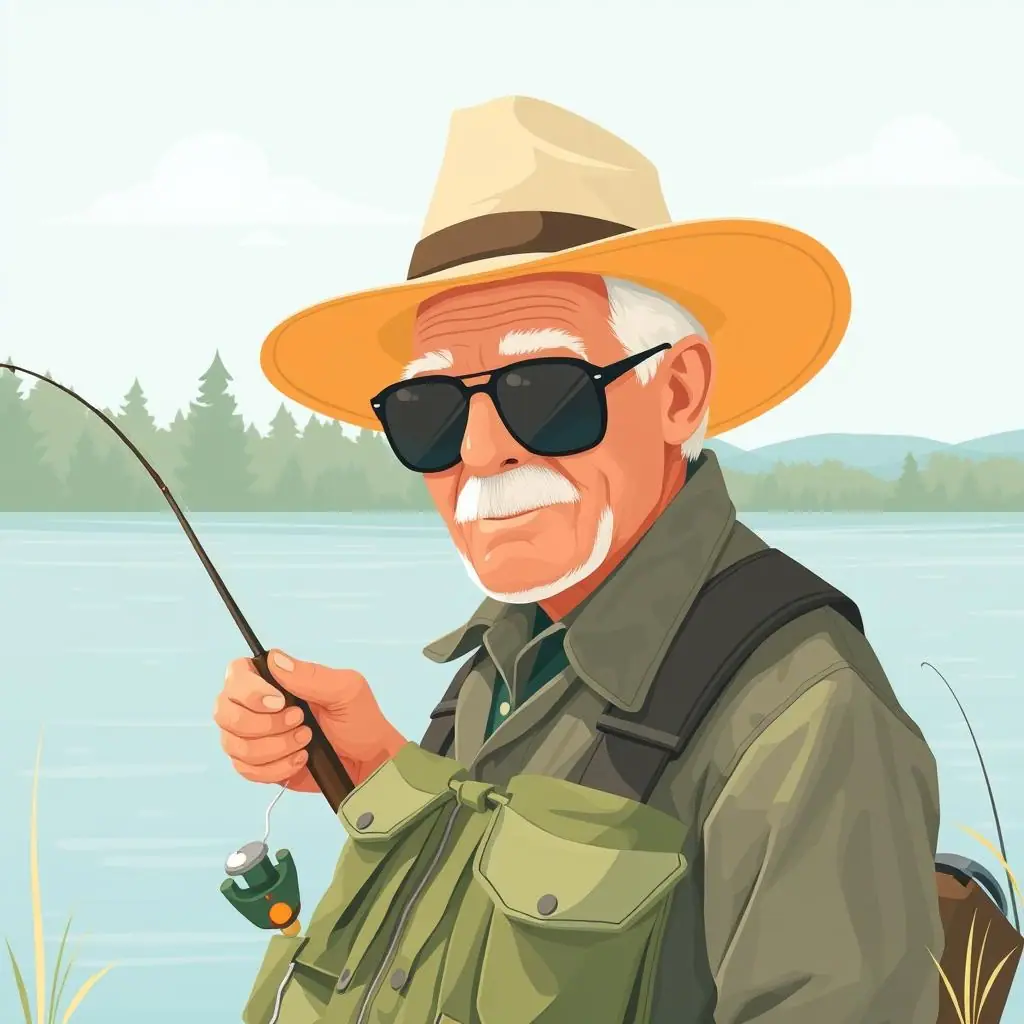
A baseball cap is better than nothing, but it leaves your ears and neck exposed. A wide-brim hat or a cap with a neck flap gives more coverage while you sit, cast, or lean over a tackle tray.
The CDC's sun safety guidance recommends hats, shade, clothing that covers skin, and sunscreen as part of a simple protection routine. Their plain-language page on sun safety facts is a useful reference when you want a quick check before a long outdoor day.
For fishing, the practical takeaway is this: protect the spots you forget. Ears, the back of the neck, the tops of hands, and the part in your hair can get a lot of sun while your attention is on the water.
How to Build a Simple Sun Protection Kit
You can keep this kit small. The best fishing sun protection is the kind you will actually carry, put on, and reapply when the day changes.
Step 1: Start with glasses that stay put
Choose sunglasses that feel secure when you look down, tie knots, or net a fish. A simple retainer strap can save the day if you lean over the water. Clean lenses before each trip so smudges do not make glare worse.
Step 2: Pack a real hat
Use a brimmed hat that shades your face and ears. If wind is common where you fish, choose a chin cord or a snug fit. A hat that blows off every ten minutes becomes one more distraction.
Step 3: Make sunscreen easy to reach
Keep sunscreen in the same pocket every time. Apply before you start fishing, then review it during natural breaks such as lunch, bait changes, or moving to a new spot. Follow the product label for timing and reapplication.
Step 4: Protect hands and neck
Light sun gloves, a neck gaiter, or a collared long-sleeve shirt can be helpful on bright days. This is especially useful when you handle rods, nets, and tackle for hours. ReelHow's article on lightweight fishing gear for seniors can help you keep protective gear comfortable instead of bulky.
Step 5: Add shade to the plan
Shade is gear too. Choose a bank spot with trees nearby, bring a small umbrella if the area allows it, or plan your trip for morning and evening when the sun is gentler.
Common Sun Protection Mistakes to Avoid
The most common mistake is trusting one item to do the whole job. Sunglasses help your eyes but not your neck. A hat helps your face but not your hands. Sunscreen helps exposed skin but may wear off with sweat, water, and time.
Another mistake is buying glasses only by darkness. On the water, lens quality, UV labeling, polarization, fit, and comfort matter more than how black the lenses look in a store.
- Do not skip UV labeling: polarization reduces glare, but the label should clearly mention UV400 or 100% UV protection.
- Do not forget reflected light: water, pale docks, and boat decks can bounce brightness back at your face.
- Do not overheat yourself: choose breathable clothing so protection does not become a reason to quit early.
- Do not leave sunscreen in the car: if it is not in the tackle bag or cooler pocket, it often gets forgotten.
- Do not ignore local rules: some public areas have specific gear, boating, access, or fishing rules, so check before you go.
When you fish federal refuge waters or other managed areas, the U.S. Fish and Wildlife Service reminds anglers to follow state and federal regulations and check individual sites for seasons and limits. Their official fishing activity page is a good starting point when a trip involves federal lands or wildlife refuges.
Pros and Cons of Polarized Glasses
Less glare on the water
Polarized lenses can make bright water easier to look at, especially around ponds, lakes, and slow rivers.
Better comfort for long sessions
Reduced squinting can make a half-day trip feel easier on your eyes and face.
Helpful for reading shallow water
In the right light, polarized glasses can help you notice weeds, rocks, depth changes, and line movement.
Not all pairs protect equally
Polarization does not guarantee UV protection, so the label still matters.
Too dark can be awkward
Very dark lenses may make knots, hook points, shaded banks, and phone screens harder to see.
A Simple Fishing Sun Protection Checklist
Use this before you leave the house. It keeps sun protection practical instead of turning it into a second tackle box.
- Glasses: do they say UV400 or 100% UV protection, and do they fit securely?
- Hat: does it shade your ears and neck, not just your forehead?
- Sunscreen: is it packed where you can reach it during the trip?
- Hands: do you need sun gloves or a reminder to cover the backs of your hands?
- Neck: do you have a collar, gaiter, or brim that covers the back of your neck?
- Shade: have you planned a break spot before the hottest part of the day?
- Comfort: can you still cast, tie knots, and handle fish without feeling bundled up?
If you are packing tools at the same time, keep sharp and useful items easy to find. ReelHow's guide to fishing tools for beginners can help you organize the small things without burying your sunscreen and glasses cloth.
When to Get Extra Help
Ask an eye doctor or optician for help if you wear prescription glasses, have light sensitivity, recently had eye surgery, or feel headaches after bright outdoor days. Fishing glasses should help you relax, not create new discomfort.
Ask a medical professional about sunscreen choices if you have sensitive skin, allergies, or medication that changes sun sensitivity. And when fishing a new public area, check the local agency page before you go. Do not guess on access rules, licenses, seasons, or safety restrictions.
Frequently Asked Questions
What should I check first when buying fishing glasses?
Check for UV400 or 100% UV protection first, then look at polarization, fit, and lens color. Glare control is useful, but UV labeling is the safety starting point.
How often should I review my sun protection setup?
Review it before every warm or bright trip. If you came home squinting, burned, overheated, or tired from glare, adjust one layer before the next outing.
Are polarized glasses always better for fishing?
They are often helpful because they reduce glare, but they still need proper UV protection and a comfortable fit. A poorly fitting polarized pair is not better than a secure, protective pair you will actually wear.
Can I use regular sunglasses for fishing?
Yes, if they provide proper UV protection and stay comfortable. Polarized fishing glasses can make water easier to read, but regular UV-protective sunglasses are still better than no eye protection.
Final Thoughts
Fishing sun protection is simple when you treat it as part of your basic setup. Start with UV-protective glasses, add a hat that covers more than your forehead, keep sunscreen reachable, and plan shade before the day gets hot.
Once those habits are automatic, you can focus on the part you came for: watching the water, making a relaxed cast, and enjoying a safer day outside.