Fishing with crickets is a friendly, old-school way to catch bluegill, sunfish, and other panfish without turning the trip into a gear project. A cricket looks like an easy meal, moves just enough on the hook, and fits perfectly under a small bobber along a pond bank, dock, or quiet shoreline.
If you are fishing with a grandchild, helping a nervous beginner, or just want a calm afternoon where the bites come close to shore, crickets are hard to beat. The setup is simple: a light spinning rod, small hook, bobber, split shot, and a container of lively crickets kept in the shade.
For a broader comparison of easy bait choices, our live bait fishing guide explains how worms, crickets, and minnows each fit beginner freshwater trips. This article stays focused on crickets so you can rig them cleanly and fish them with confidence.
Why Fishing with Crickets Works So Well
Bluegill and panfish feed on small insects, larvae, and other tiny meals around weeds, docks, shoreline grass, and shallow cover. A cricket is the right size, has a natural shape, and makes small movements that draw attention without needing a fancy retrieve.
State fish and wildlife guidance backs up the simple approach. The Missouri Department of Conservation lists crickets among productive bluegill baits and recommends small hooks for bluegill's small mouths in its bluegill fishing tips.
That matters for beginners because the bait does a lot of the work. You can cast lightly, watch the bobber, and learn how fish behave near shore. Instead of worrying about lure speed, rod angle, or advanced knots, you can focus on where the fish are holding and how the bobber reacts.
Start With a Simple Bobber Rig
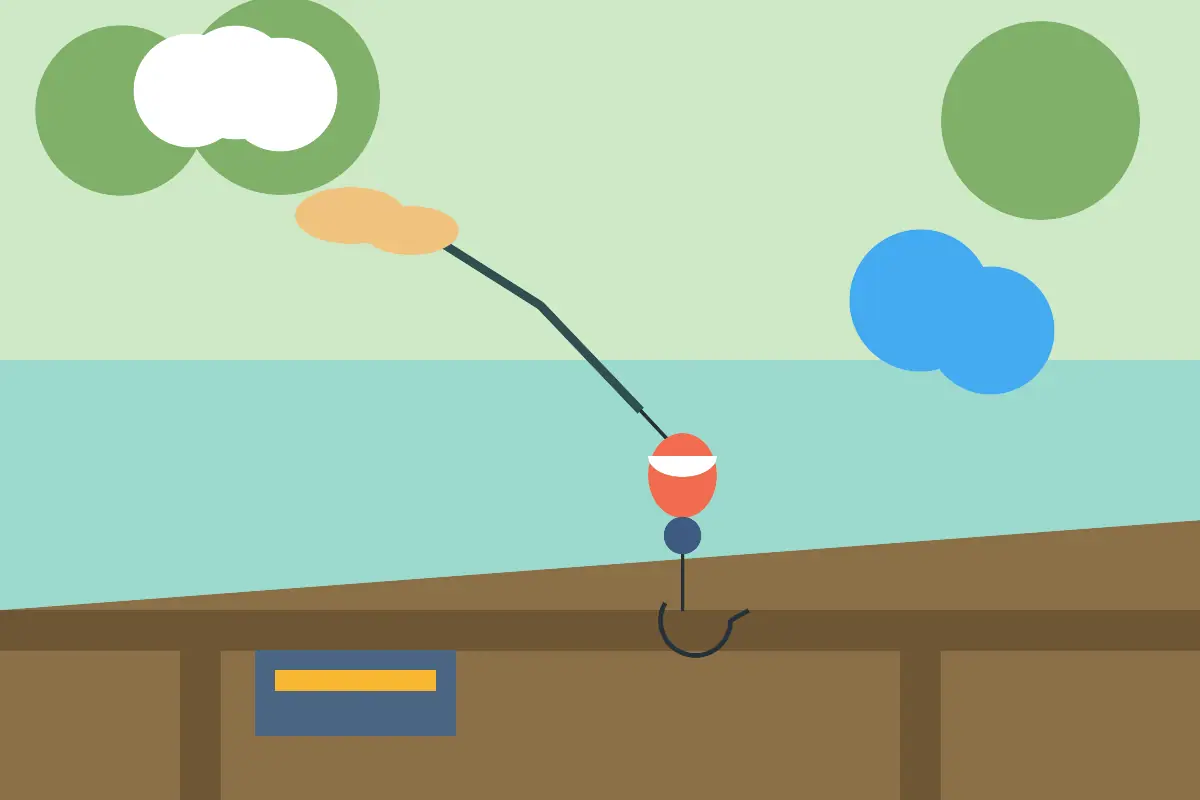
The easiest cricket setup is a small bobber rig. Tie on a size 8 to 12 hook, pinch one small split shot about 8 to 12 inches above the hook, and clip the bobber high enough to let the cricket drift just above weeds or bottom. In many shallow ponds, two to four feet below the bobber is a practical starting point.
Use light, forgiving gear
A light or ultralight spinning rod with 4- to 6-pound monofilament line is comfortable for most panfish trips. If that is not what you own, do not worry. A simple medium-light beginner rod still works as long as you use a small hook and cast gently.
Match the hook to the bait
The hook should be small enough that the cricket still looks natural. A hook that is too large makes the bait sink awkwardly and can stop the small movement that attracts bluegill. Keep a few small hooks in your tackle box so you are not forced to use bass-sized tackle on panfish.
How to Hook a Cricket Without Crushing It
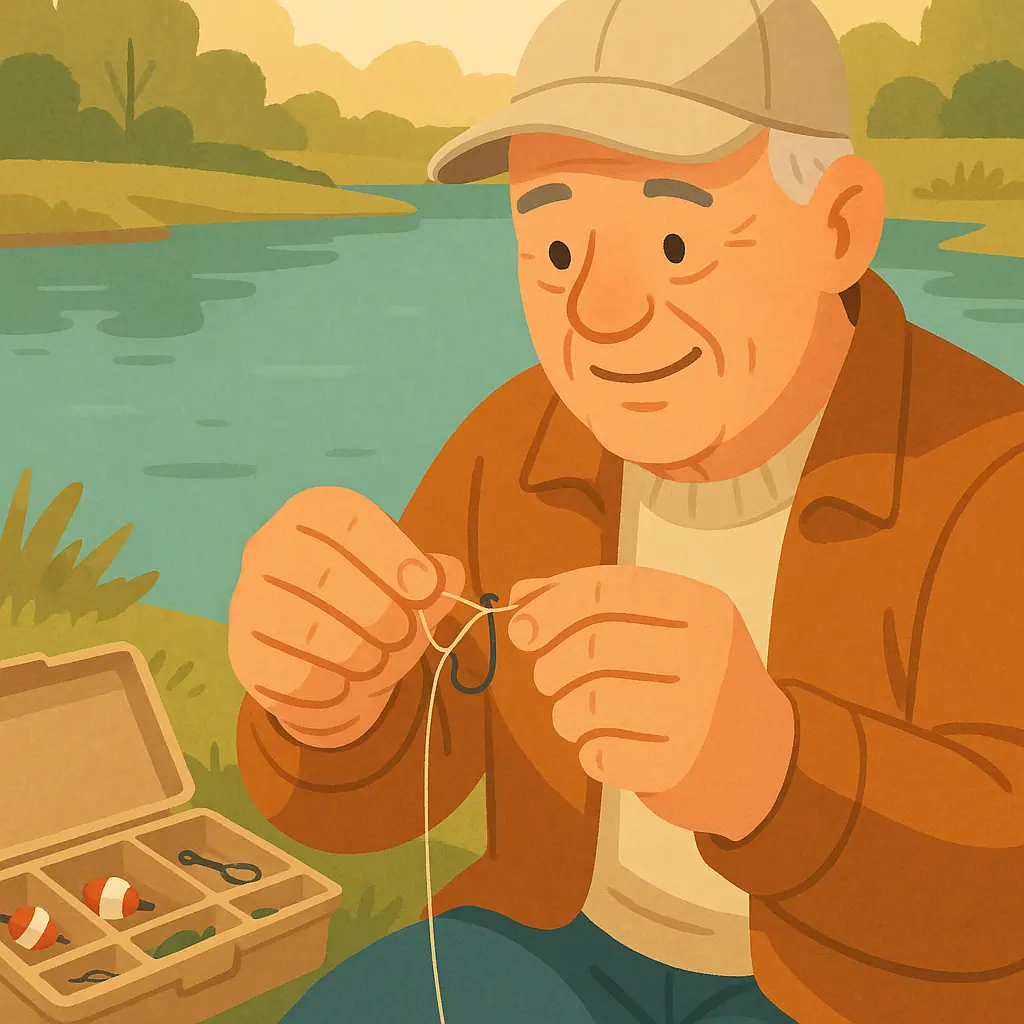
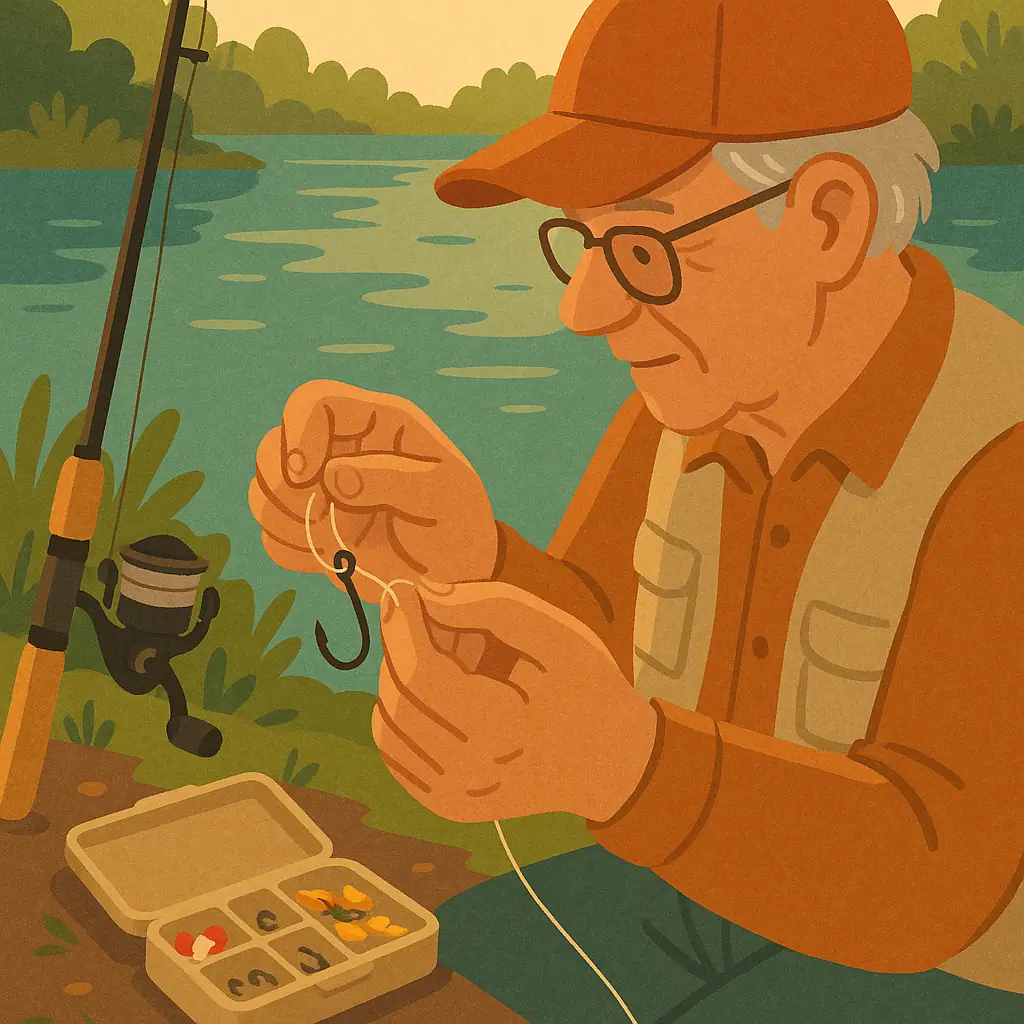
Crickets are delicate, so slow hands help. Hold the cricket gently between your thumb and finger, keep it low over the bait container, and pass the hook through the collar area behind the head or lightly through the back. The goal is to secure the bait without smashing it.
Do not thread a cricket onto the hook like a worm. That usually kills the bait quickly and makes it look less natural. A lightly hooked cricket should still have shape, legs, and a little movement when it hits the water.
If you are still building confidence with hooks, the same calm handling habits apply across bait types. Our guide on setting the hook properly explains why a smooth lift is better than a wild jerk when a small fish takes the bait.
Choose the Best Pond Bank Location
Crickets shine around shallow cover. Look for places where insects might naturally fall or where small fish can hide from larger predators. You do not need a long cast. Many bluegill and sunfish hold close to shore, especially near shade and vegetation.
- Dock edges: Drop the cricket near posts, ladders, or shaded corners where panfish gather.
- Weed openings: Aim for pockets and edges instead of throwing straight into thick plants.
- Overhanging grass: Crickets feel natural near shoreline grass, bushes, and low branches.
- Small inlets: A trickle of moving water can bring oxygen and food into a pond.
- Gentle drop-offs: If the bank slips into deeper water, suspend the cricket just above the change.
When weeds are thick and the bobber keeps hanging up, switch your target to the outside edge. For moving lure practice on similar panfish water, our spinner fishing guide gives a good next step after you have tried live bait.
Keep Crickets Lively and Easy to Handle
Healthy crickets are easier to fish. Keep the container shaded, avoid leaving it in a hot car, and open it carefully so bait does not jump everywhere. Many bait cups include a small piece of egg carton or cardboard so the crickets can cling instead of piling on top of each other.
Bring only what you expect to use for the trip. If you are fishing with kids or new anglers, assign one adult to handle the bait container until everyone is comfortable. It keeps hooks, bobbers, and loose crickets from turning the bank into a scramble.
Fish the Cricket Slowly
After the cast, let the rings settle and watch the bobber. A bluegill may peck, tap, slide the float sideways, or pull it straight under. Small panfish often test the bait before committing, so give them a second. When the bobber goes under or moves steadily, lift the rod smoothly.
If fish keep stealing the cricket, shorten the distance between the bobber and hook, use a slightly smaller hook, or wait a moment longer before lifting. If the bobber never moves, change depth before changing the whole setup. Sometimes the fish are a foot deeper or tucked just inside the shade line.
Stay Safe and Check Local Rules
Cricket fishing is simple, but the usual fishing rules still matter. Check your license, watch your footing on muddy banks, keep hooks pointed away from people, and use sun protection during warm weather. If you are fishing public water, verify bait rules before the trip instead of guessing.
Your state fish and wildlife agency or the posted rules at the pond are the final word for license, season, harvest, and bait rules. Use the cricket setup only where live bait is allowed, and ask a park office or bait shop when a local rule is unclear.
Pros and Cons of Fishing with Crickets
Excellent for panfish
Crickets are the right size and profile for bluegill, sunfish, and many small freshwater fish.
Easy to fish close
You can catch fish near docks, weeds, and bank cover without long casts or advanced retrieves.
Good for family trips
The bobber setup is visual, simple, and exciting when small fish start tapping the bait.
Bait can escape
A loose lid or rushed handling can turn a quiet bait stop into a little chase.
Small fish may steal bait
Bluegill often peck quickly, so hook size, timing, and patience matter.
A Simple Cricket Fishing Checklist
Before you start, run through a short checklist. It keeps the trip calm and helps you fix problems one at a time.
- License checked: Confirm your state and local rules before fishing.
- Crickets shaded: Keep the bait container cool and closed between casts.
- Small hook tied: Start with a size 8 to 12 hook for bluegill and panfish.
- Bobber depth set: Fish above weeds or bottom rather than dragging through cover.
- Cover nearby: Target shade, dock posts, weed edges, grass, and small inlets.
- Smooth hookset: Lift the rod calmly when the bobber moves steadily or disappears.
When to Get Extra Help
Ask a local bait shop, park office, or state fish and wildlife agency if you are unsure whether crickets are allowed on a specific water. Do the same if the pond has posted rules about bait, harvest, access hours, or youth fishing areas.
Get hands-on help if you keep missing bites. Most missed panfish are not a big problem. They usually point to a hook that is too large, bait that is too deep, or a hookset that is either too early or too hard.
Frequently Asked Questions
What is the easiest way to fish with crickets?
Use a small hook, one split shot, and a bobber. Set the cricket just above weeds or bottom and fish it near shade, docks, or shoreline cover.
Do I need a long cast from the bank?
No. Many bluegill and panfish hold close to shore around weeds, dock posts, and shaded edges. A short accurate cast is often better than a long one.
What time should I fish a small pond with crickets?
Early morning and evening are comfortable starting times, especially in warm weather. Midday can still work near shade, deeper edges, or cover.
How do I stop fish from stealing the cricket?
Use a smaller hook, wait for steady bobber movement, and lift smoothly. If the bait keeps disappearing, bluegill may be pecking at it before taking the hook.
Final Thoughts
Fishing with crickets is a relaxed way to learn panfish habits. Keep the rig small, the bait lively, and the cast gentle. Then watch the bobber and let the fish teach you what is happening below the surface.
On your next pond trip, pick one shaded edge, set a cricket under a bobber, and give that spot a few quiet minutes. If nothing happens, adjust depth first, move a few steps second, and keep the whole outing simple.