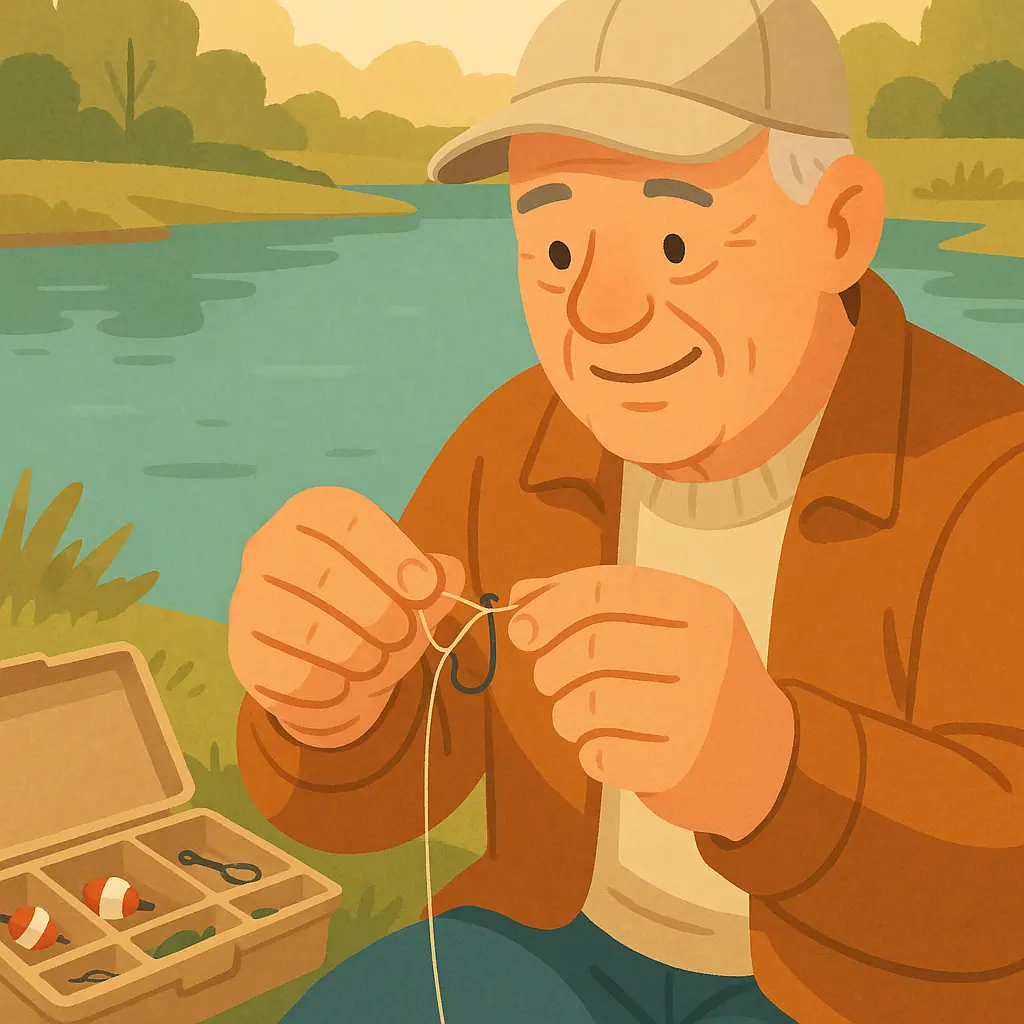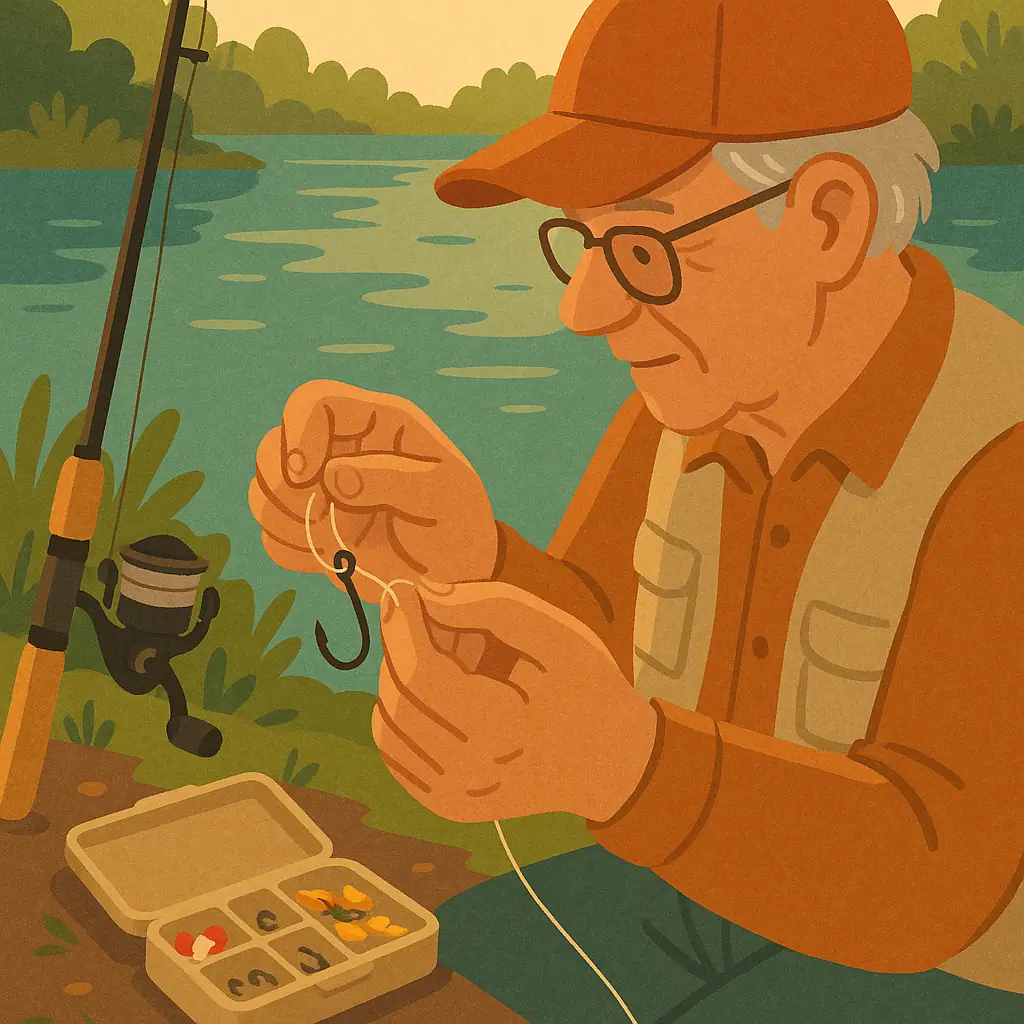
How to bait a hook with a worm is one of those fishing skills that looks simple until you are standing on the bank with a squirming worm, a small hook, and someone waiting for you to cast. If you feel a little nervous or squeamish, that is normal. Plenty of good anglers started the same way.
The trick is not to rush. A worm is soft, your hook is sharp, and the goal is to keep the bait on securely without turning the whole job into a muddy handful. With a small towel, the right hook size, and a steady routine, you can bait up cleanly and get back to fishing.
If you are still choosing when worms are the right bait, our live bait fishing guide gives a broader look at worms, crickets, and minnows for beginner freshwater trips.
Why Baiting a Hook with a Worm Matters
A well-baited worm does three helpful things. It stays on the hook during the cast, moves naturally enough to attract fish, and leaves the hook point ready to do its job when a fish bites. A poorly baited worm often flies off, bunches into a ball, or hides the hook point so well that fish nibble without getting hooked.
For beginners, the bigger benefit is confidence. Once you know exactly where to hold the worm and where to push the hook, baiting stops feeling like a messy guessing game. You can help a grandchild, reset a rig after a bluegill steals the bait, or rebait quickly while the fish are active.
Start with a Simple Freshwater Setup
For most pond, dock, and bank fishing, a basic worm rig does not need to be fancy. A small hook, a bobber if you are fishing near bluegill or panfish, and one or two split shot weights are plenty. Smaller hooks usually make baiting easier because you do not need to thread a huge section of worm.
Choose the right hook size
A size 6 to 10 bait hook is a friendly starting range for many beginner panfish trips. The exact size depends on the fish in your local water, but the idea is simple: use a hook small enough for the fish to take, yet large enough that you can handle it safely.
Prepare a small baiting station
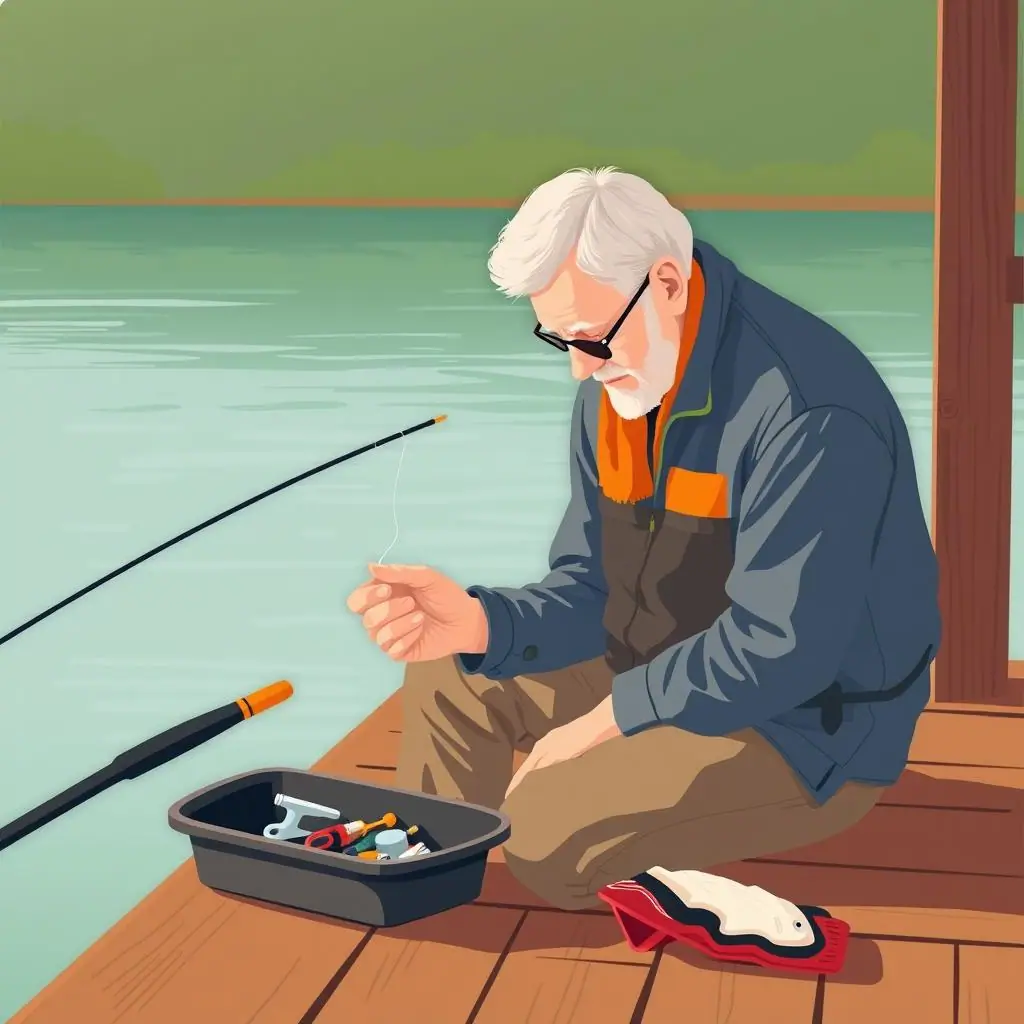
Before opening the bait container, set out a damp towel, your hook, and a safe place to put the rod. If you are on a dock or grassy bank, the towel keeps worms from rolling into dirt and gives your fingers a cleaner surface.
Once your worm is on the hook, the next skill is reacting to the bite without yanking too early. Our guide to setting the hook properly explains that next step in plain language.
What to Check Before You Touch the Worm
Take ten seconds to look at the whole rig. Make sure the line is not wrapped around the rod tip, the hook is tied securely, and any split shot is not pressed right against the hook knot. A tidy rig is easier to bait and easier to cast.
Also check the local rules before using live bait in a new area. Some refuges, lakes, and managed waters limit certain bait types or have special disposal rules. The Missouri Department of Conservation notes in its bait and lures guidance that worms are a useful all-around bait and that unused live bait should not be dumped into local waters.
That rule is worth taking seriously anywhere you fish. Keep unused bait contained, and dispose of leftovers according to local guidance instead of dumping them at the shoreline.
How to Bait a Hook with a Worm Step by Step
There are a few ways to put a worm on a hook. For beginners, the cleanest method is usually to use a smaller piece of worm and hook it in two or three places. It stays lively enough, but it does not leave a long dangling tail that fish can steal easily.
Step 1: Pick a manageable piece
If the worm is long, pinch off a piece about one to two inches long. That may feel less dramatic than using the whole worm, but it is often easier to cast and better for small freshwater fish. Keep the rest in the container so it stays cool and moist.
Step 2: Hold the worm with the towel
Lay the worm piece on a damp towel or hold it gently between your thumb and finger. You do not need to squeeze hard. The towel gives you grip and keeps the mess off your hands.
Step 3: Push the hook through once near the end
Take the point of the hook and pass it through the worm about a quarter inch from one end. Slide the worm gently around the bend of the hook. Go slowly so the worm does not tear.
Step 4: Hook it one or two more times
Bring the hook point through the worm again, then once more if the piece is long enough. Think of it like loosely stitching the worm onto the hook. Leave a small tail moving, but do not leave so much that fish can bite the tail without touching the hook.
Step 5: Leave the hook point exposed
This part matters. The hook point should not be buried completely inside the worm. A little bait around the hook is good, but the point needs a clear path when a fish bites.
How to Make Less Mess While Baiting
Mess usually comes from three things: warm bait, rushing, and using more worm than you need. Keep the bait container in the shade, close the lid between uses, and work with one small piece at a time.
- Use a damp towel: It gives you grip, keeps your fingers cleaner, and helps stop dropped bait from rolling into sand or grass.
- Cut or pinch smaller pieces: Smaller bait is easier to handle and often works better for bluegill, perch, and other common beginner fish.
- Keep bait cool: Worms get softer and harder to handle when they sit in direct sun.
- Bring simple wipes: Unscented wipes or a water bottle make cleanup easier before lunch, snacks, or driving home.
- Use the bait you need: Open the container, take one worm or piece, and close it again so dirt and bait stay contained.
Common Worm Bait Mistakes to Avoid
The most common mistake is using a whole large worm on a small hook. It looks generous, but small fish can tug the ends and leave you with an empty hook. A smaller piece often catches more fish because it fits the hook and the fish better.
The second mistake is hiding the hook point too well. Beginners sometimes wrap the worm all over the hook because it feels secure. That can stop the hook from catching. Let the bait cover part of the hook, but keep the point ready.
The third mistake is casting too hard. Live bait rigs cast best with a smooth lob. A hard whip cast can throw the worm off or spin the rig into a tangle.
Pros and Cons of Worm Bait for Beginners
Easy to find
Worms are sold at many bait shops, marinas, and outdoor stores, so they are simple for new anglers to try.
Works for many freshwater fish
Bluegill, perch, catfish, bass, and other common fish may all investigate a lively worm.
Teaches good rig control
Worm fishing helps beginners practice baiting, casting gently, watching a bobber, and setting the hook.
Can be messy
Warm worms, loose dirt, and rushed handling can make baiting feel unpleasant without a towel or tray.
Easy for small fish to steal
If too much worm hangs below the hook, fish can nibble the end without getting hooked.
A Simple Worm Baiting Checklist
Before each cast, take a quick look at the bait. This little pause prevents most empty-hook casts.
- Right size: The worm piece fits the hook and the fish you are targeting.
- Hooked two or three times: The bait is secure but not balled up.
- Hook point visible: The point is not buried deep inside the worm.
- Small tail moving: A little movement is good; a long dangling end is easy to steal.
- Hands and towel ready: You have a simple cleanup plan before touching food, gear, or the car door.
When to Get Extra Help
Ask a bait shop, state fish and wildlife office, or experienced local angler if you are unsure about bait rules where you fish. Live bait rules can change by state, lake, refuge, and season, so guessing is not worth it.
You should also get help if fish keep stealing the worm without moving the bobber much. That usually means the bait is too large, the hook is too big, or you need to wait a little longer before setting the hook.
Frequently Asked Questions
What should I check first when baiting a hook with a worm?
Check the hook size and bait size. A small worm piece on a small bait hook is easier to handle and harder for little fish to steal.
Should I use a whole worm or part of a worm?
For panfish and beginner bobber fishing, part of a worm is often better. Use enough to cover the hook and leave a small tail, but avoid a long dangling section.
Can I bait the hook without touching the worm much?
Yes. Use a damp towel, small baiting tool, or light gloves if that helps you feel comfortable. Just keep your movements slow and careful around the hook point.
What should I do with leftover worms?
Do not dump unused live bait into the water. Keep it contained, save it if local rules allow, or dispose of it according to local fish and wildlife guidance.
Final Thoughts
Learning how to bait a hook with a worm is mostly about slowing down and building a repeatable routine. Use a small piece, hold it with a towel, pass the hook through two or three times, and keep the point exposed.
After a few tries, it becomes just another quiet part of the fishing day. Keep it clean, keep it simple, and let the bait do its work.