Fishing with minnows is one of the most natural ways to tempt freshwater fish, but it can feel confusing the first time you stand at the bait tank. Which minnow do you pick? Where does the hook go? How do you keep the little baitfish alive long enough to help you catch something?
The good news is that minnow fishing does not need to be fancy. A simple spinning rod, a small hook, a bobber or split shot, and a little care with your bait bucket are enough for a relaxed beginner trip. Think of minnows as active bait: your job is to keep them lively, place them where fish already cruise, and avoid overworking the rig.
If you want a broader look at live bait choices, our live bait fishing guide compares worms, crickets, and minnows for easy freshwater trips. This guide stays focused on minnows, with plain steps you can use from a pond bank, dock, or quiet lake cove.
Why Fishing with Minnows Works for Beginners
Minnows work because they look and move like food. Bass, crappie, perch, catfish, trout, and many panfish already feed on small baitfish when the opportunity is right. A lively minnow gives off small flashes and movements that a plastic lure can imitate, but a real baitfish does naturally.
For a beginner, that natural movement is helpful. You do not need a perfect lure retrieve or a long cast. You can lower a minnow near a dock post, drift it along a weed edge, or suspend it under a bobber and let it do most of the talking.
Start with a Simple Minnow Rig
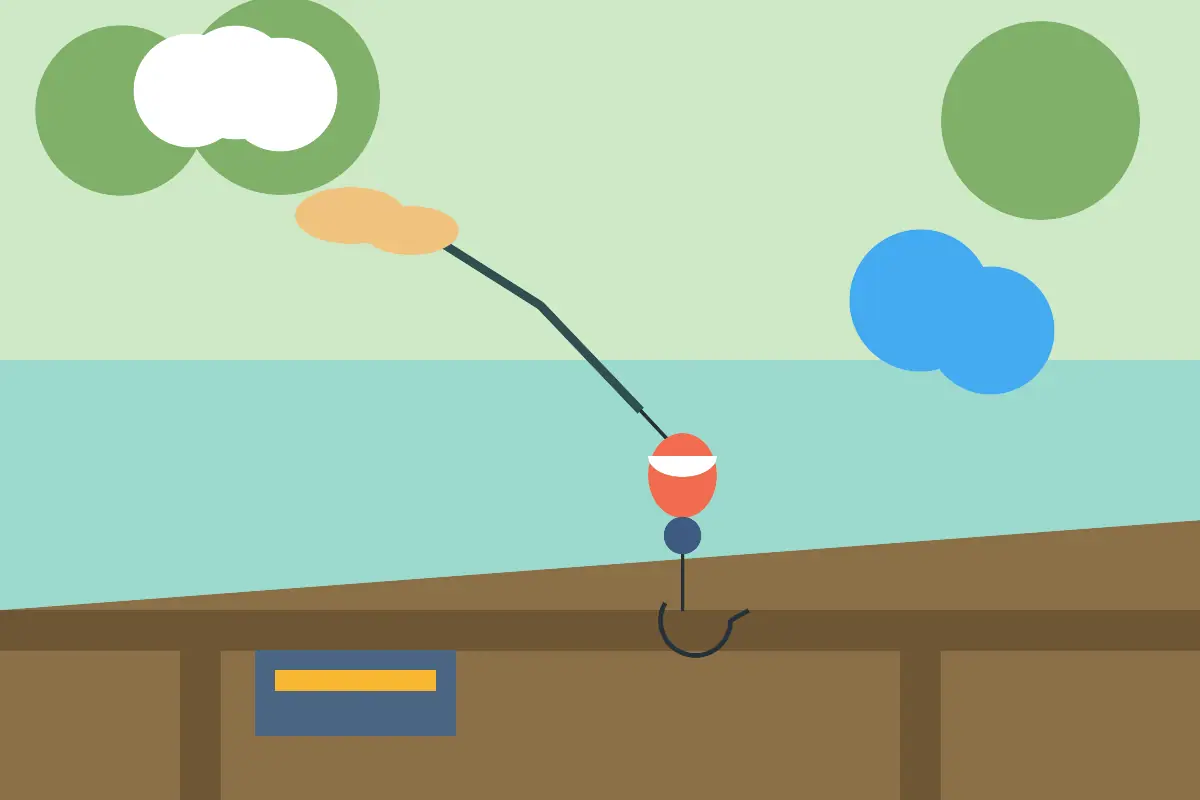
The easiest way to start fishing with minnows is with a bobber rig. Tie on a small bait hook, pinch one or two split shot weights about 8 to 14 inches above the hook, and clip a bobber far enough above the bait to reach the depth you want. In shallow pond water, that might mean two to four feet. Near a dock or deeper bank, you may set it lower.
Use a friendly rod and line setup
A light or medium-light spinning rod is plenty for most beginner minnow fishing. Six- to eight-pound monofilament line is forgiving, easy to tie, and gentle enough for small bait. If you are fishing around heavy weeds or wood, step up only as much as needed so the rig still looks natural.
Keep the hook small and sharp
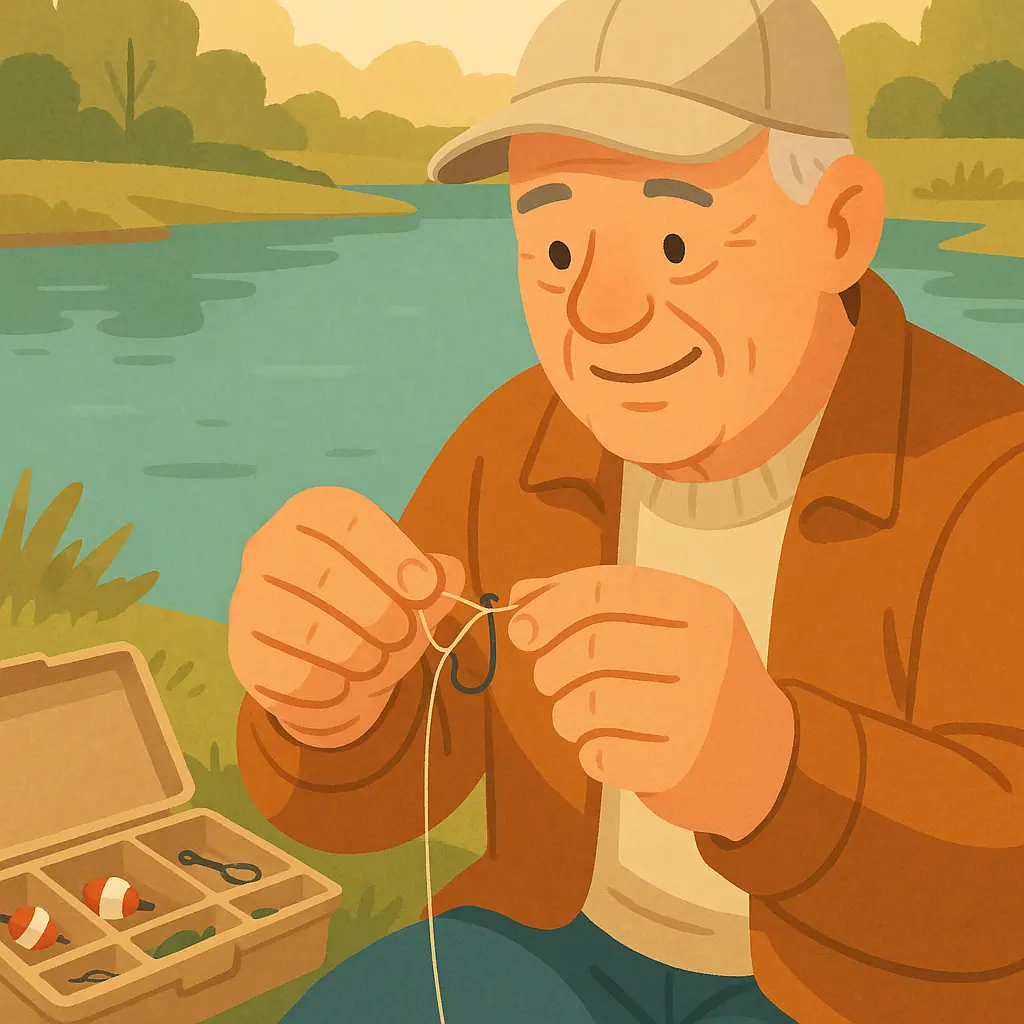
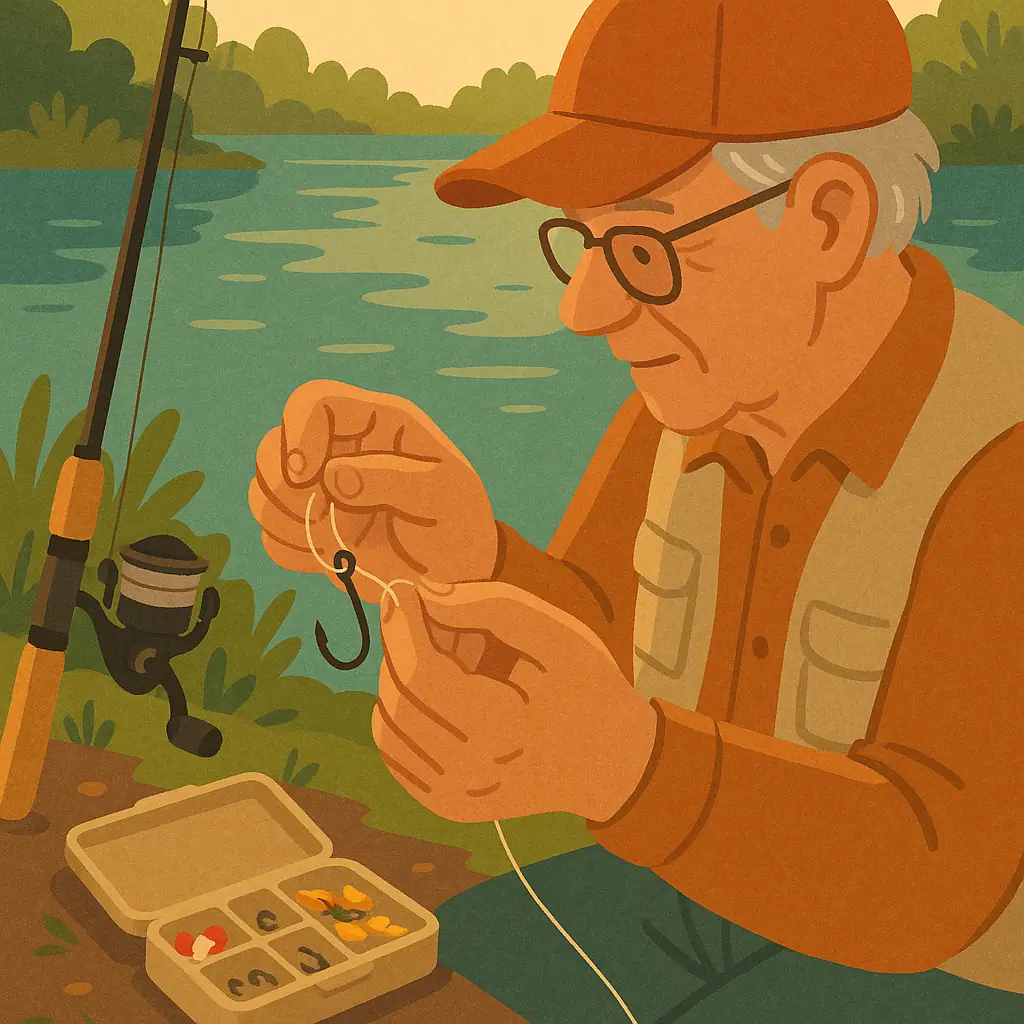
A size 4 to 8 bait hook is a comfortable starting range for many freshwater minnows. Bigger hooks may injure the bait too quickly, while hooks that are too tiny can be hard to handle safely. The hook should match the minnow, not the other way around.
Once a fish takes the bait, do not jerk wildly. Let the fish turn with it, then use a firm lift. Our guide to setting the hook properly explains that calm motion in more detail.
Keep Minnows Alive Before You Cast
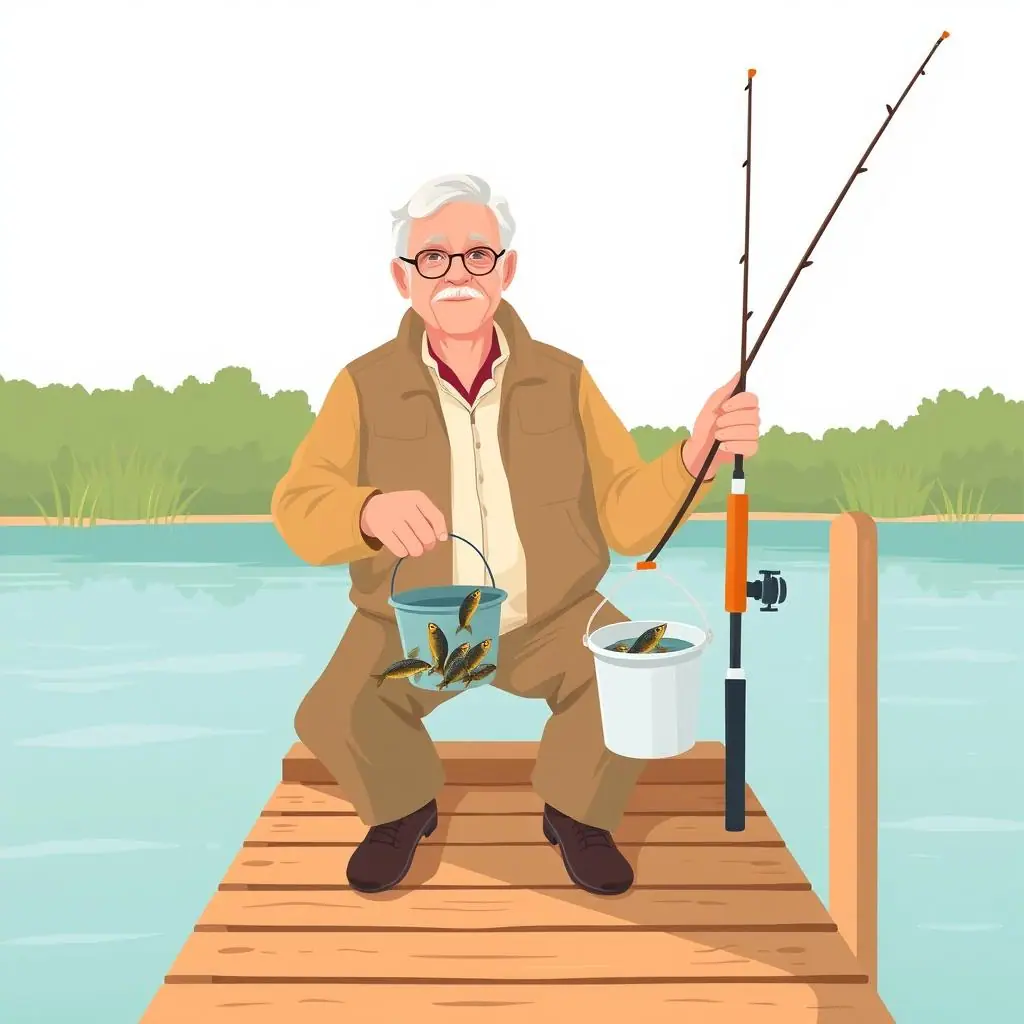
Minnows are more useful when they are lively. Warm water, low oxygen, and rough handling wear them out fast. Keep the bait bucket shaded, avoid crowding too many minnows into a small container, and change water only with care. Sudden temperature changes can shock baitfish.
Use a small aerator if you plan to fish for more than a short outing. If you do not have one, keep the lid on, place the bucket out of direct sun, and handle one minnow at a time. A small dip net is easier on the bait than chasing them around by hand.
Live bait rules vary by state, water body, and managed area. The U.S. Fish and Wildlife Service explains in its general fishing laws guidance that fishing on National Wildlife Refuges follows the state laws and regulations for that state, and your state agency is the place to verify bait rules before you go.
How to Hook a Minnow Without Killing It Quickly
The best hook placement depends on how you are fishing. The main idea is to secure the bait without damaging it more than necessary. Work with wet hands or a small net, keep the minnow low over the bucket or grass, and move slowly around the hook point.
Hook through the lips for slow retrieves
If you are casting gently and retrieving slowly, pass the hook up through the lower lip and out through the upper lip. This keeps the minnow facing forward and helps it track naturally through the water. Do not use a hard cast, because lip-hooked minnows can tear loose.
Hook behind the dorsal fin for bobber fishing
For a bobber rig, hook the minnow lightly through the back just behind the dorsal fin. Stay above the spine. This lets the minnow swim and flutter beneath the float, which is exactly what makes the setup attractive.
Hook near the tail for gentle movement
Tail-hooking can make a minnow kick and struggle in place. It works best when you are fishing nearly still, such as beside a dock or along a calm weed edge. As with every method, check the bait after a few minutes and replace it if it stops moving well.
Where to Fish Minnows from the Bank or Dock
Minnows shine around cover. Bigger fish often wait near shade, dock posts, weeds, rocks, brush, and small drop-offs because those places concentrate food. You do not always need to cast far. Many beginner catches happen close to the bank where baitfish naturally travel.
- Dock corners: Drop a minnow beside posts or shaded edges where fish can hide and watch.
- Weed lines: Cast along the outside edge instead of straight into the thickest plants.
- Inlets and trickles: Moving water can bring oxygen and food, especially in warm weather.
- Rocky banks: Small baitfish use gaps and shadows, and larger fish often patrol nearby.
- Drop-offs: If the bank falls into deeper water, suspend the minnow just above the change.
If fish are active but you want a moving lure instead of live bait, our spinner fishing guide is a good next option. Give the minnow rig its own time first, then switch only after you have checked depth, cover, and bait condition.
Present the Minnow Without Overworking It
The most common beginner mistake is doing too much. A minnow already moves. If you twitch the rod constantly, reel too quickly, or drag the bait through weeds every cast, the rig looks less natural and tangles more often.
Cast gently, let the rings settle, and watch the bobber or line. A small dip, sideways slide, or nervous bobber shake can all mean a fish is inspecting the bait. If the bobber disappears, lift the rod smoothly instead of snapping it over your shoulder.
Pros and Cons of Minnow Fishing
Natural action
A healthy minnow swims, flashes, and struggles in ways that attract many freshwater predators.
Good for simple rigs
You can fish minnows under a bobber, near bottom, or beside dock cover without advanced technique.
Builds confidence
Because the bait does some work for you, minnows help beginners focus on location, depth, and timing.
Needs bait care
Minnows can weaken quickly in warm, crowded, or poorly oxygenated water.
Rules can vary
Some waters restrict live bait, bait transport, or leftover bait disposal, so local rules matter.
A Simple Minnow Fishing Checklist
Before you make the first cast, run through a short checklist. It keeps the trip calm and prevents the little problems that usually slow beginners down.
- License checked: Confirm your fishing license and local bait rules before the trip.
- Bait lively: Minnows should swim actively and stay shaded in clean, cool water.
- Hook matched: Use a small sharp hook that fits the baitfish.
- Depth adjusted: Set the bobber so the minnow swims above weeds, rocks, or bottom debris.
- Cover nearby: Fish the bait near shade, dock posts, weed edges, inlets, or drop-offs.
- Gentle cast: Lob the rig smoothly instead of whipping it hard.
When to Get Extra Help
Ask a local bait shop, park office, or state fish and wildlife agency if you are unsure whether minnows are allowed where you plan to fish. Do not guess on live bait rules, especially when moving bait between waters. Those rules exist to protect local fish populations and prevent unwanted species problems.
Get practical help if your minnows keep dying quickly, flying off the hook, or tangling every cast. Usually the fix is simple: cooler bait water, a smaller hook, less casting force, or a different hook placement.
Frequently Asked Questions
What is the easiest way to fish with minnows?
A bobber rig is the easiest starting point. Hook the minnow behind the dorsal fin, set the depth above weeds or bottom, and let the bait swim naturally.
Do I need to cast far when fishing with minnows?
No. Many fish patrol close to docks, shade, weeds, and bank drop-offs. A short gentle cast near good cover is often better than a long cast into empty water.
How often should I replace the minnow?
Replace it when it stops swimming strongly, looks pale, spins unnaturally, or has been picked at by small fish. Lively bait is the point of the method.
Can I dump leftover minnows into the lake?
No. Do not release leftover live bait unless local rules specifically allow it. Keep bait contained and follow your state or site guidance for disposal.
Final Thoughts
Fishing with minnows is easiest when you keep the whole system simple. Use light gear, care for the bait, hook it gently, and place it close to cover. Then slow down and let the minnow work.
On your next trip, try one calm bobber rig near a dock, weed edge, or shaded bank. Watch the bait, adjust depth before changing everything else, and enjoy the quiet rhythm of live bait fishing.