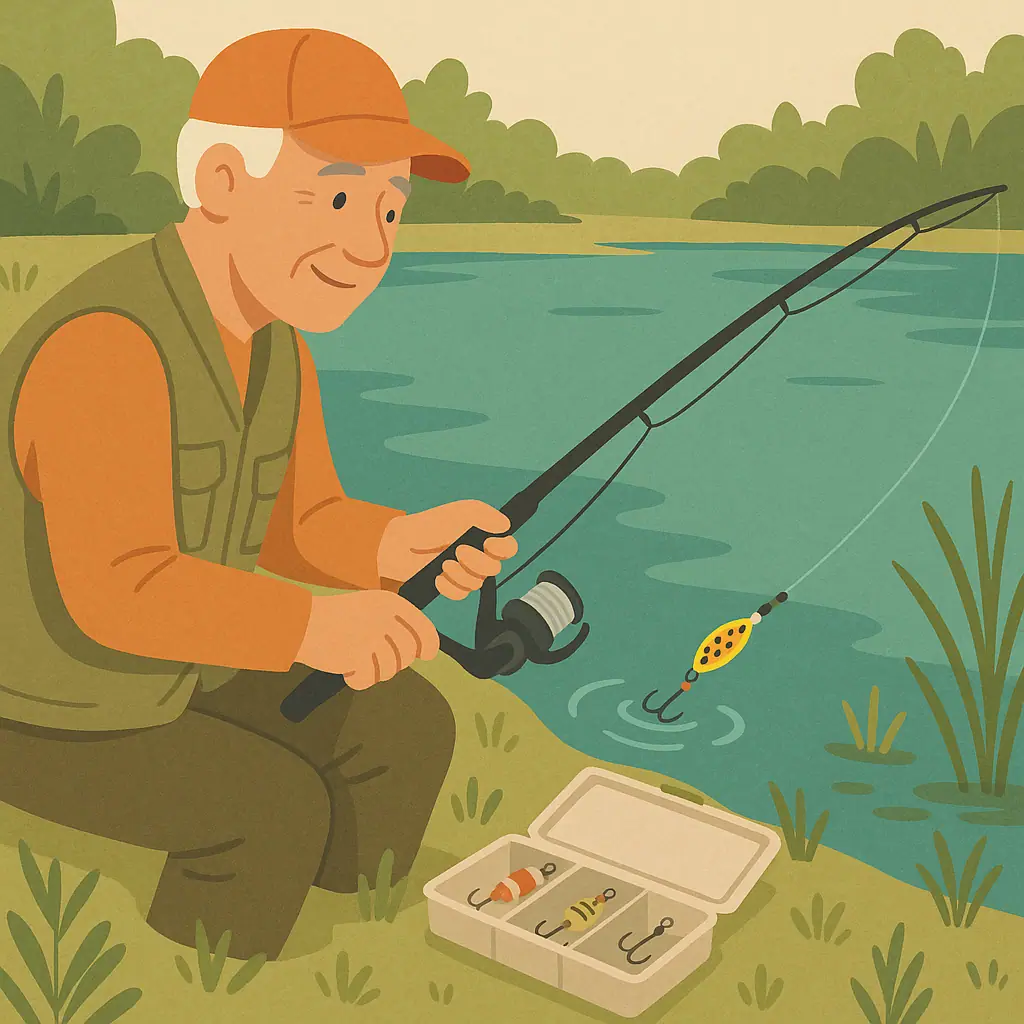
Spinner retrieve for beginners comes down to one friendly idea: make the lure spin, keep it moving naturally, and do not rush it. A spinner already has flash and vibration built in, so your job is not to perform a fancy trick. Your job is to bring it back through the water at a pace a fish can notice and catch.
If you have ever cast a spinner and wondered whether you were reeling too fast, too slow, or doing something wrong, you are in good company. Most new anglers overwork the lure at first. Slow, steady, and simple catches more fish than nervous cranking.
For the bigger picture on this lure style, our spinner fishing guide explains why the blade's flash and vibration can attract bass, panfish, and trout. This article focuses on the retrieve itself, so you can feel more confident after the lure hits the water.
Why Spinner Retrieve for Beginners Matters
A spinner only works well when the blade turns. Reel too slowly and the blade may wobble without spinning. Reel too fast and the lure can rise too high, skip through the strike zone, or look unnatural. The sweet spot is usually a steady pace where the blade thumps lightly and the lure tracks cleanly.
That does not mean every cast has to be perfect. Fish often hit spinners because they are easy to find in stained water, around weeds, or near active fish. Your first goal is to build a dependable retrieve you can repeat without staring at the reel handle.
Start With the Right Freshwater Setup
You do not need specialized equipment to learn a spinner retrieve. A light, medium-light, or medium spinning rod with monofilament line is enough for most beginner freshwater trips. Pair that with a small inline spinner or safety-pin style spinnerbait that matches the fish and water you are fishing.
Choose a comfortable lure size
Smaller spinners are easier for beginners to control and often work well for panfish, trout, and smaller bass. Larger spinnerbaits can help around bass cover, but they also create more pull. If your rod feels overloaded or your wrist gets tired, step down in lure size.
Keep your line and knot simple
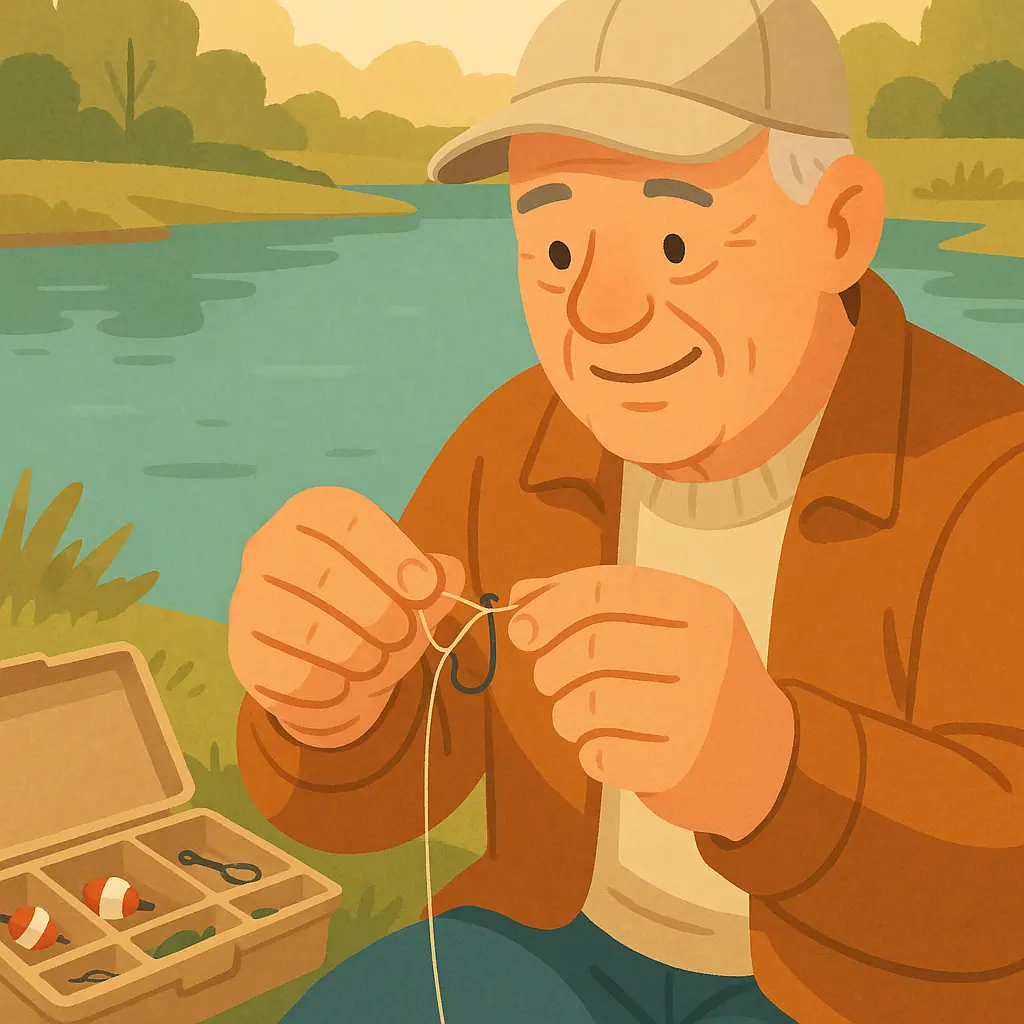
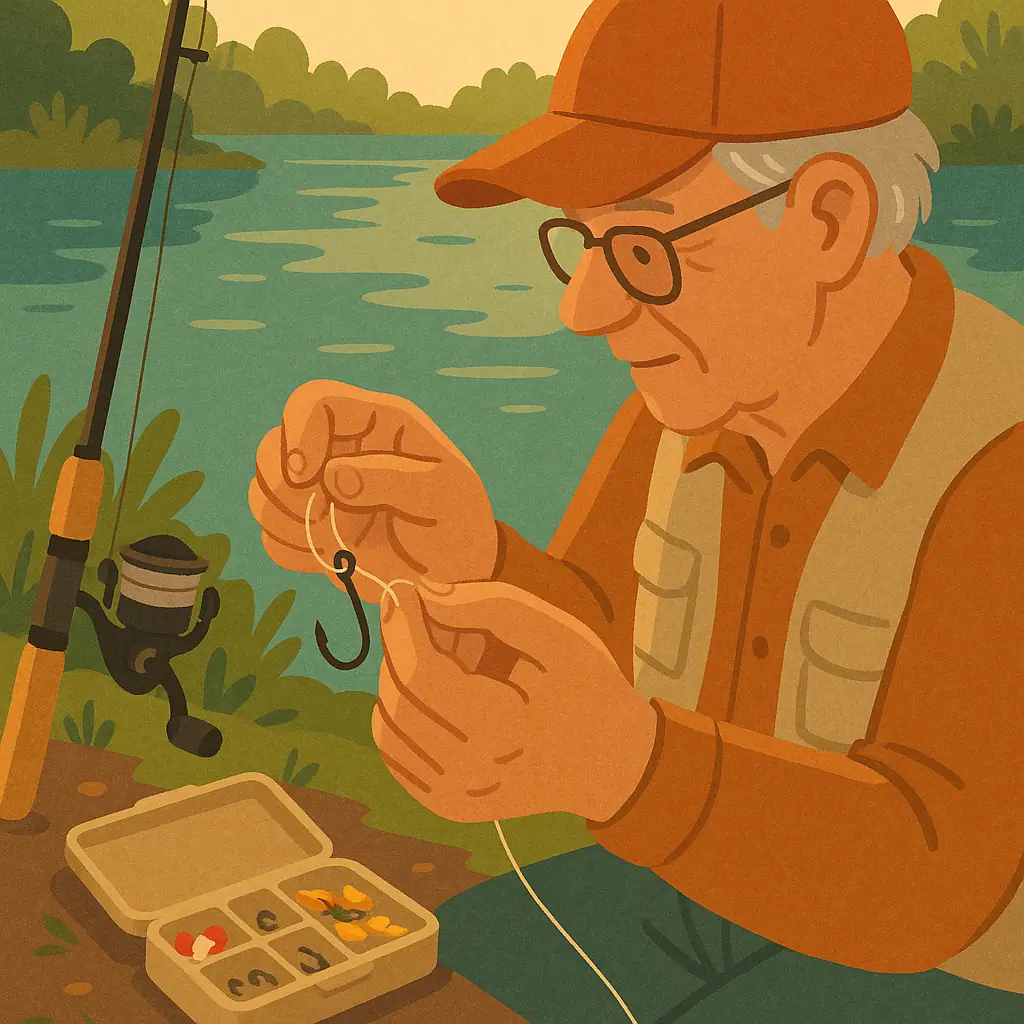
A clean knot helps the lure run straight. If you are still practicing knots, the Palomar knot for beginners is a dependable option for many hooks and lures. Tie carefully, trim the tag end, and check the knot after a snag or hard pull.
What to Check Before You Start Reeling
Before the retrieve begins, give yourself one calm second. Watch where the spinner lands, close the bail by hand if you use a spinning reel, and take up loose line until you feel light contact. This small pause helps prevent loops, slack, and rushed reeling.
Check the water in front of you. If you are casting over shallow weeds, start reeling sooner so the spinner does not bury itself. If you are fishing a deeper edge, let the lure sink a little longer before starting. Count one or two seconds at first, then adjust from there.
Fishing programs and access rules can change by location, especially on public waters. Take Me Fishing, a national boating and fishing education resource, keeps a state-by-state guide for checking local fishing license and regulation details on its fishing with lures guide. That matters before any trip, even when the technique itself is simple.
How to Retrieve a Spinner Step by Step
The best beginner retrieve is repeatable. Try the same smooth pattern for several casts before changing everything. That way, if a fish bites, you know what worked.
- Cast past the target: Aim slightly beyond the weed edge, dock corner, current seam, or open pocket you want to fish.
- Let the lure settle: Pause for a moment in shallow water, or count a little longer if the fish are deeper.
- Start with a smooth turn: Reel steadily until you feel the blade begin to pulse.
- Keep the rod tip low to medium: This helps the spinner stay in the water instead of riding too high.
- Watch the line: If it jumps, stops, or moves sideways, a fish may have hit the lure.
- Finish the retrieve: Keep reeling until the spinner is near shore, dock, or boat because fish often follow late.
When a fish hits, avoid a dramatic hookset. With most spinner bites, a firm sweep or steady lift is enough. If you want more practice reading the moment of contact, our guide on setting the hook properly explains why smooth pressure beats a wild jerk.
Slow, Steady, and Simple Adjustments
Once your basic retrieve feels comfortable, make small adjustments. Change one thing at a time: speed, depth, or casting angle. If you change all three at once, you will not know which part helped.
Speed up only when the lure needs it
If the blade is not turning, speed up slightly until you feel the thump. If the spinner keeps breaking the surface, slow down, lower the rod tip, or let it sink longer before reeling.
Use depth before changing lures
Many beginners swap lures too quickly. Before you change color or size, try counting the spinner down for one, two, or three seconds. A small depth change can put the lure in front of fish that ignored the first cast.
Common Spinner Retrieve Mistakes to Avoid
Most spinner problems are easy to fix. Slow down, watch the lure near the bank when you can, and pay attention to how the rod feels during a good retrieve.
- Reeling too fast: The lure may ride high and leave the best water too quickly.
- Starting with too much slack: Loose line delays blade action and makes bites harder to feel.
- Stopping completely near weeds: A full stop can let the spinner sink into plants or wood.
- Changing lures every cast: Give one spinner enough time to show whether fish are interested.
- Ignoring late follows: Keep the retrieve clean all the way back because fish sometimes strike close.
Spinner retrieves can also help you learn moving-water presentations. If you later try fishing while the boat moves, our trolling for beginners article covers a related idea: consistent lure movement matters more than constant fussing.
Pros and Cons of Spinner Retrieves
Easy to learn
A steady retrieve gives beginners a clear first method without complicated rod movements.
Covers water well
Each cast searches a useful path, which helps you find active fish faster than soaking bait in one spot.
Works for several species
Bass, panfish, and trout may all respond to flash and vibration when conditions are right.
Can snag near cover
Spinners catch fish around weeds and wood, but they can also catch the weeds and wood if you stop too long.
Speed takes practice
Beginners need a few casts to learn what proper blade vibration feels like through the rod.
A Simple Spinner Retrieve Checklist
Use this quick checklist before you blame the lure. Most fixes are small and calm.
- Blade turning: Reel just fast enough to feel a light pulse.
- Rod tip controlled: Keep it low or medium unless you need to lift over cover.
- Slack removed: Take up loose line before the retrieve starts.
- Depth tested: Count the lure down a little longer if fish are not reacting.
- Target clear: Cast along weed edges, dock corners, rocks, or open pockets instead of into the thickest snag.
- Rules checked: Confirm access, license, and local fishing regulations before the trip.
When to Get Extra Help
Ask a local bait shop, park office, or experienced angler if your spinner keeps rolling on its side, twisting line badly, or snagging every cast. The issue may be lure size, line twist, current speed, or casting angle rather than your effort.
Also get local guidance when you fish a new public lake, river, refuge, or park. Posted signs and state fish and wildlife pages are the final word on seasons, limits, access, and lure restrictions. Do not guess when a rule affects where or how you can fish.
Frequently Asked Questions
How fast should a beginner retrieve a spinner?
Start just fast enough to feel the blade vibrate. If the lure rises to the surface, slow down or lower the rod tip. If you feel no blade action, speed up slightly.
Should I pause a spinner during the retrieve?
Short changes in speed can help, but complete pauses near weeds or wood often cause snags. Beginners should master a steady retrieve first.
Why does my spinner keep coming to the surface?
You may be reeling too fast, holding the rod tip too high, or using a spinner that is too light for the depth. Slow down and let it sink a little longer before reeling.
Can I use a spinner from the bank?
Yes. Cast along weed edges, dock shade, rocks, and open pockets. Keep the retrieve steady all the way back because fish can follow close to shore.
Final Thoughts
A good spinner retrieve for beginners is not fancy. It is slow enough to stay in the strike zone, steady enough to keep the blade working, and simple enough to repeat when the first fish bites.
On your next trip, pick one spinner, make several calm casts, and listen for that light blade thump through the rod. Once you can feel it, you are no longer guessing. You are fishing the lure on purpose.