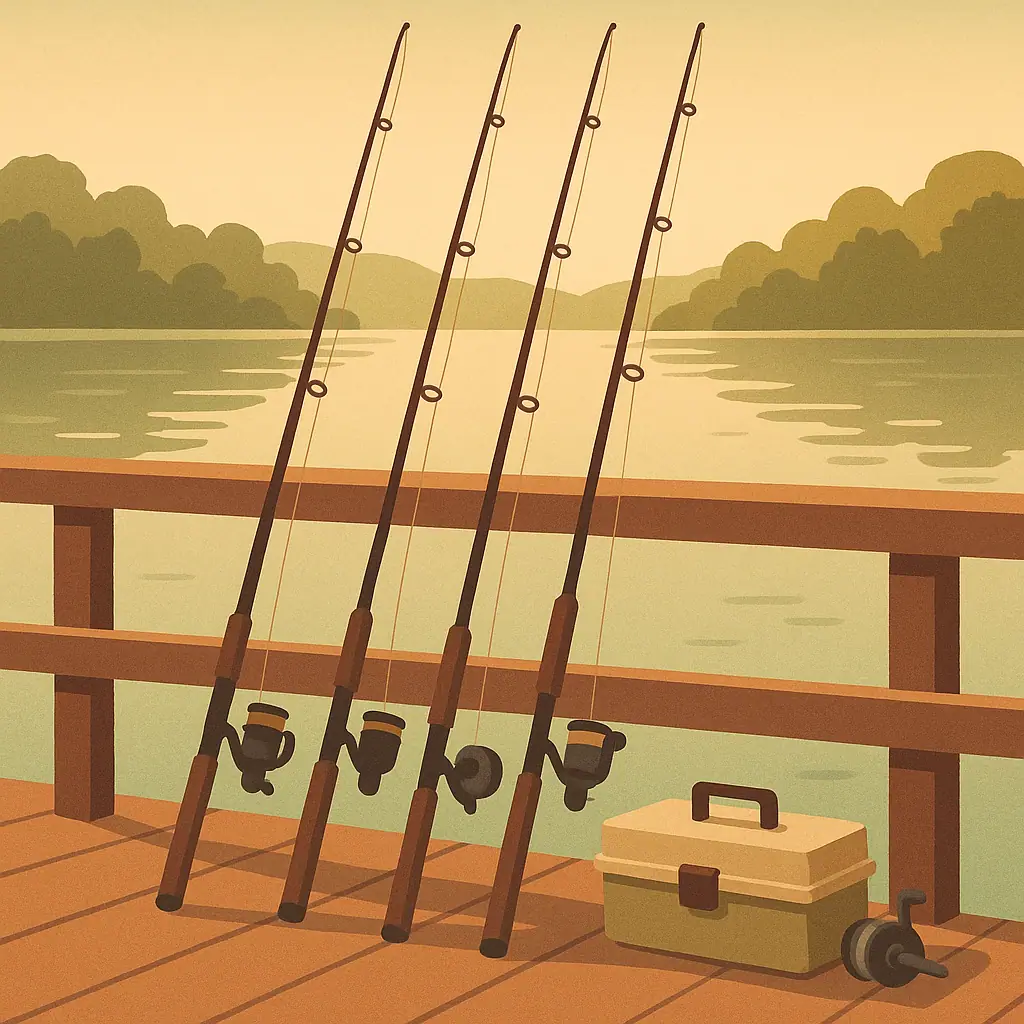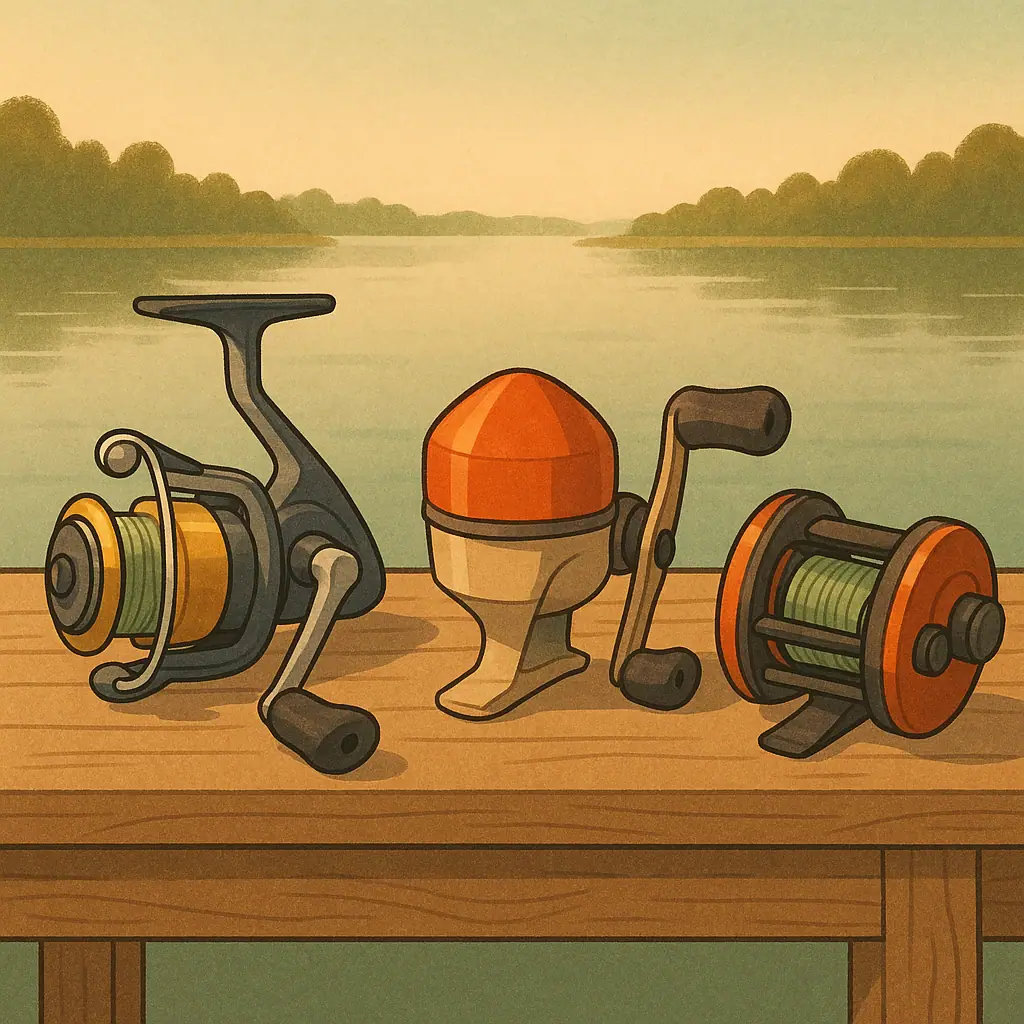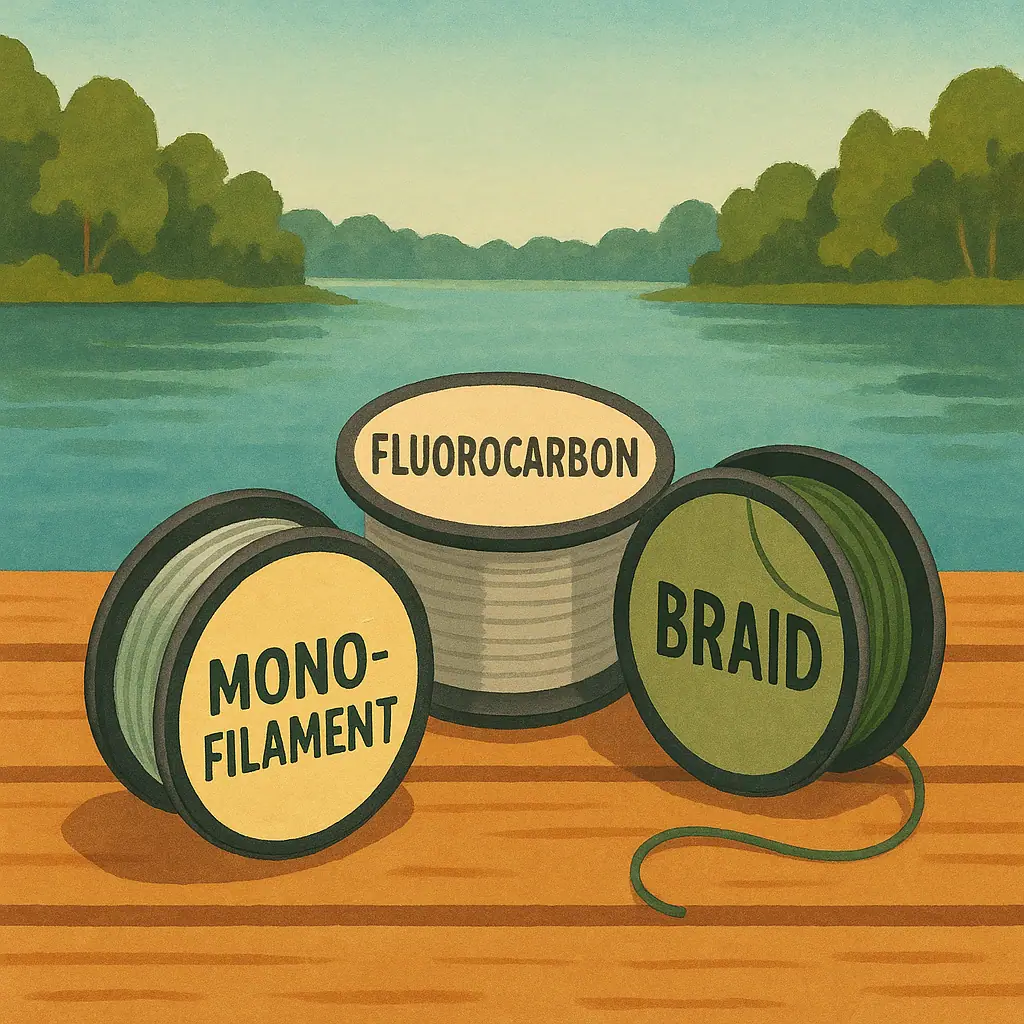
A medium action fishing rod is popular with beginners because it gives you a forgiving middle ground. It bends enough to help protect light line and small hooks, but it still has enough backbone for common freshwater fish like bass, panfish, trout, and smaller catfish.
If rod labels make your head spin, start with this plain idea: action describes where and how much the rod bends when pressure is on the tip. A very fast rod bends mostly near the tip. A slower rod bends deeper. A medium action rod sits between those extremes, which is why it feels friendly on so many first trips.
Why Medium Action Rods Matter
The first fishing rod should help you learn, not punish every small mistake. A medium action rod gives new anglers a little cushion during casting, hook sets, and fish fights. That bend can make the rod feel less jumpy when a bluegill taps the bait or a bass surges near the bank.
Take Me Fishing's beginner gear checklist suggests trying a six or seven-foot medium action rod for a starter setup, and its freshwater equipment guide points to a 7-foot medium action rod paired with a 1000 to 3000 size spinning reel as a practical learning setup. I used those verified beginner gear recommendations as a reference, but your hands and your local water still get the final vote.
Start With the Trips You Actually Take
Before buying a medium action fishing rod, picture your normal fishing day. Are you sitting on a dock with grandkids, walking around a local pond, casting from the bank of a small lake, or tossing worms near shaded cover? The right rod is the one that fits those real moments.
If you are still deciding what length feels comfortable, ReelHow's guide to fishing rod length for beginners pairs naturally with this article. Length and action work together, so do not judge one without the other.
What medium action feels like
When you gently press the tip against light resistance, a medium action rod should bend through the upper part of the blank without folding all the way to the handle. It should feel smooth, not stiff like a broomstick and not floppy like a noodle.
What it does well
Medium action rods handle many beginner presentations: bobbers and worms, small crankbaits, inline spinners, live bait rigs, and basic jigging. That does not mean one rod is perfect for everything. It means one rod can teach you a lot before you know your favorite style.
How to Choose a Medium Action Fishing Rod Step by Step
Do not start with the fanciest rod on the rack. Start with fit, balance, and the type of fishing you will repeat most often.
- Pick up the rod with a reel attached: a bare rod can feel different once a spinning reel is mounted.
- Check the lure rating: choose a rod rated for the sinkers, bobbers, and lures you actually plan to cast.
- Match common fish: medium action suits many bass, stocked trout, panfish, and small catfish outings, but very tiny fish may feel better on lighter tackle.
- Practice a short casting motion: the rod should load smoothly without making your wrist or shoulder feel strained.
- Avoid going too specialized: save extra-fast bass rods, ultralight trout rods, and heavy catfish rods for later if you discover you need them.
A balanced first setup matters more than a single label. The ReelHow guide to best fishing rods for beginners can help you compare the bigger picture before you spend money.
Common Gear Mistakes to Avoid
The first mistake is confusing action with power. Action is how the rod bends. Power is how much strength the rod has. A medium action rod is not automatically a medium power rod, though many beginner combos use both words together.
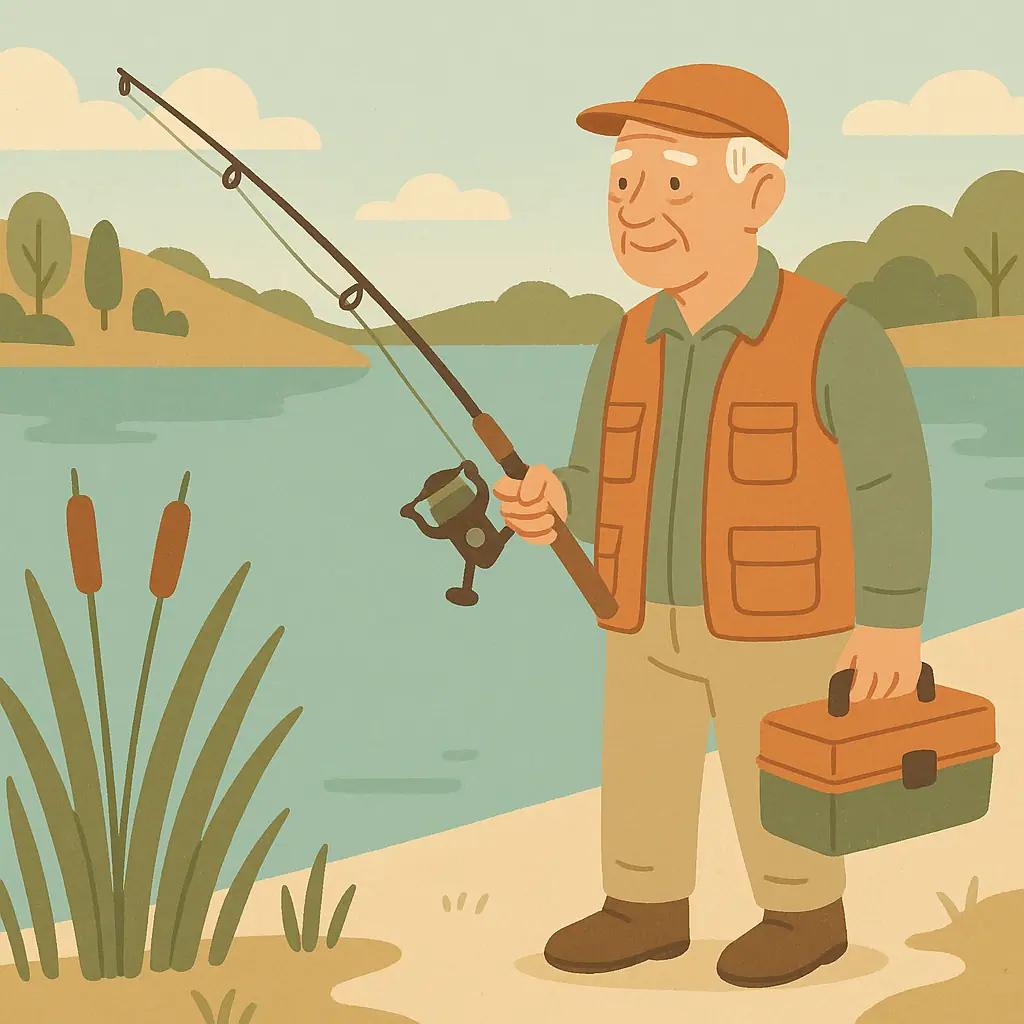
The second mistake is buying a rod only because someone online said it is the best. A strong young angler casting lures all day from a boat may like a different feel than a retired beginner sitting on a dock with a bobber. Comfort is part of performance.
Pros and Cons of Medium Action Rods
Forgiving for beginners
The bend helps smooth out rough casts, sudden hook sets, and quick fish runs while you are still building feel.
Useful with many techniques
Bobbers, worms, small lures, and simple live bait rigs can all work on the right medium action spinning rod.
Good all-around value
One versatile rod can cover several freshwater trips before you decide whether to add a more specialized setup.
Not perfect for tiny presentations
Very small trout flies, micro jigs, or tiny panfish hooks may feel better on ultralight or light tackle.
Not built for heavy work
Big sinkers, heavy cover, large catfish, and powerful river fish may need a stronger rod with more backbone.
A Simple Medium Action Rod Checklist
- Fishing mostly ponds, docks, and small lakes? A medium action spinning rod is worth testing first.
- Using bobbers, worms, small lures, or light sinkers? Check that the rod's lure rating matches those weights.
- Want one starter rod? Choose versatility and comfort before specialty performance.
- Feeling wrist strain in the store? Try a different length, handle, or reel balance.
- Planning heavier catfish or pike trips? Ask a local shop whether medium-heavy power is safer for that water.
- Still building your kit? Keep hooks, line, weights, and pliers simple so the rod is not carrying a confusing setup.
Once the rod choice feels clearer, keep the rest of your gear tidy. A simple tackle system makes it easier to fish more often, and ReelHow's bait and lure storage guide can help keep your first setup from turning into a messy box of mystery hooks.
When to Get Extra Help
Ask a local bait shop, fishing club, park program, or experienced friend if your water has a special need. Some ponds reward light panfish tackle. Some rivers call for heavier line and stronger rods. Some stocked trout lakes are easier with lighter presentations.
You should also check local fishing regulations before heading out, especially when keeping fish, changing states, or fishing a new public water. Rod action is a gear choice; seasons, limits, licenses, and access rules are local responsibilities.
Frequently Asked Questions
Is a medium action fishing rod good for beginners?
Yes, for many general freshwater trips. It is forgiving enough for learning and versatile enough for bobbers, worms, small lures, and common fish.
What is the difference between medium action and medium power?
Action describes how the rod bends. Power describes how strong the rod is. Many beginner rods combine medium action with medium power, but the terms are not the same.
Can I catch bass with a medium action rod?
Yes, many beginner bass situations work well with a medium action spinning rod, especially open-water fishing with modest lures or live bait.
When should I choose something lighter or heavier?
Go lighter for tiny panfish or delicate trout presentations. Go heavier for big catfish, heavy weeds, large lures, strong current, or places where fish can bury into cover.
Final Thoughts
A medium action fishing rod works for so many beginners because it gives you room to learn. It is not the only good choice, but it is one of the friendliest starting points for relaxed freshwater fishing.
Pick up the rod, feel it with a reel attached, and imagine your actual fishing spot. If it casts smoothly, feels balanced, and matches the fish you hope to catch, you are already much closer to a smart first setup.