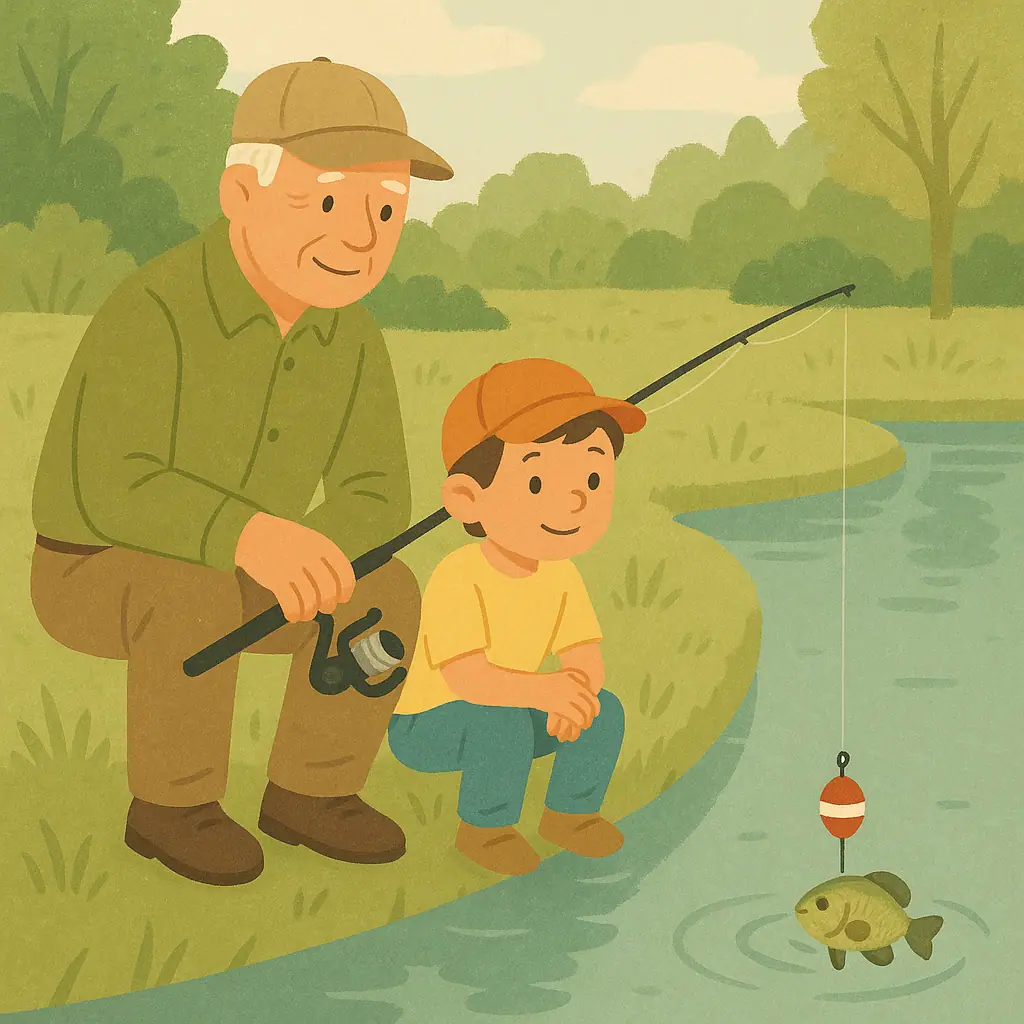
Largemouth bass habits become much easier to understand when you stop thinking like a tournament angler and start thinking like a fish looking for comfort, food, and cover. A bass does not wander every inch of a pond at random. It usually wants a nearby hiding place, a feeding lane, and water that feels right for the season.
For a beginner, that is good news. You do not need to guess across the whole lake. You can begin with visible clues: weeds, shade, docks, fallen wood, points, shallow edges, and deeper water close by. Once you learn those clues, each cast feels more intentional.
Why Largemouth Bass Habits Matter
Largemouth bass are ambush feeders. That simply means they often wait near cover and make short moves toward food instead of cruising in the open all day. If you can spot places where a bass can hide and still reach minnows, bluegill, frogs, insects, or crayfish, you have already narrowed the water.
The Indiana Department of Natural Resources notes that aquatic vegetation and woody debris are important parts of high-quality largemouth bass habitat on its largemouth bass fishing page. For a new angler, that official habitat clue turns into a simple plan: start around green weeds, laydowns, brush piles, standing timber, and docks before you drift into empty-looking water.
Start With the Fish Species Guide Mindset
A fish species guide helps you decide where to cast before you tie on a lure. With largemouth bass, the first question is usually not, "What is the magic bait?" It is, "Where would a bass feel hidden, comfortable, and close to food?"
If you want the wider foundation first, ReelHow's bass fishing for beginners guide explains basic bass tackle, simple presentations, and why bass are such a friendly target for new anglers.
Think comfort, food, and safety
Comfort means water temperature, oxygen, and an easy place to rest. Food means baitfish, small panfish, bugs, frogs, or crayfish. Safety means cover. When all three come together, that spot deserves a few careful casts.
Do not overread one clue
A single stump in very muddy, shallow, hot water may not be as useful as a shaded weed edge near deeper water. Let the clues work together instead of forcing one rule to explain every day.
What to Check First for Largemouth Bass Habits
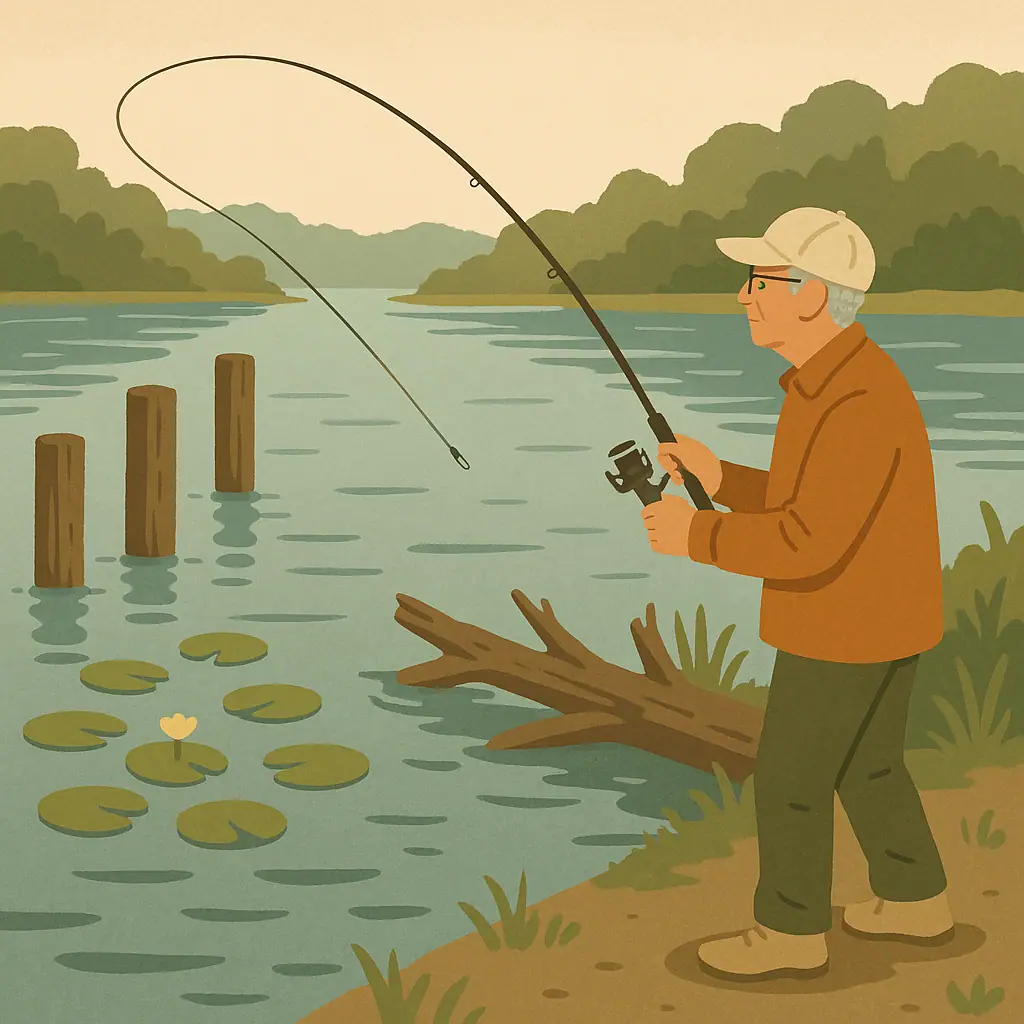
Begin at the bank and scan slowly. Look for anything different from the surrounding water: a dock corner, a patch of lily pads, a grass edge, a fallen tree, a small point, a shaded pocket, or a drop where shallow water fades into deeper water.
Then compare that place with the season. In spring and fall, bass may spend more time shallow. In bright summer afternoons, they may tuck deeper into shade, weeds, or nearby depth. On calm low-light mornings, they may roam closer to the bank to feed.
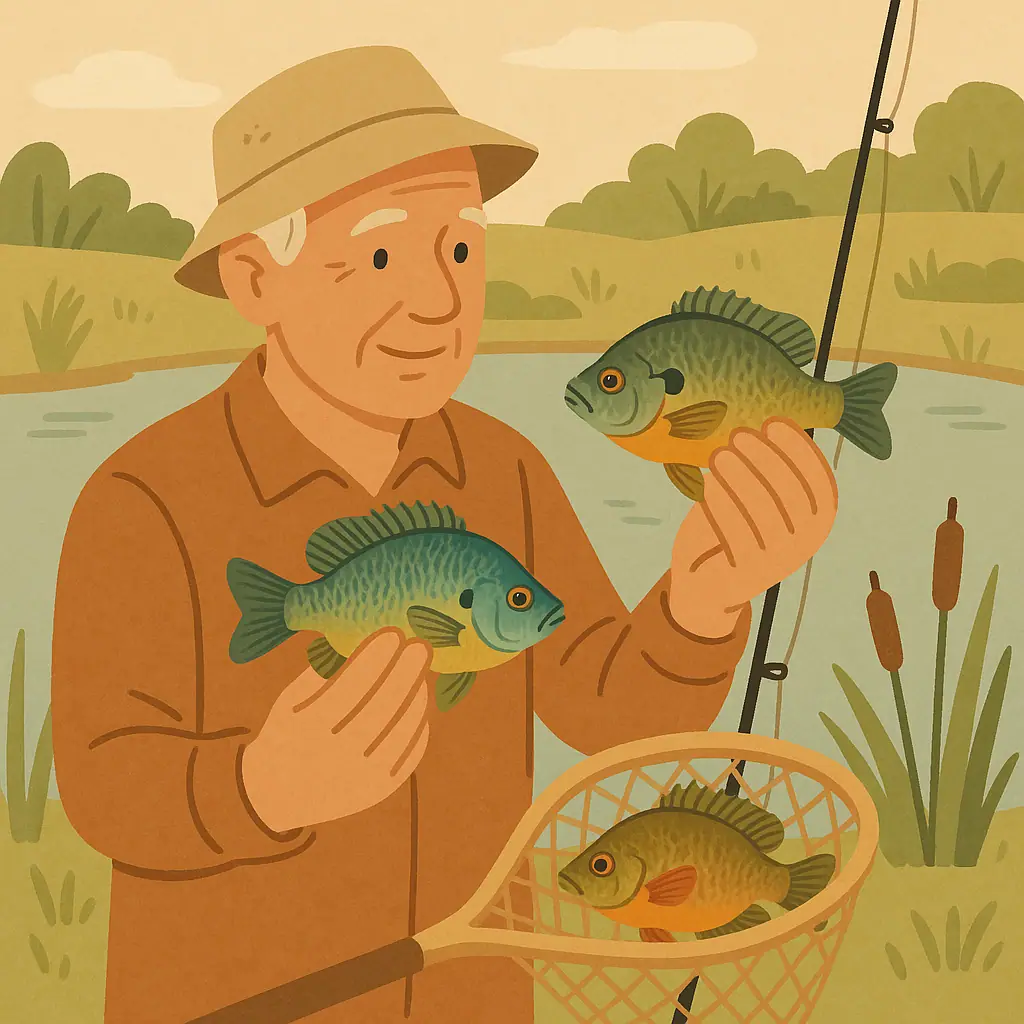
Identification also helps. When you catch a bass, check the mouth size, body shape, and color pattern so you know what you are learning from the fish. ReelHow's fish identification guide can help beginners build that habit without turning the trip into a science test.
How to Find Largemouth Bass Step by Step
- Choose one manageable area: start with a pond corner, a dock line, a weed edge, or a short stretch of bank instead of trying to fish everything.
- Find cover you can cast to safely: weeds, wood, brush, dock posts, and shaded banks are all good beginner targets when access is legal and footing is steady.
- Look for nearby depth: shallow cover is better when deeper water is close enough for fish to slide back if conditions change.
- Make quiet first casts: cast past the target if possible, then bring the lure beside the cover instead of landing directly on top of it.
- Try a simple lure or bait: a soft plastic worm, small spinnerbait, weedless rig, or live worm near the edge can all teach you how bass react.
- Change speed before changing spots: retrieve slower, pause longer, or let the bait fall beside cover before you decide no fish are there.
- Keep notes: write down where the bite happened, what the cover looked like, and whether the fish came from shade, weeds, wood, or open water nearby.
Common Largemouth Bass Mistakes to Avoid
The first mistake is casting only to the middle. Open water can hold fish, but beginners usually learn faster by working visible targets. A dock post or weed edge gives your cast a purpose.
The second mistake is moving too quickly. If a spot has shade, cover, and nearby depth, give it several careful casts from different angles. Bass may not respond to the first pass, especially if your lure moves too fast.
The third mistake is using tackle that hangs up constantly. Heavy weeds and wood may require a weedless hook, a Texas-rigged soft plastic, or a lure that comes through cover cleanly. If every cast gets stuck, simplify the rig before blaming the spot.
A Simple Checklist for Your First Bass Search
- Cover: weeds, wood, brush, docks, rocks, lily pads, or shade.
- Food clue: minnows flickering, bluegill near the edge, insects, frogs, or birds watching shallow water.
- Depth clue: a point, channel edge, dock end, weed edge, or bank that drops faster than the rest.
- Season clue: shallow in mild low-light periods, tighter to shade or depth in bright heat.
- Access clue: legal entry, stable footing, room to cast, and a safe place to land a fish.
Pros and Cons of Targeting Largemouth Bass
Visible clues help beginners
Docks, weeds, shade, and wood give new anglers clear places to aim their casts.
Many simple lures work
Soft plastics, spinnerbaits, worms, and basic weedless rigs can all catch bass when presented near cover.
Exciting strikes build confidence
A largemouth bite can be easy to feel, and even modest fish fight well on beginner spinning gear.
Cover can snag your line
The same weeds and branches that hold bass can also catch hooks, so simple weedless setups help.
Bright days can slow action
Bass may tuck into shade or deeper edges when the sun is high, requiring slower and more patient casts.
When to Get Extra Help
Get extra help when you are unsure about seasons, size limits, harvest rules, access rules, or whether a water body has special bass regulations. Those rules can change by state, lake, river, and date. Check your state fish and wildlife agency before keeping fish or fishing unfamiliar water.
A local bait shop can also help you match your lure to the cover you are seeing. Ask a specific question, such as, "I am fishing shallow weeds from shore for largemouth bass. What simple rig comes through cleanly?" Specific questions usually get better answers than asking for the best bait overall.
Frequently Asked Questions
What should I check first when looking for largemouth bass?
Start with cover. Weeds, wood, brush, docks, shade, and nearby depth give bass places to hide and feed.
Do largemouth bass always stay shallow?
No. They often use shallow cover, especially in mild conditions, but bright heat, cold fronts, pressure, or seasonal changes can push them toward shade or deeper edges.
What lure should a beginner try first?
A soft plastic worm, small spinnerbait, or simple weedless rig is a sensible start. Pick one and learn how it feels around cover.
What should I do if I am not sure about local bass rules?
Release the fish carefully and check your state regulations before the next trip. When rules are unclear, do not guess.
Final Thoughts
Largemouth bass habits are not mysterious once you slow down and read the water. Look for cover, food, shade, and nearby depth. Make quiet casts, fish the spot from a couple of angles, and let each bite teach you what the bass were using that day.
On your next trip, choose one shoreline with three visible targets and fish them carefully for an hour. That small plan will teach you more than wandering the whole lake with no pattern.