Panfish fishing for beginners is one of the friendliest ways to build confidence with a rod in your hand. These smaller freshwater fish are common in ponds, lakes, and quiet coves, and they often bite close enough to shore that you do not need a boat, long casts, or a garage full of gear.
Think of panfish as the practice field of freshwater fishing. Bluegill, sunfish, perch, and crappie can teach you how to watch a bobber, feel a light bite, handle a fish gently, and reset your bait without turning the day into a big production.
Why This Matters
Many new anglers think success has to mean a big bass or catfish. That can make the first trips feel more serious than they need to be. Panfish give beginners a calmer path because they are usually willing to bite simple baits, especially around shoreline cover.
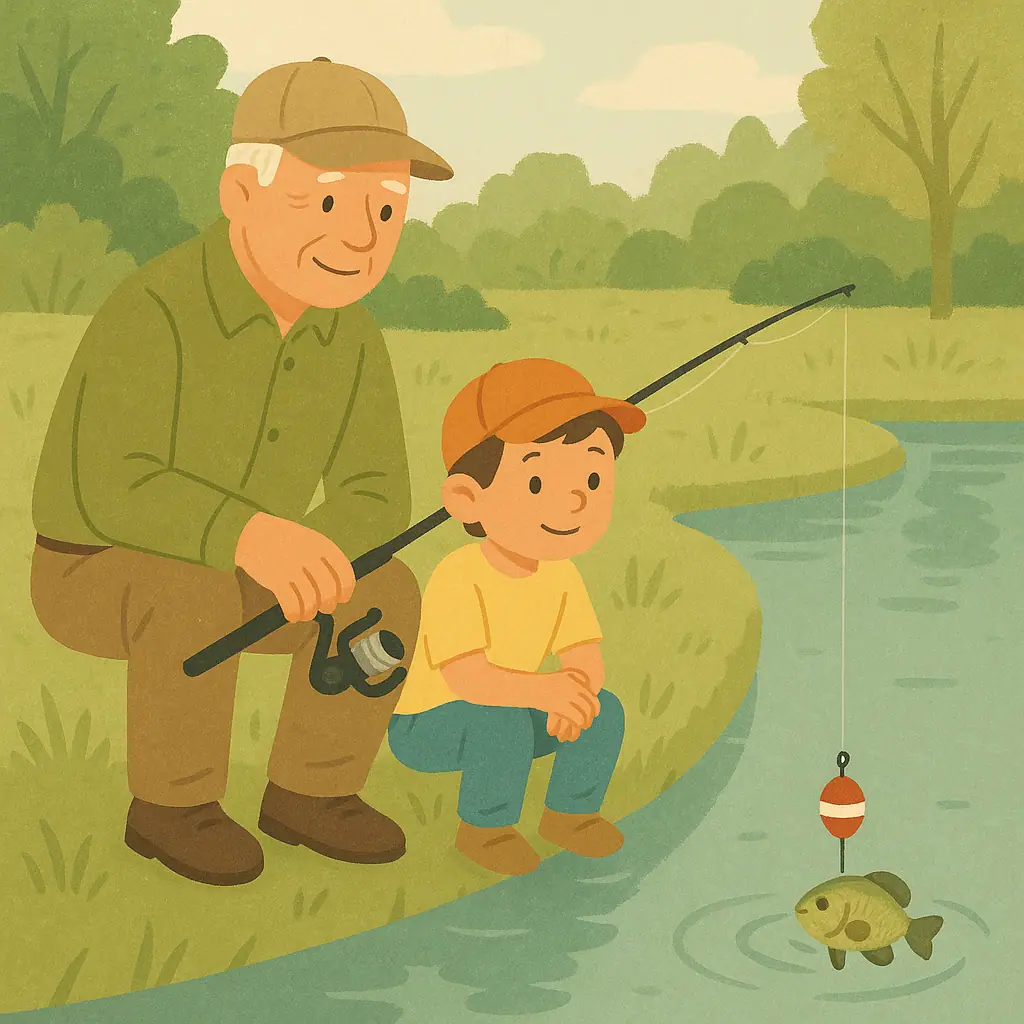
If you are helping a spouse, friend, or grandchild learn, panfish also keep the mood light. There is less waiting, less heavy equipment, and more chances to practice the basic moves that matter later: casting, watching the line, setting the hook gently, and releasing fish with care.
Start With a Simple Fish Species Guide Mindset
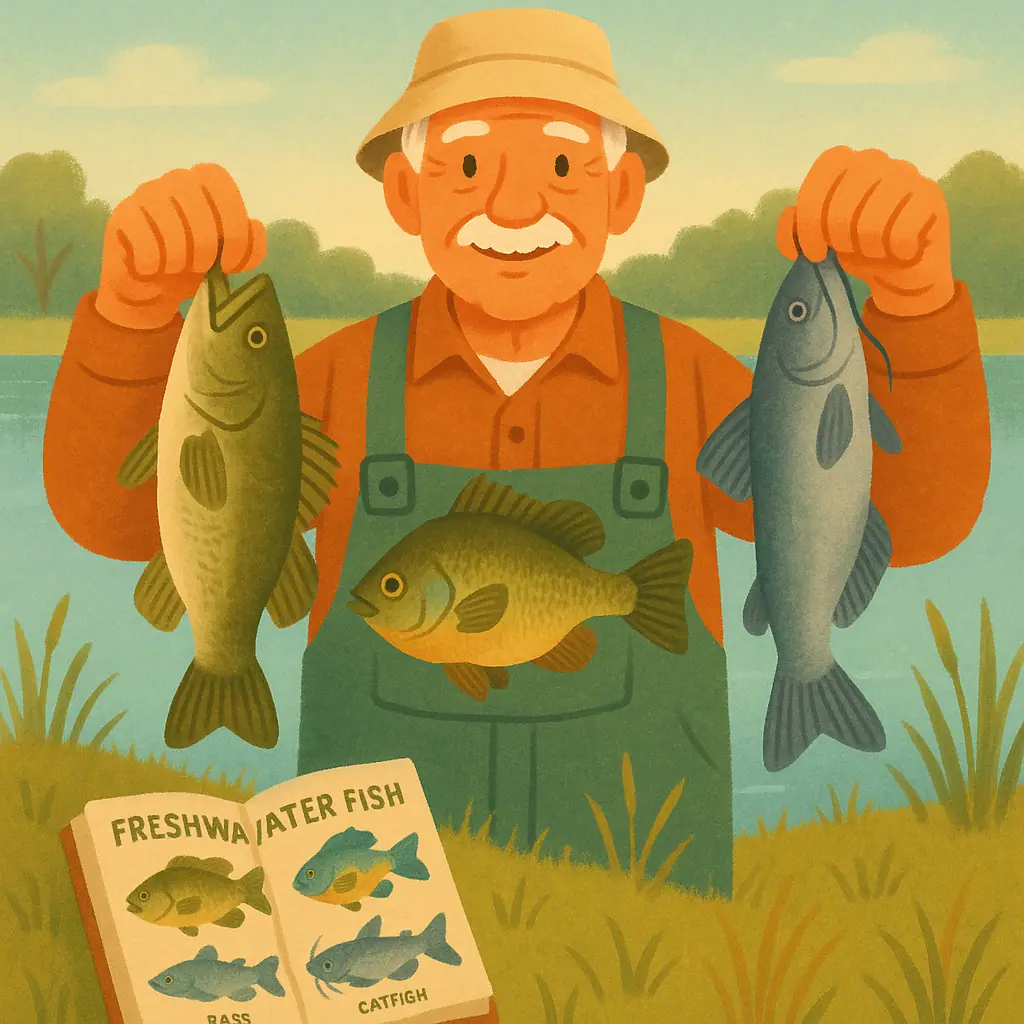
Panfish is a friendly umbrella term, not one single species. In everyday fishing talk it often includes bluegill, other sunfish, perch, and crappie. The exact fish in your local pond will depend on your region, water quality, and stocking history.
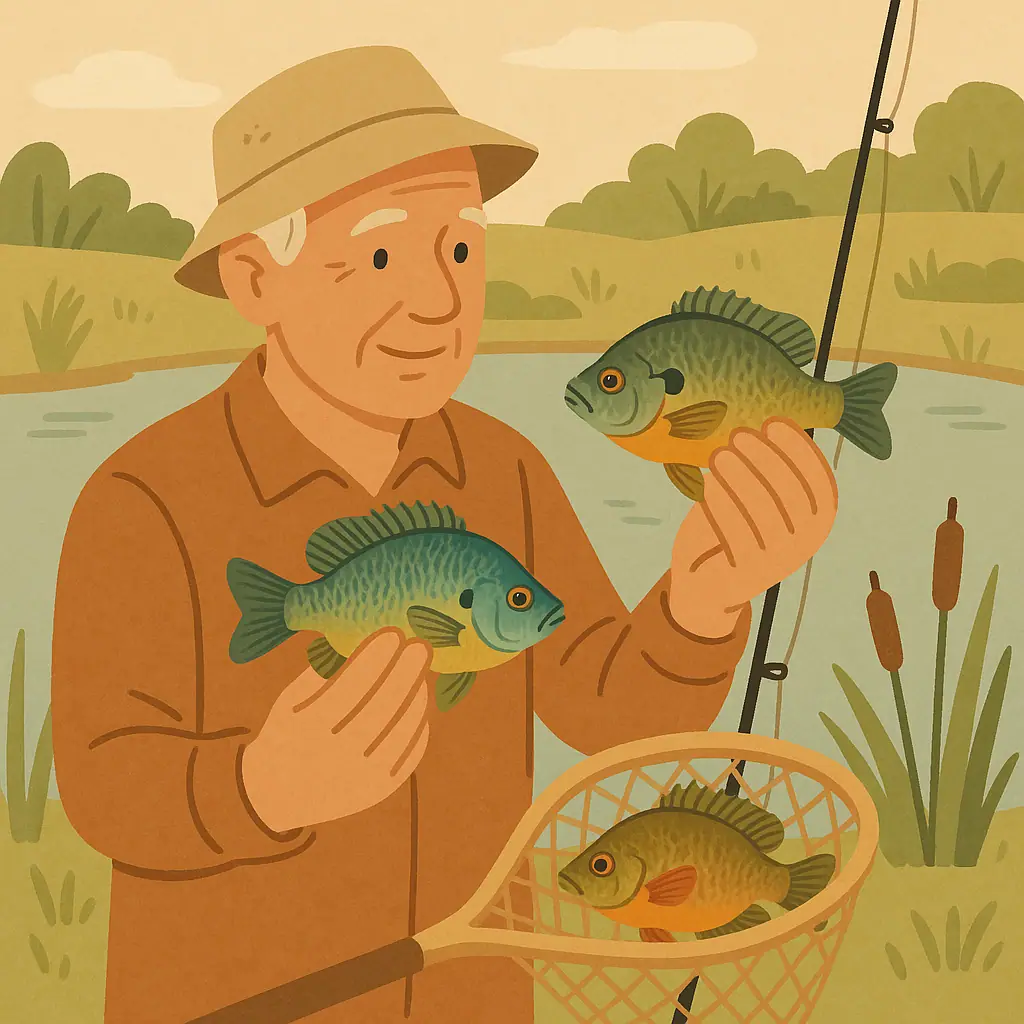
For a deeper look at one of the easiest starter species, ReelHow's guide to bluegill fishing for new anglers is a helpful next read. Bluegill are often the first panfish many beginners learn because they are common, curious, and found close to docks, weeds, and shaded banks.
Choose the Best Pond Bank Location
From the bank, look for places where panfish can hide but still reach food. Shade lines, weed edges, small docks, fallen branches, and gentle drop-offs are all worth a quiet cast. You do not need to cover the whole pond. Pick one good-looking area and fish it patiently for ten or fifteen minutes.
Inlets and small trickles of moving water can also attract fish because they bring cooler water, insects, and oxygen. Approach slowly, keep your shadow off the water when you can, and avoid stomping near the edge. Panfish are small, but they still notice sudden movement.
Use Simple Gear That Works From Shore
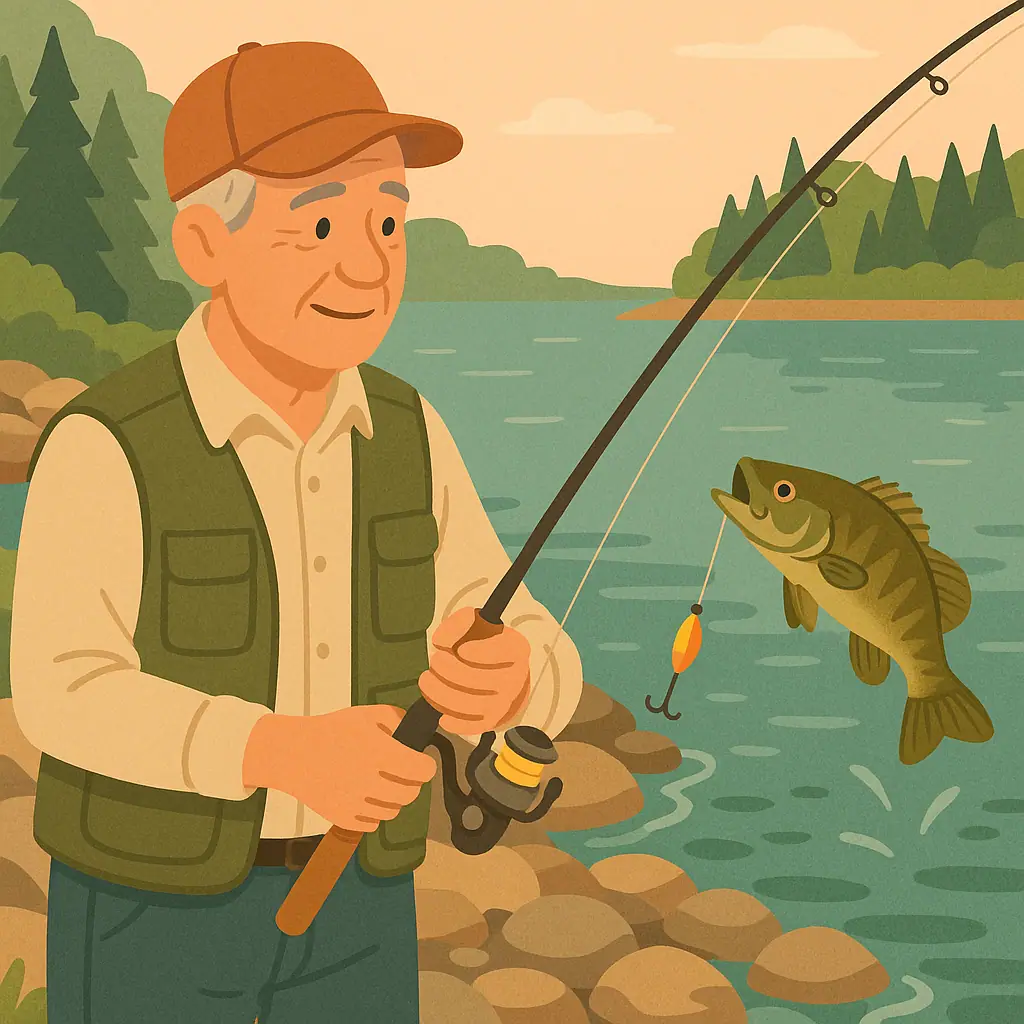
A light or ultralight spinning rod is plenty for most panfish fishing for beginners. Pair it with light line, a few small hooks, split shot, and a bobber you can see easily. A small tackle box with just the basics is better than a crowded box that makes every decision feel complicated.
If your local water has yellow perch, this article on perch fishing for small-fish fun can help you compare another approachable panfish-style target. Perch often respond well to small baits near bottom or weed edges, which gives beginners another simple pattern to try.
Pick Baits for Pond Fish
Worms are the classic starting point because they are easy to find, easy to fish, and attractive to many small freshwater fish. Use a small piece instead of a whole long worm. If too much bait hangs past the hook, panfish can peck it off without getting hooked.
Small jigs, tiny soft plastics, and little pieces of bread or corn may also work in some places, but local rules matter. Before using any bait you are unsure about, check your state fishing regulations and the rules for the pond, park, or refuge you are visiting. The U.S. Fish & Wildlife Service has a useful fishing license starting point that can lead you toward state requirements.
Stay Safe While Fishing From the Bank
Bank fishing looks simple, but footing deserves respect. Mud, wet grass, loose rocks, and sloped pond edges can surprise you. Wear shoes with grip, keep your tackle close enough that you are not reaching awkwardly, and avoid standing right on a crumbling edge.
Hooks are another small safety habit. Pinch split shot and handle hooks slowly, especially when fishing with kids. Keep pliers handy, wear sunglasses for eye protection, and step back from others before casting. A relaxed pace is safer and usually helps you fish better.
Fish the Right Times of Day
Early morning and evening are often comfortable times to try because the light is lower and the air may be cooler. Panfish can still bite during the day, especially in shade, but bright sun may push them tighter to cover or slightly deeper water.
Season matters too. In warmer months, a shaded bank can be more productive and more comfortable. In cooler periods, sunny shallows may warm faster. Keep notes on where you get bites, because your own pond will teach you more than any general rule.
A Simple Checklist
- Pick one easy spot: shade, weeds, a dock, or a gentle drop-off close to shore.
- Use small bait: a short worm piece or tiny jig is easier for panfish to take cleanly.
- Watch the bobber: look for sideways movement, steady dipping, or a clear pull under.
- Set gently: lift the rod with control instead of swinging hard.
- Reset often: check bait after missed bites and move a few feet if nothing happens.
Pros and Cons of Starting With Panfish
Frequent feedback
More bites mean more chances to learn timing, bait size, and gentle hooksets.
Simple tackle
A basic spinning rod, bobber, small hooks, and worms can be enough for a good first trip.
Family friendly pace
Short casts and nearby fish make it easier to help kids, spouses, or older beginners.
Small bait disappears fast
Panfish can nibble bait off the hook, so you may need to rebait often.
Local rules still apply
Even small fish can have seasons, limits, or bait rules depending on where you fish.
When to Get Extra Help
If you are getting constant nibbles but no hookups, ask a local bait shop or experienced angler about hook size. The fix may be as simple as using a smaller hook, trimming the bait, or moving the split shot a little farther from the hook.
Get extra help before guessing about regulations. Some ponds have special rules, and public lands may have both state and site-specific requirements. If you are unsure, check the posted signs, the state wildlife agency, or the park office before you cast.
Frequently Asked Questions
What is the easiest bait for pond bank fishing?
A small piece of worm under a bobber is one of the easiest starting setups. Check local rules before using bread, corn, minnows, or other baits.
Do I need a long cast from the bank?
No. Many panfish hold close to weeds, docks, shade, and shoreline cover. A short accurate cast often beats a long random one.
What time should I fish a small pond?
Early morning and evening are comfortable first choices, but shaded areas can produce during the day. Weather and season can change the pattern.
How do I avoid snagging from shore?
Cast along the edges of weeds or wood instead of deep into them. Use lighter rigs, retrieve slowly, and move your angle before pulling hard.
Final Thoughts
Panfish fishing for beginners is not about proving anything. It is about learning the little skills that make fishing more enjoyable: choosing a calm spot, using simple gear, reading a bobber, and handling each catch with care.
Start with one pond, one simple rig, and one relaxed hour. If the panfish cooperate, you will leave with more confidence. If they do not, you will still learn where to stand, what to adjust, and what to try on the next easy trip.