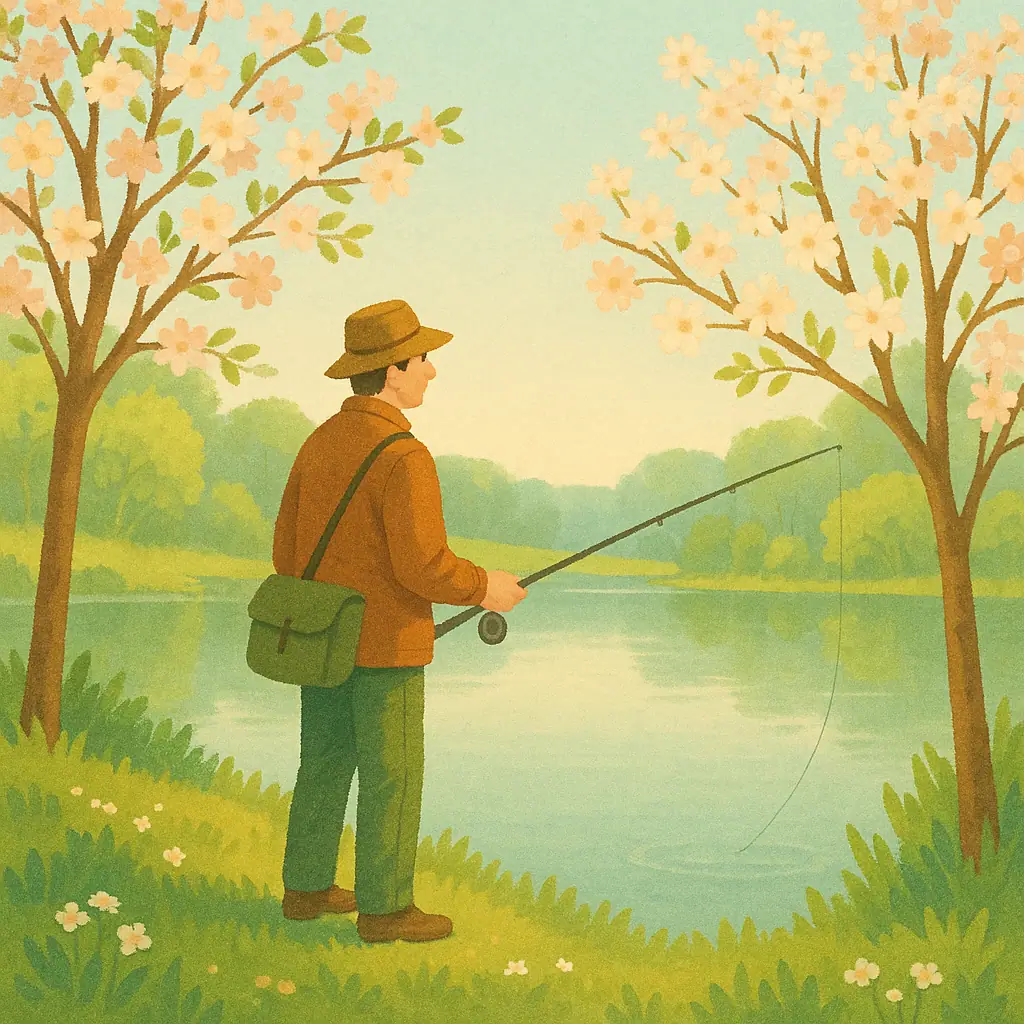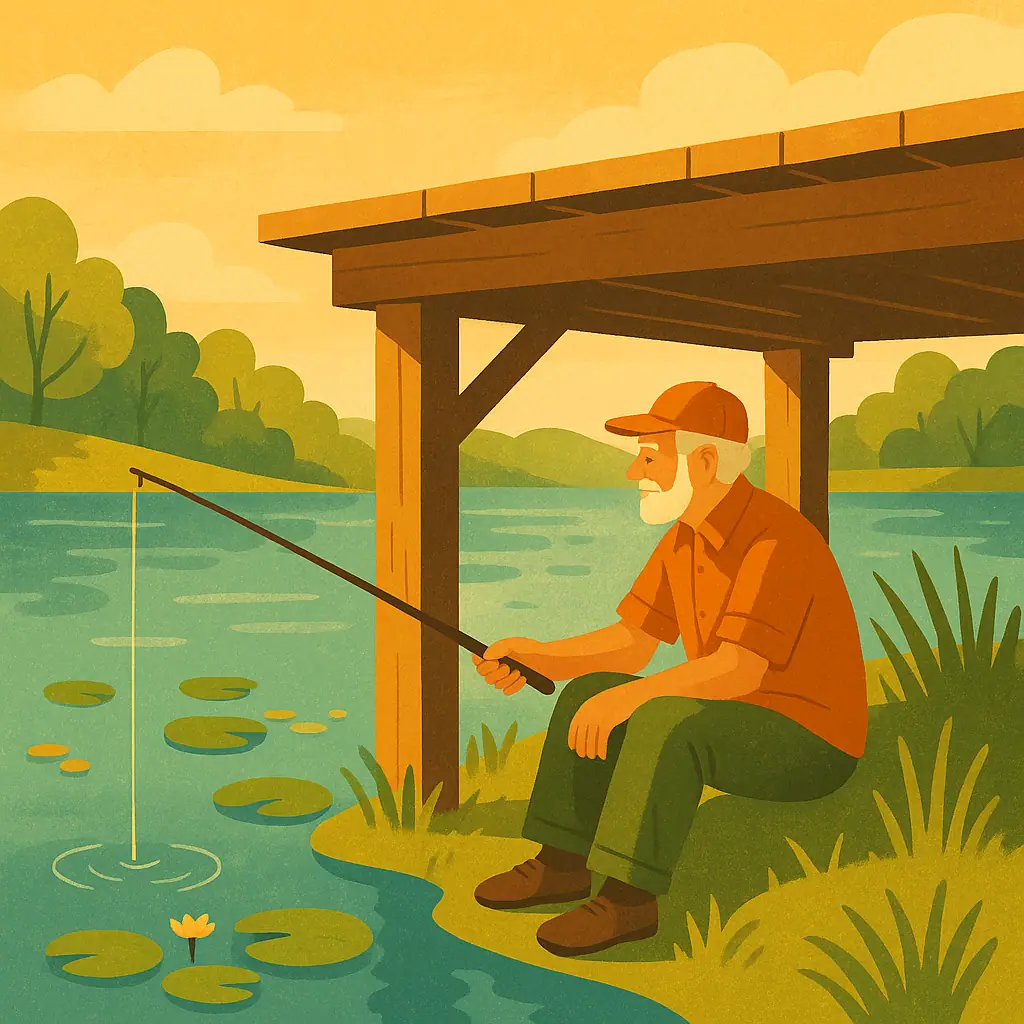
Shallow water fishing is one of the friendliest ways for beginners to find action because the best spots are often close enough to see. You do not need a boat, electronics, or a long cast to start learning. A quiet bank, a dock corner, a weed edge, or a sunny flat can teach you a lot.
The trick is knowing which shallow water is worth your time. Not every skinny stretch holds fish all day, but the right shallow area can bring bluegill, bass, crappie, catfish, and stocked trout within easy casting range.
Why Shallow Water Fishing Helps Beginners
Shallow water gives you feedback. You can see minnows flicker, insects land, weeds move, bluegill beds appear, and small fish scatter. That visible activity helps beginners connect what they see with what they catch.
It also keeps the setup simple. A worm under a bobber, a small jig, a spinner, or a lightly weighted bait can cover many shallow areas without complicated rigging. You can make short, accurate casts instead of trying to reach the far side of the pond.
Shallow water changes through the seasons. If you want a seasonal starting point, ReelHow's guide to late spring fishing tips explains why fish often become easier to find when warmer shallows come alive.
Start With Visible Edges
The best shallow water usually has an edge. Fish like edges because they offer food, shade, safety, and a quick escape route. For a beginner, edges also make the water easier to read.
Look for cover close to depth
A shallow flat beside slightly deeper water is better than a plain shallow bowl. Fish can slide up to feed and drop back when bright sun, noise, or temperature makes them uncomfortable. Docks, weed lines, rocks, laydowns, bridge shade, and bank corners all create useful edges.
Watch for life before casting
Take one quiet minute before your first cast. Look for minnows, dimples, insects, birds working the bank, or bluegill pecking near the surface. You are not looking for a perfect sign. You are looking for enough life to make the spot worth a few careful casts.
Choose the Right Shallow Water for the Day
Shallow water can be excellent in the morning, evening, cloudy weather, spring warming periods, and anytime baitfish or insects are active near the bank. It can be tougher under bright midday sun when water is clear and fish feel exposed.
In early spring, the best shallow water is often the warmest pocket with dark bottom, protected wind, or afternoon sun. The article on early spring pond fishing gives a helpful example of how small temperature changes can make one pond corner better than another.
As summer heat builds, shallow water still works, but timing matters more. Fish may use shade, weeds, undercut banks, or the first drop-off rather than sitting in open ankle-deep water all afternoon.
How to Fish Shallow Water Step by Step
A good shallow water plan is quiet, simple, and repeatable. Think of it as sneaking up on the spot instead of announcing yourself to every fish near the bank.
- Stop short of the edge. Stand a few steps back and look before walking right to the water.
- Make the closest cast first. Fish near your feet may spook if your first cast splashes across the whole area.
- Use a simple bait. A worm under a bobber, small jig, beetle spin, or live bait where legal can all work.
- Fish parallel when possible. Casting along the bank keeps your bait in the productive zone longer.
- Move slowly. If nothing happens after a few careful casts, shift a short distance instead of changing everything.
- Check your footing. Shallow banks can be muddy, slick, or undercut, especially after rain.
The U.S. Fish & Wildlife Service beginner guide lists basic freshwater gear such as a rod and reel, monofilament line, hooks, weights, a bobber, and bait or lures. It also reminds anglers to check local fishing laws and bait rules before heading out: A Guide to Fishing for the First Time.
That official reminder is especially useful in shallow water because many easy bank spots sit in parks, refuges, community lakes, or managed ponds. Access, size limits, harvest limits, and bait rules can vary, so check the local rules instead of guessing.
Best Beginner Baits for Shallow Water
You do not need a full tackle wall to fish shallow water. Start with baits that land softly, move naturally, and can be worked around cover without constant snags.
- Worm under a bobber: A friendly choice for bluegill, sunfish, small bass, and mixed pond fishing.
- Small jig: Useful around weed openings, docks, rocks, and visible panfish.
- Inline spinner: Good when fish are chasing and you need a little flash or vibration.
- Cricket or small live bait: Productive for panfish where local regulations allow it.
- Soft plastic worm: A slow option for bass near weeds, wood, or shady edges.
Keep the splash small
Shallow fish often react to noise and shadows. A heavy sinker or hard lure slap can scatter fish before they see your bait. Use just enough weight to cast comfortably and control the bait.
Let the bait stay in the zone
Many beginner bites come after the bait settles. If you retrieve too quickly, the bait leaves the strike zone before a fish commits. Give the fish a moment, especially near weeds, shade, and dock posts.
Common Shallow Water Mistakes to Avoid
Most shallow water mistakes come from moving too fast. Beginners see easy water and rush to the edge, cast too far, change bait too often, or ignore the quiet signs right in front of them.
Another common mistake is fishing only the open middle of a shallow flat. Open water may hold fish during active feeding windows, but cover and edges are more dependable starting points. If you can identify the weed edge, shade line, rock patch, or dock corner, start there.
Pros and Cons of Shallow Water Fishing
Easy to reach from shore
Many productive shallow spots are close to banks, docks, pond corners, and public access areas.
Great for learning water clues
You can often see baitfish, weeds, beds, shade, bottom changes, and fish movement more clearly.
Simple tackle works well
Bobbers, worms, small jigs, and light lures are enough for many beginner shallow water trips.
Fish spook more easily
Noise, shadows, heavy casts, and sudden movement can scatter shallow fish before you get a good cast.
Timing matters
Bright sun, clear water, heavy foot traffic, or midday heat can push fish toward shade or deeper edges.
A Simple Shallow Water Checklist
- Is the bank safe? Avoid slick mud, steep drop-offs, loose rocks, and fast water.
- Can I see an edge? Look for weeds, shade, rocks, docks, wood, or a quick change in depth.
- Is there life nearby? Minnows, insects, dimples, birds, or small fish are encouraging signs.
- Did I fish close first? Make short casts before throwing across the whole spot.
- Is my bait legal here? Check local rules before using live bait, cut bait, or special rigs.
- Did I move with purpose? Try a few careful casts, then shift to the next edge.
When to Get Extra Help
Ask a local bait shop, park office, state fish and wildlife agency, or experienced angler when the water is unfamiliar. Shallow areas can look simple while still having special rules, private property boundaries, seasonal closures, or fragile habitat.
You should also get local advice after heavy rain, sudden water drops, algae blooms, or strong current. Good fishing starts with safe footing and legal access, even when the shallow bite looks tempting.
Frequently Asked Questions
What depth counts as shallow water fishing?
There is no exact number, but beginners can think of shallow water as the zone close enough to read from shore, often from a few inches to several feet deep. The more important question is whether fish have cover, food, and a way to reach deeper water nearby.
What is the easiest shallow water bait for beginners?
A worm under a bobber is the easiest all-around starting point for many ponds and small lakes. It is simple to cast, easy to watch, and attractive to bluegill, sunfish, small bass, and other beginner-friendly fish.
Should I use light line in shallow water?
Light or moderate line usually helps because shallow fish can be cautious in clear water. For many beginner panfish and pond trips, basic monofilament in a sensible strength is easier to manage than heavy line.
When is shallow water fishing best?
Morning, evening, cloudy weather, warming spring afternoons, and times when baitfish or insects are active near the bank are all good starting windows. In hot bright weather, focus on shade, weeds, and nearby deeper edges.
Final Thoughts
Shallow water fishing rewards patience more than fancy gear. Walk softly, watch the edges, start close, and let simple baits work before changing your whole setup.
If you can find safe footing, visible cover, and signs of life, you have a practical beginner spot. Fish it quietly, move in small steps, and let each cast teach you what the water is saying.