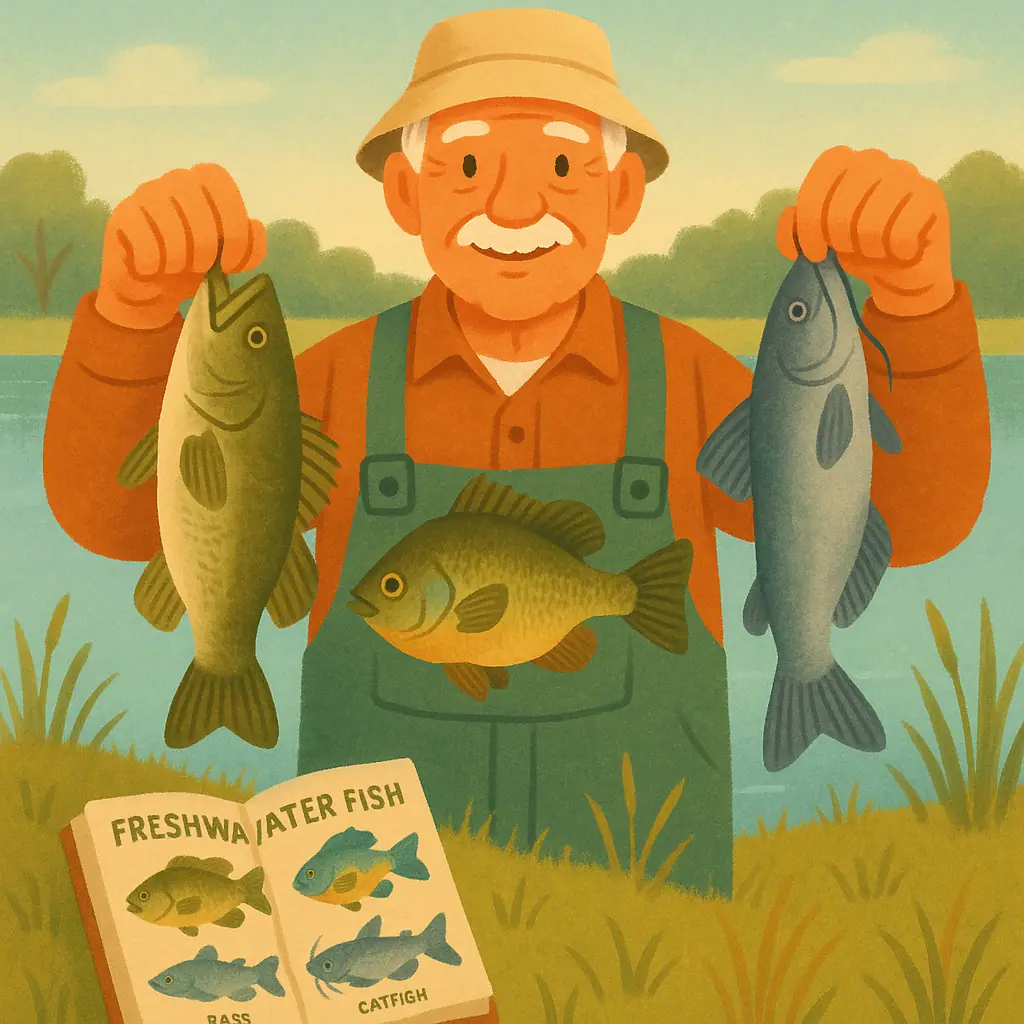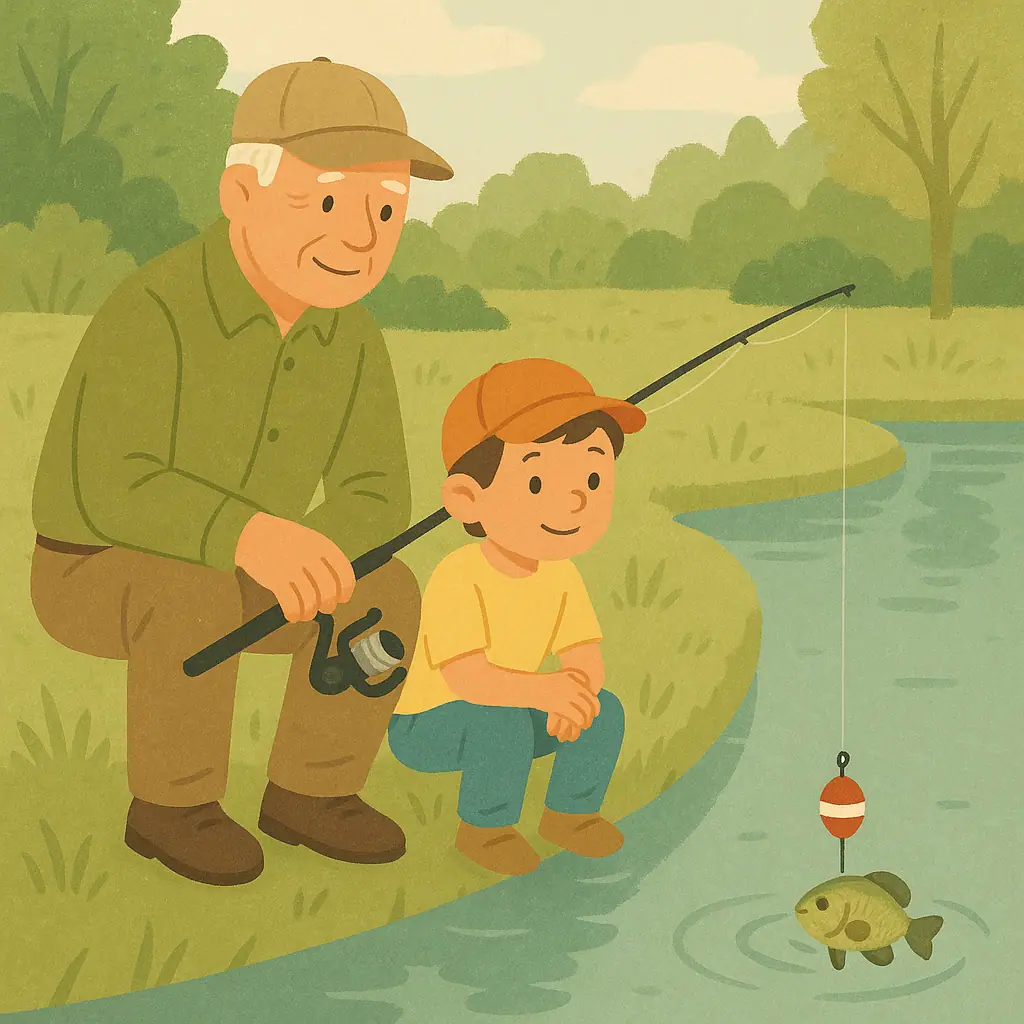
Common freshwater fish in ponds become much easier to understand when you stop trying to identify every fish in the lake and start with the few species beginners are most likely to meet from the bank. A small pond may hold bluegill, other sunfish, largemouth bass, catfish, crappie, carp, stocked trout, or a mix that changes by region and management.
This guide gives you a calm way to look at pond fish before you cast: body shape, mouth size, where the fish is holding, how it bites, and what simple bait or lure makes sense. You still need local rules, but you do not need expert vocabulary to make a smart first guess.
Why Common Freshwater Fish in Ponds Matters
Knowing the common freshwater fish in ponds helps you choose lighter tackle, safer handling, and better expectations. If you are catching tiny sunfish, a giant hook and heavy weight will feel clumsy. If you are seeing bass chase minnows near weeds, a small soft plastic or spinner may make more sense than bread under a bobber.
The U.S. Fish & Wildlife Service lists fishing as a public outdoor activity on its official fishing activity page, and the practical takeaway for beginners is simple: fishing opportunities are local, so rules and species can vary by water. Check your state agency or posted pond rules before keeping fish, using live bait, or assuming a species is legal to target.
Start With a Fish Species Guide Mindset
A useful fish species guide starts with patterns, not perfection. Ask three questions when you catch or see a fish: what is its body shape, where was it sitting, and how did it bite? Those clues often narrow the answer before color markings do.
If you want a broader primer on naming your catch, ReelHow's fish identification guide explains simple ways to compare fins, mouths, body shape, and markings without turning the moment into a science test.
Bluegill and other sunfish
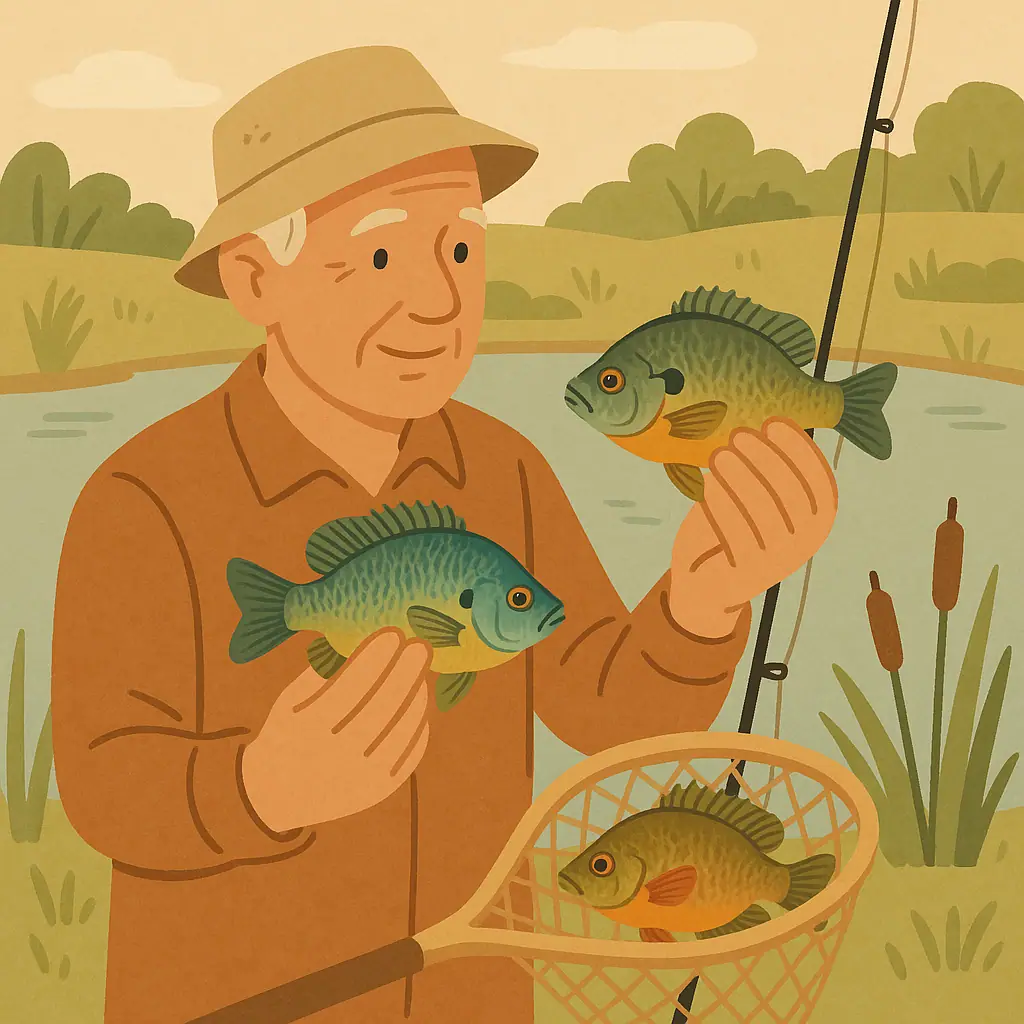
Bluegill and other sunfish are often the first pond fish beginners catch. They are usually rounder than bass, have small mouths, and peck quickly at worms, crickets, tiny jigs, and small pieces of bait. Their bites can feel like little taps instead of one strong pull.
Largemouth bass
Largemouth bass are shaped more like a predator. They have a bigger mouth, a longer body, and often hold near weeds, shade, wood, rocks, or drop-offs. Small bass may hit worms, spinners, soft plastics, and live bait, while larger bass often wait near cover for an easy meal.
Catfish, carp, crappie, and stocked trout
Catfish are easy to recognize by their whisker-like barbels and smooth-looking body. Carp are strong, thick fish that often feed near bottom and can muddy shallow water while rooting around. Crappie have a flatter body and a larger mouth than bluegill, while stocked trout may appear in cooler ponds or community waters where agencies release them seasonally.
Choose the Best Pond Bank Location
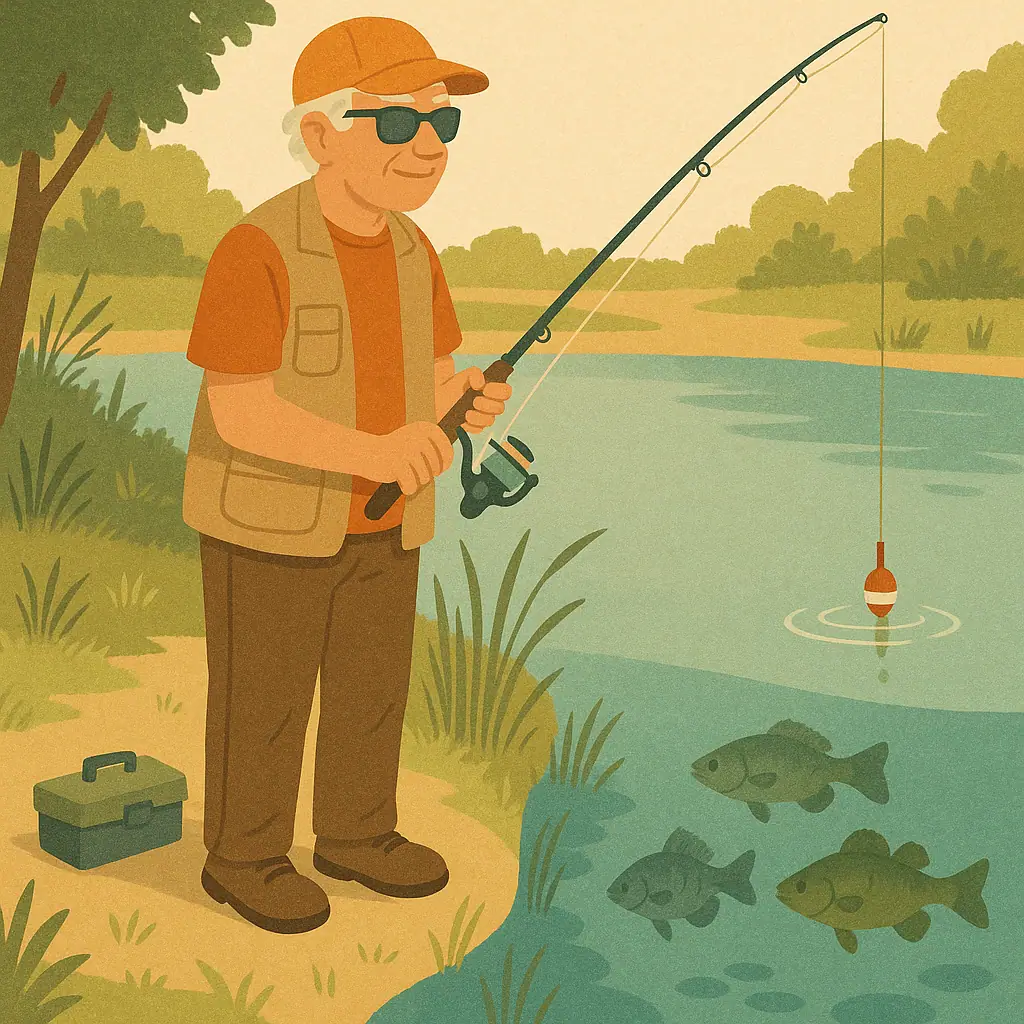
Most beginners do not need to cast to the middle of the pond. Many fish use the first few rod lengths of water when the bank has something useful nearby: shade, weeds, a dock, a tree, an inlet, a corner, or a quick drop into deeper water.
Start by walking slowly and watching before you cast. Look for small baitfish flicking near the surface, bluegill dimples under overhanging branches, bass cruising the weed edge, bubbles near bottom, or birds working one shoreline. These signs are not guarantees, but they help you choose a starting spot with a reason behind it.
For a fuller bank-fishing approach, the ReelHow guide to pond fishing tips for beginners walks through small-water locations, timing, and simple presentations in more detail.
Use Simple Gear That Works From Shore
A simple spinning rod is enough for most beginner pond fishing. A medium-light or medium spinning outfit with 6- to 10-pound line can handle bluegill, small bass, crappie, stocked trout, and many average pond catfish. If the pond has larger catfish or carp, bring a stronger setup for those fish instead of trying to force one light rod to do everything.
- Rod and reel: a spinning rod around 5.5 to 7 feet is easy to cast from the bank.
- Line: 6-pound line feels light and friendly for panfish and trout; 8- to 10-pound line gives more margin around weeds and small bass.
- Bobber rig: a small hook, split shot, and bobber make bites visible for bluegill, sunfish, crappie, and some stocked trout.
- Small lures: tiny jigs, small spinners, and simple soft plastics help you cover water when fish are active.
- Tools: bring pliers, polarized sunglasses, a small net, sunscreen, water, and a place to pack out trash.
Pick Baits for Pond Fish
Worms are the easiest starting bait for many common pond fish because bluegill, sunfish, catfish, bass, stocked trout, and even carp may investigate them. Use a small piece for panfish and a larger piece for catfish or bass. A bait that is too large often lets small fish steal the edges without getting hooked.
Bread or corn may catch carp, stocked trout, or other pond fish in some places, but do not assume they are allowed everywhere. Some waters restrict bait types, feeding, chumming, or harvest. Check the current local rules first, especially in managed ponds, parks, and trout waters.
Small jigs and soft plastics are useful when you want to fish around cover without constantly rebaiting. Cast near the weed edge, let the lure sink briefly, and retrieve slowly. If you feel taps without hookups, downsize the hook or lure before changing spots.
Fish the Right Times of Day
Morning and evening are friendly pond windows because the light is lower, banks are cooler, and many fish move shallower. On hot sunny afternoons, bluegill may stay near shade, bass may tuck into cover, and catfish or carp may feed closer to bottom.
Cloud cover, light wind, and a little surface ripple can help because fish may feel safer in shallow water. After heavy rain, some ponds get muddy or receive fresh flow near inlets. That can move fish around, so make small adjustments instead of assuming yesterday's best spot is still best today.
Pros and Cons of Pond Fish ID for Beginners
Makes tackle choices easier
When you can separate panfish, bass, catfish, carp, and trout, you can choose hook size, line, and bait with more confidence.
Improves fish handling
Different fish need different care, especially catfish with sharp spines, small panfish, and trout that should be handled gently.
Builds local knowledge
Each catch teaches you which species use weeds, shade, open water, bottom, or low-light feeding windows in that pond.
Young fish can look similar
Small sunfish, young bass, and mixed panfish can confuse beginners until they compare mouth size, body shape, and markings.
Local rules still decide what you can do
Correct identification does not replace checking seasons, size limits, bait rules, harvest rules, and pond-specific signs.
A Simple Checklist
- Shape check: is the fish round like a sunfish, long like a bass, whiskered like a catfish, or thick like a carp?
- Mouth check: small mouths usually need small hooks; big mouths can handle larger baits or lures.
- Location check: note whether the fish came from weeds, shade, bottom, open water, or a dock edge.
- Rule check: confirm license, bait, harvest, and water-specific rules before keeping fish.
- Handling check: wet your hands, use pliers when needed, avoid catfish spines, and release fish promptly if unsure.
When to Get Extra Help
Get extra help when you cannot identify a fish confidently, when a rule seems unclear, or when a pond has posted signs that differ from the general state guide. A local fish and wildlife office, park staff member, conservation officer, or reputable bait shop can often help with local species and current regulations.
The FWS fishing page is a good national starting point, but pond rules are usually state, local, or property-specific. If you are new to a water, take a clear photo of the fish, note where you caught it, and check a trusted local source before keeping anything.
Frequently Asked Questions
What is the easiest bait for pond bank fishing?
A small piece of worm under a bobber is the easiest starting point for many ponds. It catches bluegill, sunfish, and sometimes bass, catfish, stocked trout, or carp, but always check local bait rules.
Do I need a long cast from the bank?
Usually no. Many pond fish feed close to shade, weeds, docks, inlets, and bank edges, especially early, late, or on cloudy days.
What time should I fish a small pond?
Early morning and evening are good first choices. In warm weather, fish may use shade, deeper edges, or bottom areas during bright midday hours.
How do I avoid snagging from shore?
Cast along the edge of weeds and wood instead of straight into the thickest cover. Use smaller rigs, keep the retrieve slow, and move a few steps if every cast drags into the same snag.
Final Thoughts
Common freshwater fish in ponds are not a mystery once you slow down and look for repeatable clues. Start with body shape, mouth size, where the fish was holding, and how it bit. Then match your hook, bait, and handling to that likely species.
For your next pond trip, pick one safe bank, bring a simple bobber rig and one small lure, and write down what you catch. A few careful notes will teach you more about that local pond than guessing from the parking lot.